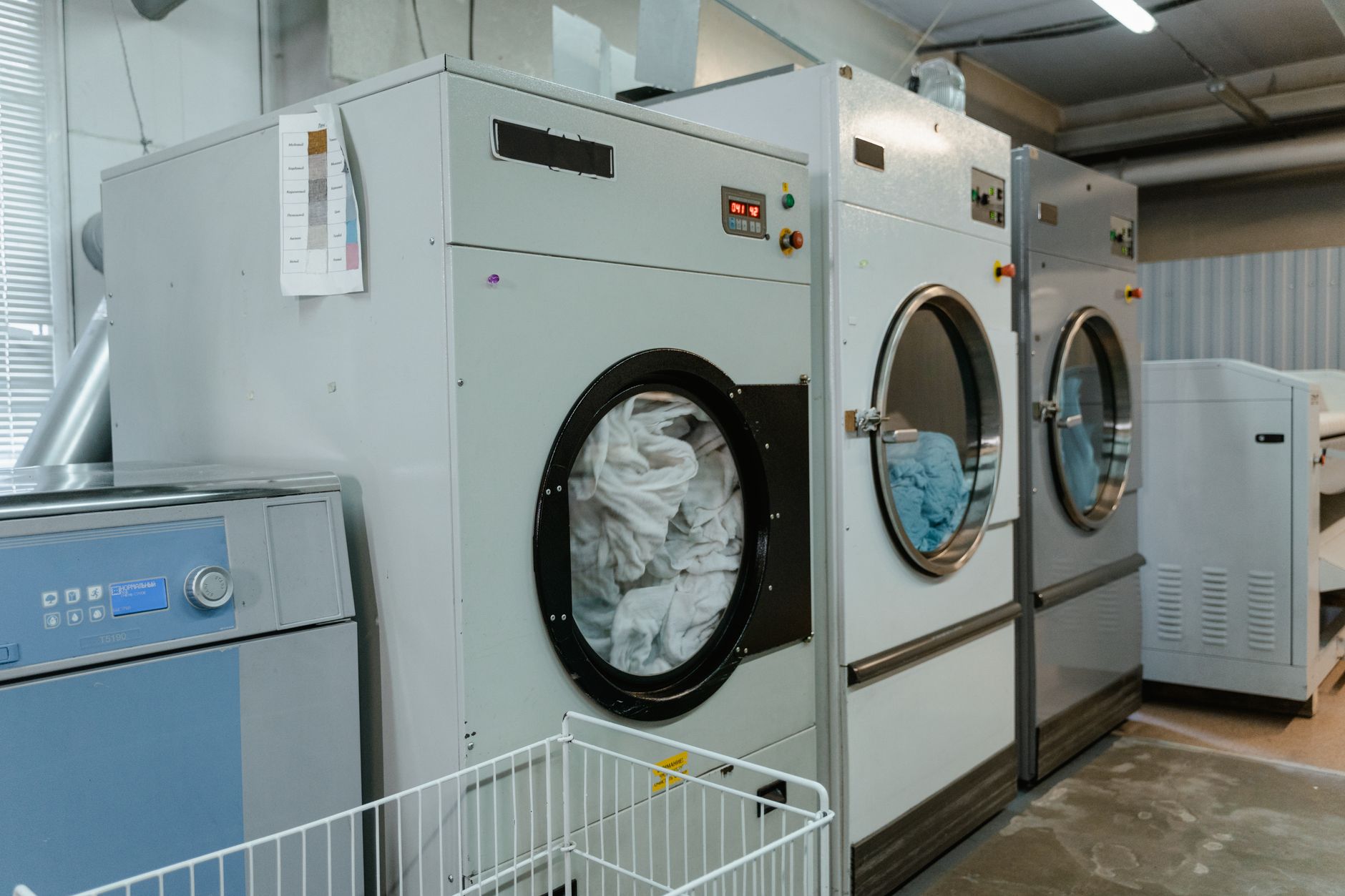
Tumble dryers are energy-intensive appliances that typically cost between $0.40 and $0.85 per cycle, depending on your local electricity rates and the dryer’s specific technology. While they provide unmatched convenience during wet weather, they are often the most expensive white goods to operate in a standard household over a ten-year lifespan.
⚡ In a Rush? Key Takeaways
- Heat pump dryers use 60-70% less energy than standard vented or condenser models.
- A standard vented dryer consumes roughly 4.5 kWh per full load of cotton laundry.
- Over a decade, an inefficient dryer can cost $800 more in electricity than a heat pump unit.
- High spin speeds on your washer reduce dryer energy usage by 10-15% per load.
- ✅ For most households, heat pump technology is the only cost-effective choice for 2026.
How Do Different Tumble Dryer Types Compare on Energy Use?
Heat pump dryers are the most efficient, using 1.5–2.5 kWh per cycle, while vented or condenser units often consume 4.0–6.0 kWh.
What makes heat pump dryers more efficient?
Heat pumps recycle warm air within a closed loop system, drastically reducing the energy needed to evaporate water from your clothing.
Unlike traditional dryers that constantly heat cold air and vent it out, heat pumps maintain a lower, consistent temperature. This protects fabrics from heat damage and prevents massive energy wastage.
- Consumes significantly less electricity per cycle.
- Gentler on delicate fabrics due to lower heat levels.
- Requires a longer drying time compared to vented units.
Why are vented tumble dryers still in use?
Vented dryers are inexpensive to purchase and dry clothes very quickly, but they require an external exhaust port to remove air.
They are the simplest technology available, heating air via an electric element and pushing moisture outside. While efficient in terms of cycle time, their total energy cost over time is significantly higher than modern alternatives.
How do condenser tumble dryers work and where do they fit?
Condenser dryers remove moisture by cooling warm air inside the machine, collecting water in a tank that must be emptied, offering a vent‑free option with moderate energy use.
Instead of expelling hot, humid air through a duct, a condenser dryer passes the air through a heat exchanger where the moisture condenses into water. The collected water sits in a removable container that needs periodic emptying, or some models can drain directly via a hose.
Energy consumption sits between vented and heat pump models—typically 3.0–4.5 kWh per full cotton load—making them cheaper to run than vented units but more costly than heat pumps. They are popular in apartments or homes where installing an external vent is impractical.
Is There a Cheaper Alternative to Using a Tumble Dryer?
Heated airers and high-speed spin cycles offer the most effective ways to lower drying costs without sacrificing drying time.
How much energy does a heated clothes airer consume?
Quality heated airers typically draw only 230 watts, costing roughly $0.03 to $0.05 per hour to operate continuously.
For small households or those with extra space, an airer is an exceptional energy efficiency choice. You can often dry a full load for a fraction of the cost of a mechanical dryer.
- Low upfront investment compared to premium dryers.
- Extremely low operating costs for year-round use.
- Can be folded away when laundry cycles are complete.
Does a faster spin speed really reduce drying costs?
Increasing your washer spin speed to 1,600 RPM extracts more water, reducing the energy your dryer needs to finish the load.
This simple adjustment is a vital part of appliance intelligence. Removing an extra 10% of water at the washer stage saves significantly more in dryer electricity than it takes to spin the drum harder.
What Is the Real Ten-Year Cost of Owning a Tumble Dryer?
The ten-year cost includes the purchase price plus the cumulative electricity bill, which often exceeds the cost of the machine.
How do repair costs impact the long-term investment?
Reliable brands reduce long-term costs by avoiding expensive heating element replacements or sensor failures common in budget units.
I always check home maintenance reports before recommending a model. A dryer that lasts 14 years is almost always cheaper than two units that break at year six.
| Dryer Type | Purchase Price | 10yr Electricity Cost |
|---|---|---|
| Vented | $400 | $1,200 |
| Heat Pump | $800 | $400 |
Are there hidden costs in dryer maintenance?
Cleaning lint filters and heat exchangers is mandatory; failing to do so forces the machine to work harder and use more energy.
Blocked filters are the number one cause of extended drying times and excessive electricity usage. Always clear the trap after every single load to keep efficiency ratings accurate.
Frequently Asked Questions
Is it better to leave clothes to air dry?
Air drying is always the cheapest method, costing nothing in electricity while significantly extending the lifespan of your clothes.
Can I use a dryer in a small apartment?
Yes, heat pump dryers are ideal for small spaces because they do not require external venting and produce minimal humidity.
How often should I clean the dryer vent?
If using a vented dryer, clean the exhaust hose at least once a year to prevent fire hazards and improve drying efficiency.
Ultimately, the right choice for your home depends on your usage frequency. If you rely on a dryer daily, the initial premium of a heat pump model pays for itself within three to four years through lower utility bills. For those who can dry outdoors or use heated airers for most loads, a standard unit might suffice, but the efficiency gains of modern technology are hard to ignore in 2026.
— Greta Michaud, Home Appliance Efficiency Researcher