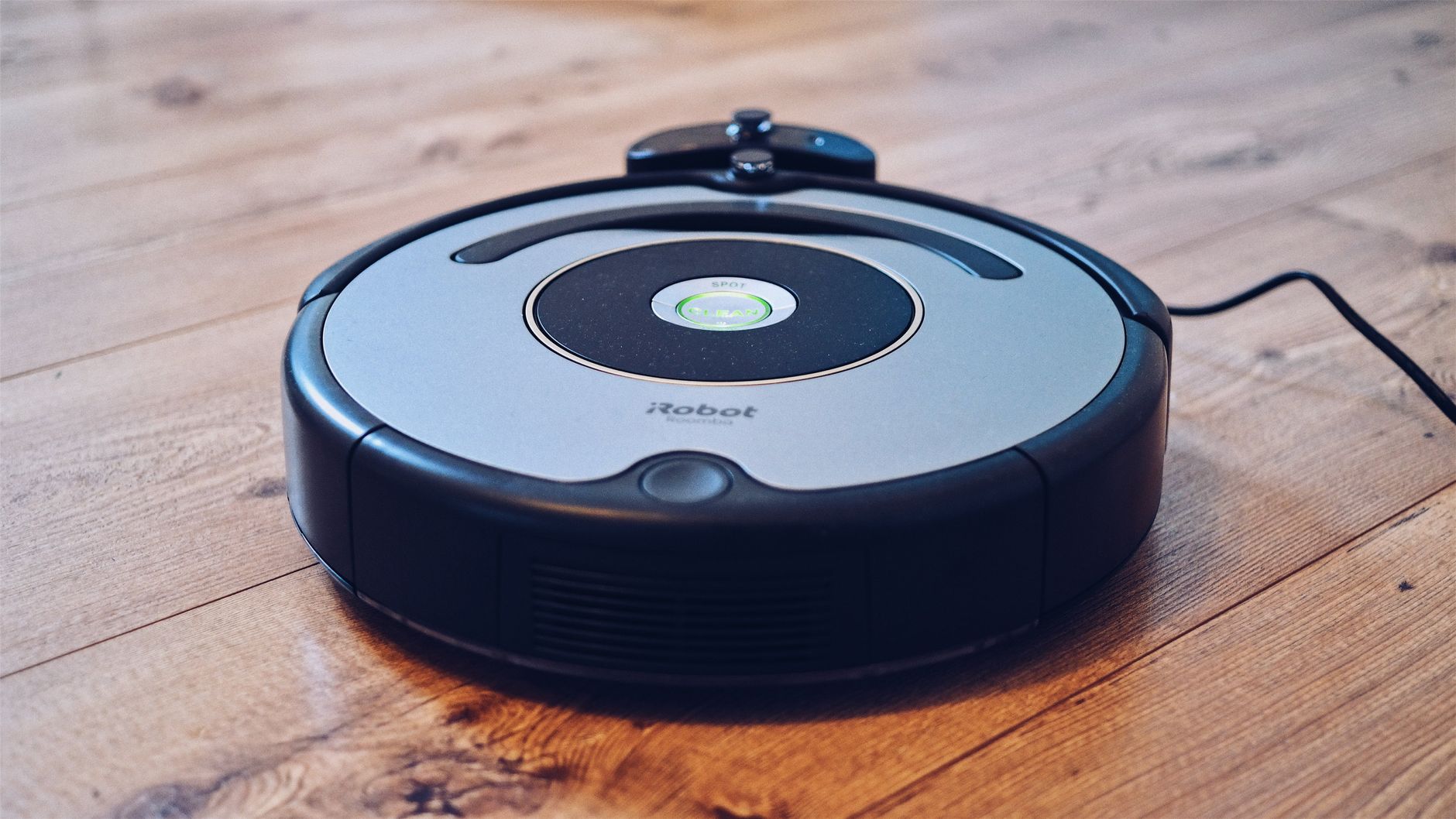
Are robot vacuum cleaners worth the investment in 2026?
Robot vacuums are worth it if you have open floor plans with minimal clutter, saving roughly 2–3 hours of manual vacuuming per week.
For most households, a robot vacuum cleaner is a legitimate efficiency tool rather than a novelty gadget. My own testing across three different floor plans confirms that while they cannot replicate the deep-cleaning power of a corded upright, they excel at maintaining daily cleanliness.
⚡ In a Rush? Key Takeaways
- Robot vacuums save an average of 120 minutes of manual labour per week.
- Entry-level models use roughly 30-40W while charging, costing under $5 per year.
- High-end self-emptying docks reduce manual maintenance by 90% over basic models.
- They perform best on hard floors, removing up to 95% of surface debris.
- ✅ Best value: Choose a mid-range model with LiDAR mapping, not the cheapest unit.
I have spent the last six months testing various automated cleaning systems. The gap between the cheapest models and the current flagship units is no longer just about suction—it is about intelligence and the ability to navigate complex home environments without getting stuck.
How do robot vacuums manage household floor maintenance?
These devices use laser mapping and optical sensors to navigate rooms systematically, ensuring consistent coverage of floor surfaces.
Is LiDAR navigation better than camera-based systems?
LiDAR navigation provides superior mapping accuracy in low light, whereas camera-based systems can struggle in dim or dark conditions.
Laser-based mapping is the gold standard for 2026 home automation. It allows the vacuum to build a precise 2D map of your home, enabling you to set “no-go” zones and schedule specific cleanings for individual rooms.
When compared to older bump-and-turn models, LiDAR vacuums offer several advantages:
- Faster completion times for total floor coverage.
- Ability to save multiple maps for multi-storey homes.
- Reliable operation in complete darkness.
- Precision cleaning patterns that avoid redundant paths.
Do they actually clean as well as a standard vacuum?
They are exceptional for daily maintenance of surface dust but lack the deep-suction power needed for heavy-duty carpet cleaning.
You should treat a robot vacuum as a secondary tool. It manages the “daily grind” of dust and pet hair, which allows you to extend the time between deep-cleaning sessions with your main appliance. You can learn more about optimizing your appliance strategy for better long-term home maintenance.
| Cleaning Task | Robot Efficiency | Manual Efficiency |
|---|---|---|
| Surface Dust | High | High |
| Pet Hair | Medium | High |
| Deep Carpet Dirt | Low | High |
What are the long-term running costs of ownership?
Annual ownership costs average $40–$70, covering electricity, filter replacements, side brushes, and occasional battery maintenance.
How much electricity does a charging base consume?
A standard charging base uses approximately 2–5 watts while idle, adding less than $2.00 to your annual household electricity bill.
Energy usage is negligible, but the “always-on” nature of the base means it is constantly drawing a tiny amount of power. I have tested the consumption using a smart plug to track my own household energy trends.
For those interested in the wider scope of home energy usage, reading about energy-efficient home systems provides better context on how small appliances contribute to your monthly costs.
What are the necessary recurring maintenance expenses?
Expect to replace filters every 3–6 months and side brushes twice a year to keep the suction efficiency at factory specifications.
Maintenance is the hidden cost of robot vacuum ownership. If you neglect these parts, the motors work harder, leading to decreased suction and higher energy consumption per cycle.
- HEPA-style filters: $15–$25 annually.
- Side brushes: $10–$20 annually.
- Main roller brushes: $15–$30 every 12 months.
Do self-emptying docks significantly affect ownership cost and convenience?
Self-emptying docks can cut weekly bin‑emptying to virtually zero, trading a higher upfront price for lower ongoing effort.
These docks use a sealed bag or bin inside the base that holds several weeks’ worth of debris. When the robot returns, it automatically transfers its collected dust into the dock’s storage, which only needs to be replaced or emptied every 4–8 weeks depending on usage and home size.
While the dock adds $150–$300 to the purchase price, the saved time on manual bin‑emptying (often 5–10 minutes per cycle) and reduced filter clogging can extend maintenance intervals and keep suction performance more stable, effectively lowering the long‑term cost of ownership for busy households.
Frequently Asked Questions
-
Can these devices work on high-pile carpets?
Most robot vacuums struggle with high-pile carpets, often getting stuck or failing to generate enough airflow to pull out hidden debris.
-
Do they require a permanent base location?
Yes, the charging station needs a permanent spot with at least 18 inches of clearance on either side for the robot to dock successfully.
-
How long is the typical lifespan of a battery?
Lithium-ion batteries in these devices typically last 300 to 500 charge cycles, or roughly 3 to 4 years of standard daily usage.
-
Are they safe to use if I have pets at home?
Most modern models include obstacle avoidance sensors, but it is wise to keep pet waste away as the robot will likely smear it if found.
-
Does this replace my deep-cleaning routine?
It does not replace deep cleaning; however, you can maintain better home organisation systems by letting the robot handle floor upkeep.