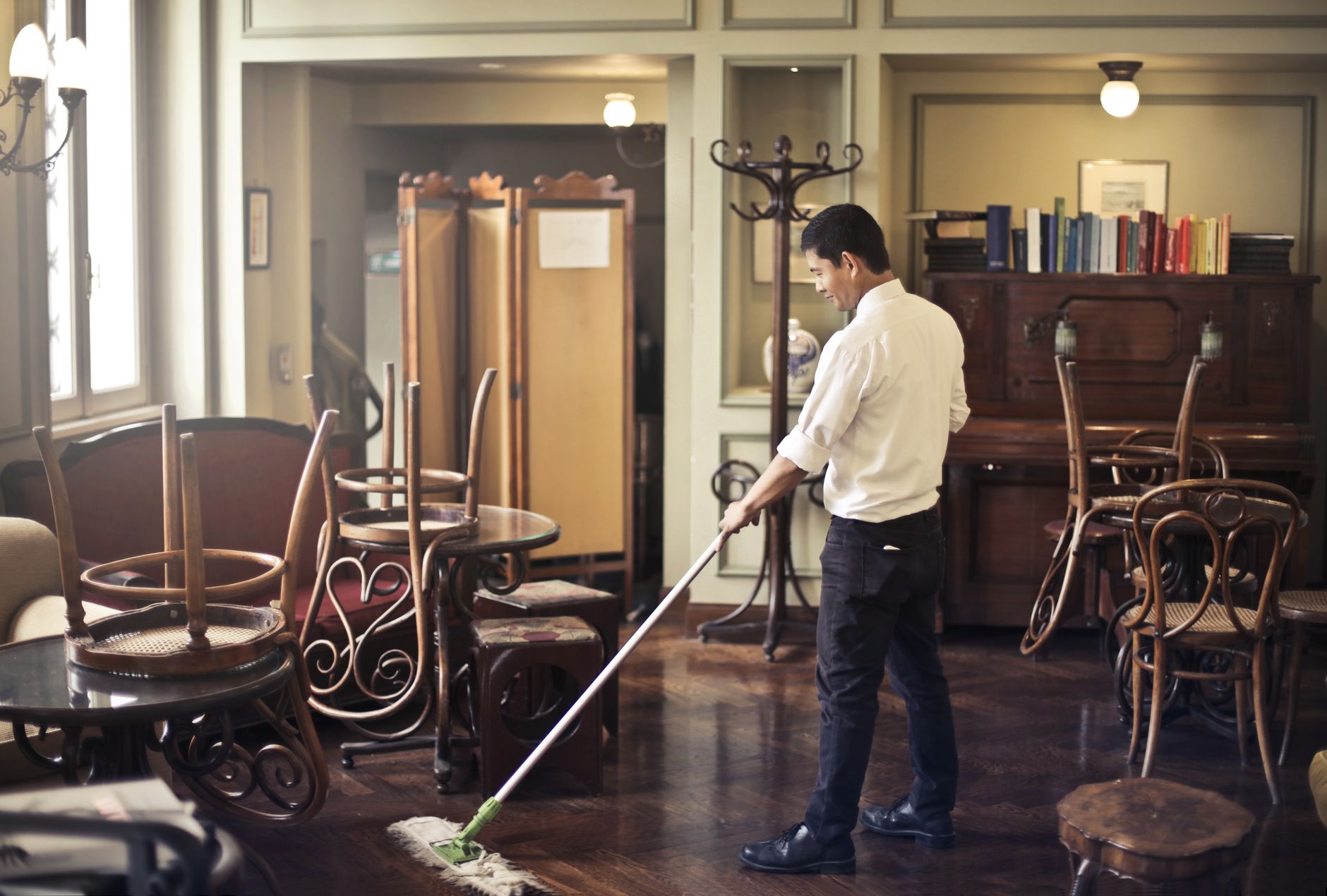
Steam mops are highly effective for sanitizing sealed hard floors without harsh chemicals, using only water heated to high temperatures to lift stubborn grime. While they offer a significant upgrade in convenience compared to a traditional bucket and mop, their value depends heavily on your specific flooring type and cleaning frequency.
⚡ In a Rush? Key Takeaways
- Steam mops use roughly 1,200 to 1,500 watts per hour during active operation.
- High-temperature steam kills 99.9% of common household bacteria without chemical cleaners.
- They save time by eliminating the need to haul heavy water buckets around the house.
- ✅ Best for: Sealed laminate, tile, and vinyl floors in high-traffic family homes.
Which Floor Types Benefit From Steam Mop Cleaning?
Steam mops are ideal for sealed hardwood, porcelain tile, and luxury vinyl plank, but they can ruin unsealed wood and aged linoleum.
Is a steam mop safe for sealed hardwood floors?
Sealed hardwood is safe for steam mops if the seal is intact, but excessive moisture can penetrate joints and cause permanent warping.
When I tested a steam mop on my oak flooring, I kept the setting on low. The key is ensuring the floor finish is in excellent condition. If you see water beading on the surface, your seal is doing its job, but if it soaks in, avoid the steam.
- Ensure the floor is fully swept or vacuumed first to avoid dragging grit.
- Use a microfiber pad that absorbs excess moisture instantly.
- Keep the mop moving constantly to prevent localized heat damage.
Can you use a steam mop on laminate or vinyl flooring?
Steam mops are generally effective on high-quality laminate and vinyl, provided they feature a factory-applied wear layer and tight seams.
Laminate is particularly sensitive to water damage. If your laminate has visible gaps or chips, skip the steam mop entirely, as the vapour will find its way into the fiberboard core and cause swelling.
Why should you avoid steam mops on unsealed stone or wax?
Unsealed natural stone and wax finishes are highly porous and will absorb water and heat, leading to staining, cracking, or surface dulling.
Natural stone like slate or unsealed travertine acts like a sponge. High-pressure steam will force dirt deeper into the stone pores rather than cleaning it away.
How Much Does It Cost to Run a Steam Mop?
A steam mop consumes 1.2–1.5 kWh per hour, costing approximately $0.20–$0.30 per hour depending on your local utility electricity rates.
Are steam mops more energy efficient than vacuuming?
Steam mops use more energy per minute than most cordless vacuums, but they clean a floor in a fraction of the time required for wet mopping.
While the power draw is higher, the efficiency comes from the speed of the job. You are not buying cleaning solutions, which is a major long-term cost saving strategy for any household.
What is the hidden cost of replacement pads and filters?
Manufacturer-specific steam mop pads cost $10–$20 per pair, while universal filters need changing every 3–6 months at $15 per unit on average.
Always factor these into your home maintenance budget. If you choose a model with machine-washable pads, you can avoid the recurring costs of disposable options entirely.
Do steam mops require expensive distilled water?
Many steam mop brands require distilled water to prevent mineral buildup in the heating element, which can clog internal nozzles over time.
Using tap water in hard water areas will shorten the life of your mop. I keep a gallon of distilled water under the sink specifically for this task to protect my floor care investments.
Can you clean grout with a steam mop?
Steam mops can loosen and remove light surface grime from grout, but deep‑set stains usually require a dedicated grout brush or higher‑pressure steam cleaner.
When steam is applied to grout, the heat and moisture soften dirt and mildew, making it easier to wipe away with the mop’s microfiber pad. However, the narrow width of grout lines means the mop head often bridges over them, delivering less direct contact than a handheld steam nozzle or brush attachment.
For best results, pre‑sweep the area, use a mop model that offers a narrow nozzle or grout‑cleaning attachment, and go over each line slowly, allowing the steam to penetrate for a few seconds before wiping. If the grout is heavily stained or moldy, a paste of baking soda and water applied before steaming can improve outcomes.
Frequently Asked Questions
-
How often should I clean the steam mop pads?
Wash your steam mop microfiber pads after every single use to prevent bacteria growth and ensure the mop slides easily across your floors.
-
Does a steam mop remove stains better than a spray mop?
Steam mops loosen dried‑on sticky stains far better than spray mops because the heat softens the debris, allowing for an easier wipe‑away.
-
Is a steam mop enough to disinfect a floor after pets?
Steam mops are highly effective at sanitizing pet‑tracked bacteria, but they are not a substitute for heavy‑duty enzymatic cleaners for accidents.
-
How long do steam mops typically last?
A well‑maintained steam mop from a reputable brand will typically last five to seven years with regular cleaning and proper water usage.