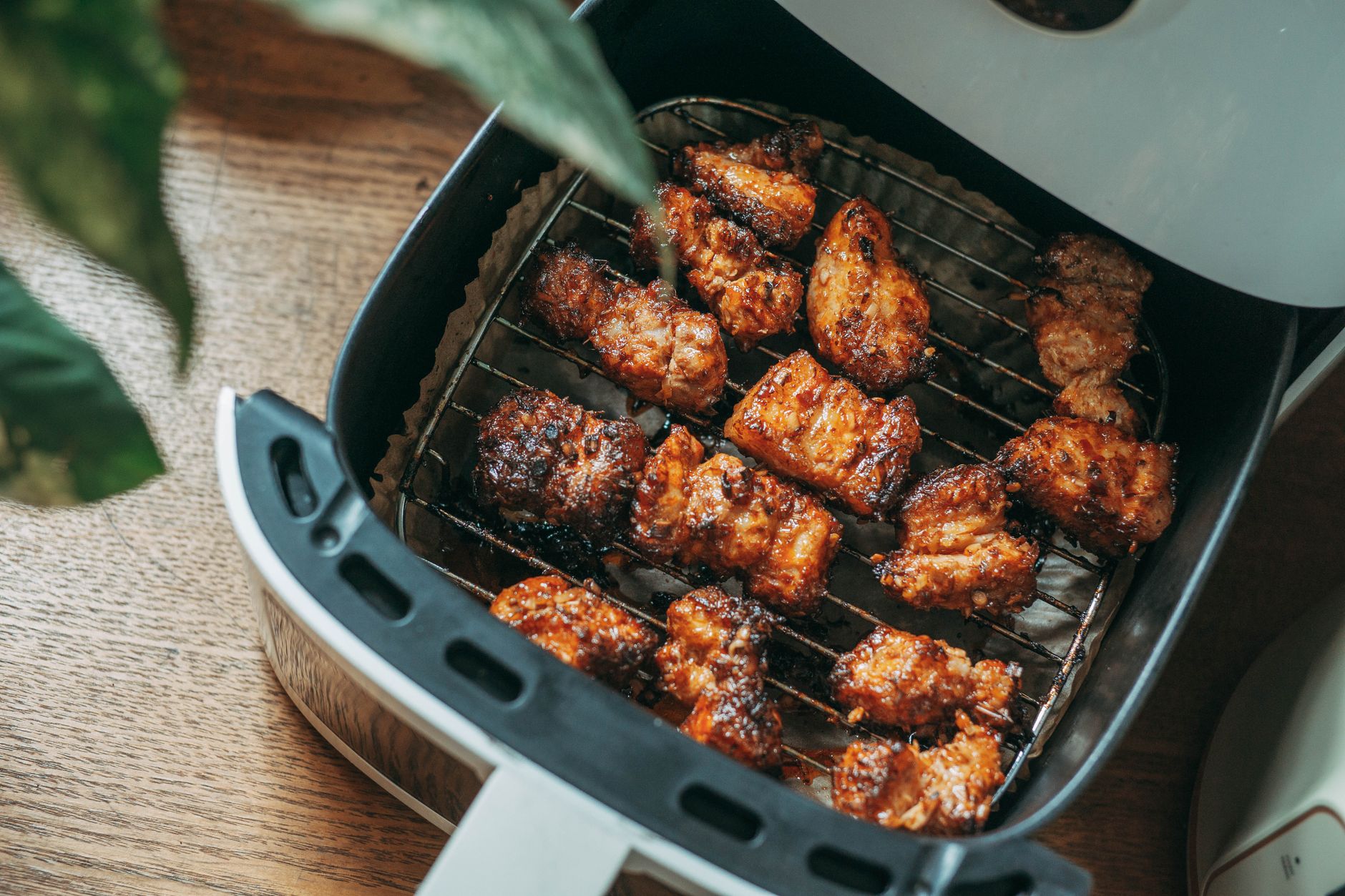
Air fryers are efficient countertop convection ovens that use a high-speed fan to circulate hot air, resulting in faster cooking times and crispier textures than traditional ovens for many foods. By concentrating heat in a smaller chamber, they often consume less energy per batch than a conventional oven, provided the food fits comfortably without overcrowding.
⚡ In a Rush? Key Takeaways
- Standard air fryers draw 1.2–1.8 kWh per hour during active cooking cycles.
- Switching to air fryers can reduce daily cooking energy use by up to 30% for singles.
- A typical 6-quart model handles meals for 2–4 people comfortably without overcrowding.
- ✅ For most households, a mid-sized air fryer offers the best energy-to-output value.
What Are the Real Running Costs of Air Fryers in 2026?
Running an air fryer costs roughly $0.20 to $0.35 per hour based on US national electricity averages, significantly less than full-sized ovens.
How Do Air Fryers Compare to Conventional Ovens?
An air fryer uses roughly 40% less energy than a standard electric oven because it requires no preheating and has a much smaller interior.
The efficiency of an air fryer is largely due to its volume. A full-sized oven must heat a large cavity and a heavy metal door, which represents a massive energy waste when cooking a single chicken breast or a small tray of vegetables.
In contrast, an air fryer reaches operating temperature almost instantly. Because the heating element is placed mere inches from the food, the convective heat transfer is much more direct and effective.
Can You Really Save Money on Your Monthly Utility Bill?
Frequent users can save $40–$60 annually by shifting oven-based cooking tasks to an air fryer, provided they avoid constant preheating.
While the savings seem modest on a per-meal basis, they accumulate over a full year of operation. If you currently rely on an electric oven for quick weeknight meals, the transition represents a clear downward trend in your home energy usage.
- Eliminate 15-minute oven preheating cycles entirely.
- Reduce cooling demand by not heating up the entire kitchen.
- Cook smaller batches faster to lower total electricity draw.
Which Air Fryer Features Actually Impact Performance?
The most impactful features are basket volume, air circulation velocity, and the presence of a digital temperature control interface.
Does Basket Capacity Change Your Cooking Workflow?
A 6-quart capacity is the current efficiency sweet spot, allowing for proper air circulation without needing to cook in multiple small batches.
Overcrowding is the most common mistake new users make. If the basket is packed too tightly, the air cannot reach the bottom of the food, turning a crisp result into a steamed one.
I recommend choosing a unit with a slightly larger capacity than you think you need. Having extra space ensures the food has room for the hot air to pass through, which is essential for that signature “fried” texture.
Why Is Digital Control Better Than Manual Dials?
Digital displays provide precise 5-degree temperature control, which prevents the burning often seen with inaccurate mechanical dial timers.
Precision is key when you are experimenting with different proteins and vegetables. If you are learning how to manage your kitchen workflow, digital presets remove the guesswork from timing and heat management.
Health and Nutritional Considerations
Air fryers can reduce added oil and lower acrylamide formation compared to deep frying, though cooking temperature and time still affect nutrient retention.
Because air fryers rely on hot air rather than submerging food in oil, they typically require only a teaspoon of oil or none at all for many foods, cutting fat calories by up to 80% versus traditional deep‑fried preparations.
Studies show that air‑fried potatoes produce significantly less acrylamide—a potential carcinogen formed during high‑heat starch cooking—than deep‑fried counterparts, especially when temperatures are kept below 375°F and cooking times are limited.
Is It Time to Get Rid of Your Air Fryer?
People typically discard air fryers when they realize the basket size is too small for their family or when cleaning becomes too difficult.
What Are the Most Common Reasons for Appliance Discarding?
Most air fryers end up in storage because users find the basket difficult to scrub or the footprint too large for small kitchen counters.
The maintenance aspect cannot be ignored. A non-stick coating that degrades quickly leads to food sticking, which makes the cleaning process frustrating enough to discourage use.
If you do purchase one, treat it like your best cookware. Avoid metal utensils and harsh scouring pads to preserve the life of the basket and ensure you get your full appliance ROI.
Are There Known Reliability Issues With Current Models?
Current US models face rare but notable recalls regarding heating elements; always check the CPSC database before buying older stock.
Frequently Asked Questions
-
What is the best air fryer in the USA?
Models from brands like Cosori and Ninja consistently top performance rankings for their balanced air circulation and longevity.
-
Are any air fryers made in the United States?
Almost all air fryers available in the US are manufactured in Asia, though some brands provide engineering and assembly oversight domestically.
-
What should I look for when buying an air fryer?
Prioritize a model with at least a 5-quart capacity, dishwasher-safe basket parts, and a wide temperature range of 170°F to 400°F.