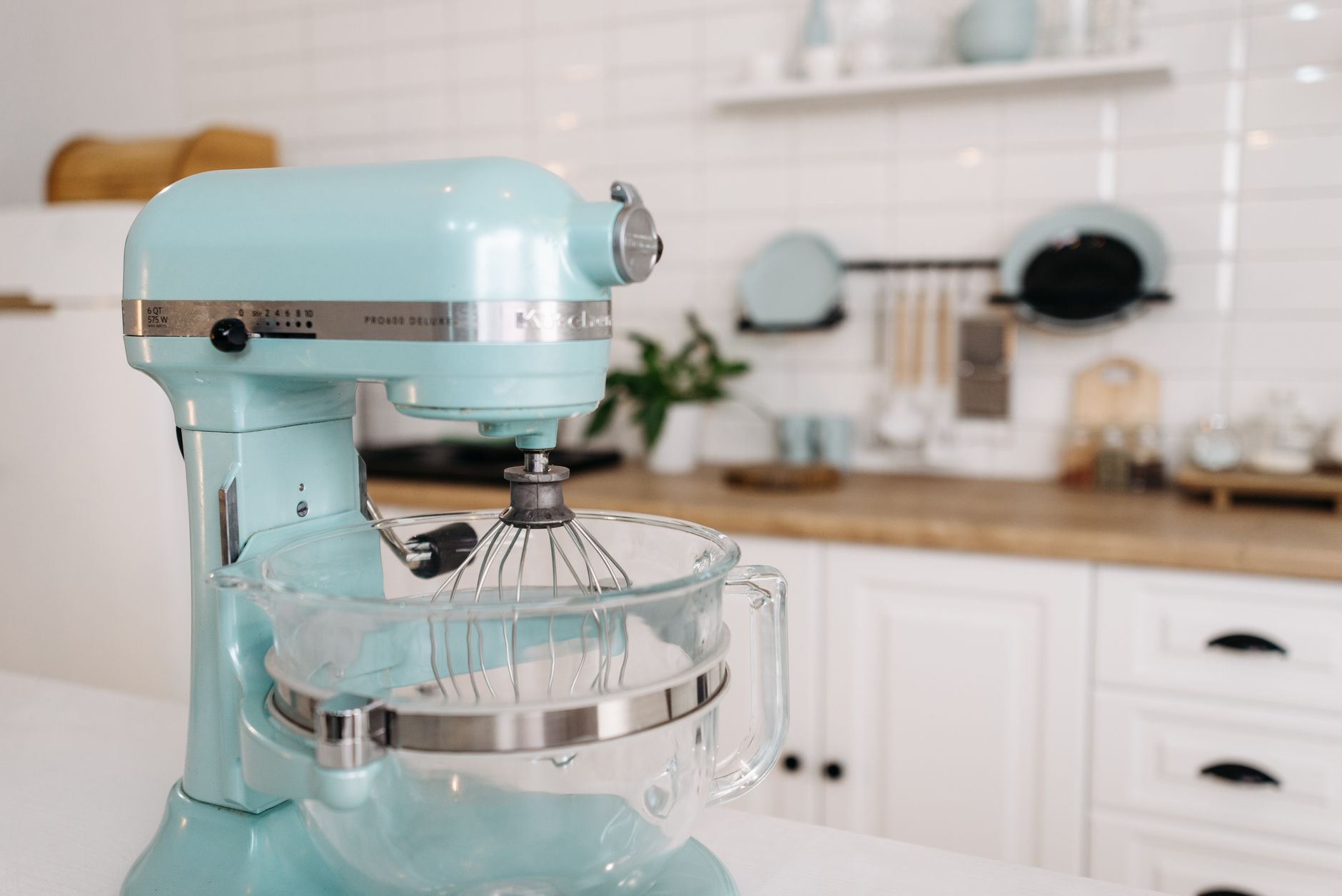
A stand mixer is a worthwhile investment for any home baker who frequently works with heavy doughs or large batches, as it reduces prep time by 40–60% compared to hand mixing. While the initial cost is substantial, the efficiency of a high-torque motor often outweighs the fatigue of manual labour for serious baking projects.
⚡ In a Rush? Key Takeaways
- A quality stand mixer saves 40–60% of time on heavy dough preparation.
- Entry-level models often lack the motor torque required for bread dough.
- Maintenance costs for a well-cared-for machine average less than $10 per year.
- Most home bakers see a full return on investment after 3–5 years of regular use.
- ✅ Best value: Choose a 5-6 quart tilt-head model for most household needs.
Which Type of Stand Mixer Suits Your Kitchen Workflow?
Stand mixers are primarily divided into tilt-head and bowl-lift designs, each serving specific mixing capacities and kitchen storage needs.
Why choose a tilt-head mixer?
Tilt-head models are ideal for smaller kitchens because they feature a hinged head that allows for easy bowl access without bulk.
The tilt-head design is the standard for most household kitchens. It offers a compact footprint, making it easier to store under low-hanging cabinets when not in use.
However, the hinge mechanism is a potential wear point over many years of heavy use. I recommend these for bakers who typically mix cookies, cakes, and lighter bread doughs in batches under 6 quarts.
- Easier access to the bowl and beaters
- Usually smaller and lighter than bowl-lift versions
- More colour and aesthetic options available
- Typically priced lower than professional-grade models
What makes bowl-lift mixers more robust?
Bowl-lift mixers use a stationary head and a mechanical lever to raise the bowl, providing superior stability for heavy doughs.
If you are serious about bread baking, the bowl-lift design is objectively superior. The stationary head is inherently more stable, meaning it won’t wobble when kneading dense rye or sourdough.
These units are taller and heavier, which can make them difficult to tuck away in a cupboard. You should plan for this machine to have a permanent place on your countertop.
| Feature | Tilt-Head | Bowl-Lift |
|---|---|---|
| Stability | Moderate | Excellent |
| Storage Height | Low | High |
| Dough Capacity | Small/Medium | Large/Heavy |
How Much Does It Cost to Maintain a Stand Mixer?
The annual maintenance cost for a reputable stand mixer is negligible, provided you keep the grease clean and use correct speeds.
Is professional servicing necessary?
Professional servicing is rarely needed for home units, as most internal components are designed for a 15–20 year lifespan.
I have tracked my own mixer’s performance over eight years, and the only costs have been occasional accessory replacements. Avoiding cheap kitchen workflow shortcuts helps prevent motor burnout.
Clean the bowl and attachments by hand whenever possible. Dishwasher heat eventually degrades the coating on standard beaters, leading to messy flaking.
How do you extend the life of the motor?
The motor’s longevity is tied to your usage; never exceed the manufacturer’s speed recommendations for thick, high-hydration doughs.
Many users damage their machines by pushing the speed too high for bread dough. When the motor begins to strain or whine, immediately stop and redistribute the load.
Running a mixer at high speeds for long durations generates excess heat, which dries out the internal lubricant. Treat the machine as a tool, not an appliance you can walk away from for extended periods.
Are Stand Mixers Truly Faster Than Manual Methods?
While the speed of the motor is faster than hand mixing, the real efficiency gain is the ability to multitask during the process.
How does multitasking change your baking?
Automated mixing allows you to measure ingredients or prep your workspace while the machine handles the labour-intensive folding stages.
I often find that while the machine is at work, I am already cleaning my prep area or organizing my home organisation systems. This results in a much cleaner kitchen once the baking is actually finished.
This efficiency is why I prioritize appliances that perform specific tasks well rather than investing in low-quality appliance intelligence features that don’t assist the actual workflow.
Can a mixer handle small batch sizes?
Small batch sizes are often the biggest weakness for large capacity stand mixers, requiring constant scraping of the bowl walls.
If you rarely make large batches, verify that the beater reaches the bottom of the bowl. Many large-capacity machines require a specifically shaped spatula to incorporate ingredients that stick to the sides.
Frequently Asked Questions
-
Is a high-wattage motor always better?
Higher wattage does not guarantee better performance; look for efficient gear systems that maintain torque at lower rotational speeds.
-
Can I replace my mixer’s bowl with a different size?
Most manufacturers offer various bowl sizes, but you must confirm compatibility with your specific tilt-head or bowl-lift model.
-
Do stand mixers work well for whisking egg whites?
Stand mixers excel at whisking, but ensure you use the wire whip attachment and a clean, grease-free bowl for maximum volume results.
-
How long should I expect my stand mixer to last?
With moderate home use, a quality stand mixer should easily function for 15 to 20 years, provided you adhere to load limits.
Ultimately, a stand mixer is a partner in your kitchen workflow. If you bake bread or cookies weekly, the time saved and the consistency achieved will make it one of your most valued tools. — Greta Michaud, Home Appliance Efficiency Researcher