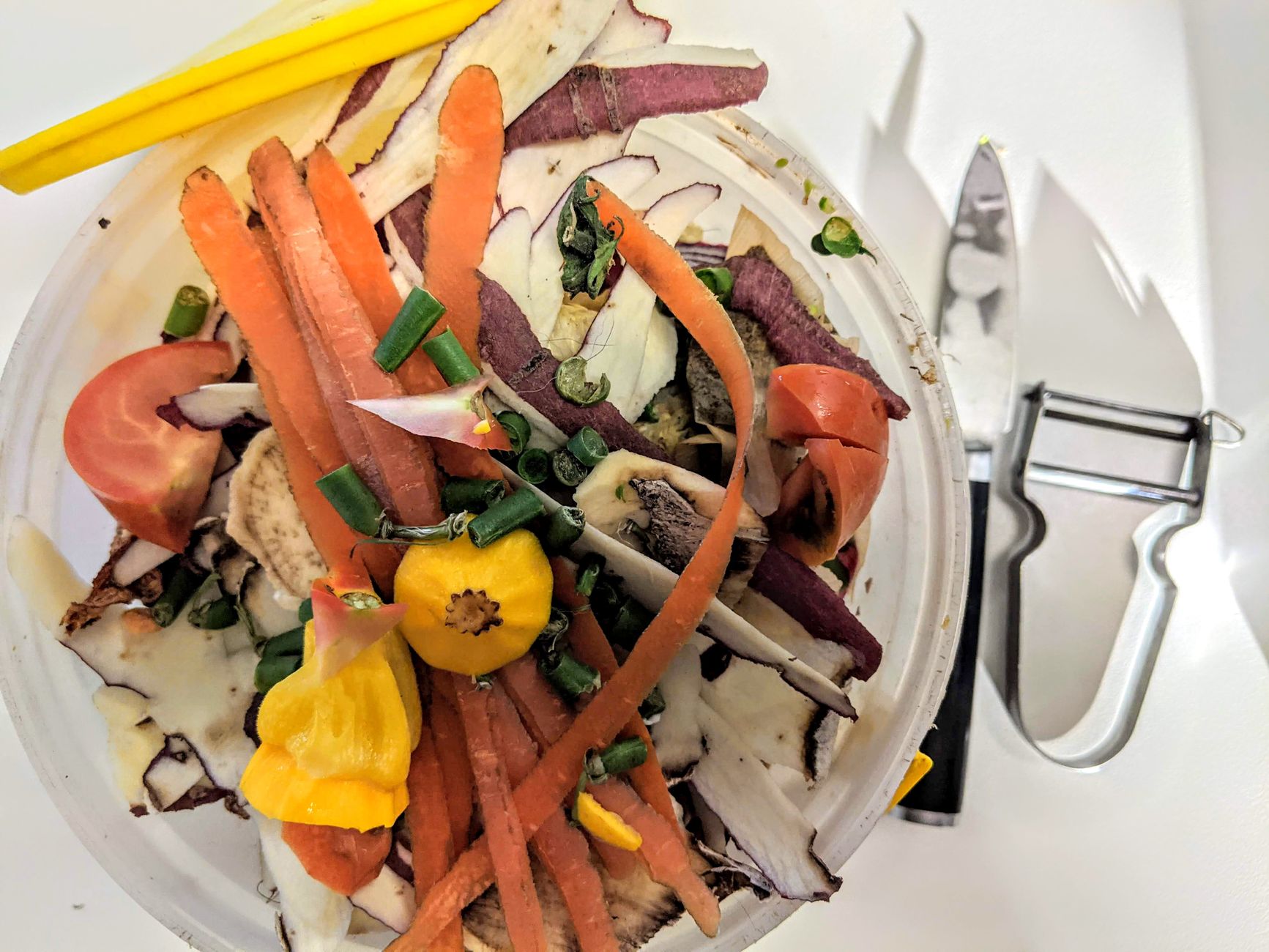
A kitchen compost bin is a dedicated container designed to collect organic food scraps for later transfer to an outdoor pile or municipal collection service. Choosing the right vessel involves balancing daily kitchen traffic with the inevitable realities of odour and fruit fly management.
⚡ In a Rush? Key Takeaways
- Standard kitchen compost bins range from 2 to 5 litres in capacity for daily use.
- Activated carbon filters neutralise 90% of odours if replaced every 3 months.
- Ceramic and stainless steel containers are significantly easier to sanitise than plastic.
- ✅ Best performance: stainless steel with a replaceable carbon filter lid.
How Do You Select the Right Capacity for Your Kitchen?
Select a bin sized to hold two days of scraps to ensure you empty it before decomposition causes strong odours or attracts pests.
Does a Larger Bin Mean Less Frequent Emptying?
Larger bins reduce trips to the outdoor pile but increase the risk of anaerobic breakdown, which creates stronger smells in the home.
Most households find a 3-litre capacity sits comfortably on a countertop without dominating the workspace. If you cook daily and produce significant vegetable peelings, a 5-litre model is more practical.
- 2-litre: Suitable for single-occupant households or minimal daily cooking.
- 3-litre: The standard size for most couples and families.
- 5-litre: Ideal for households that process large volumes of fresh produce.
Should You Opt for Countertop or Under-Sink Storage?
Countertop bins encourage immediate waste disposal, while under-sink models hide the container and maintain a cleaner aesthetic appeal.
Countertop units are the most popular because they integrate into your kitchen workflow. However, if your kitchen is small, under-sink bins allow for larger volumes without cluttering your prep area.
Which Materials Offer the Best Odour Control?
Stainless steel and ceramic containers offer superior odour resistance as they do not absorb food acids like porous plastic materials.
Why Does Material Affect Cleaning Efficiency?
Non-porous materials like stainless steel prevent bacteria from embedding into the surface, ensuring a hygienic bin after every wash.
Plastic bins are affordable but often develop odours that linger even after scrubbing. Stainless steel remains neutral and is dishwasher safe, provided you remove the carbon filter first.
| Material | Odour Resistance | Durability |
|---|---|---|
| Stainless Steel | Excellent | High |
| Ceramic | Good | Moderate |
| Plastic | Poor | High |
Is an Activated Carbon Filter Necessary?
Carbon filters are essential for any kitchen compost bin kept on a countertop to trap gases before they enter your living space.
These filters act as a sieve for molecules that create smells. For an efficient kitchen management system, replace these filters every three months to maintain efficacy.
What Are the Best Maintenance Practices for Your Compost Bin?
Use compostable liners to contain moisture and prevent spills, which drastically reduces the need for frequent full-scale bin scrubbing.
How Frequently Should You Sanitize Your Compost Bin?
Sanitise your bin weekly to prevent mould growth, even if you utilise liners for daily scrap collection in your home kitchen.
A quick rinse with hot water and dish soap keeps the bin hygienic. If you notice persistent smells, a diluted vinegar rinse effectively neutralises residual bacteria.
- Remove filters before washing the lid.
- Dry the interior thoroughly after cleaning.
- Check the hinge or seal for trapped debris.
How Can You Prevent Fruit Fly Infestations?
Keep the lid tightly sealed and ensure scraps are emptied daily to remove the breeding grounds that attract fruit flies to your home.
Fruit flies are attracted to fermenting sugars. If you cannot empty the bin daily, storing your food scraps in the freezer until bin day is a reliable, pest-free alternative.
What Can You Compost in a Kitchen Bin?
Most fruit and vegetable scraps, coffee grounds, tea bags, and eggshells are suitable; avoid meat, dairy, oily foods, and pet waste to prevent odours and pests.
Acceptable items include apple cores, banana peels, carrot tops, lettuce leaves, stale bread (in moderation), coffee filters, and plain pasta or rice. These materials break down quickly and contribute nitrogen-rich greens to your compost.
Items to avoid are meat scraps, fish, cheese, butter, oils, and any food with heavy sauces, as they decompose anaerobically, cause strong smells, and can attract rodents. Similarly, pet waste and diseased plants should stay out of the bin to keep the compost safe for garden use.
Frequently Asked Questions
-
Can you put citrus peels in a kitchen compost bin?
Yes, citrus peels are compostable, though they break down slowly and can lower the pH of your outdoor compost pile significantly.
-
Do I need a special compost bin for a tiny apartment?
Small 1.5-litre bins or countertop scrap collectors are ideal for apartments with limited space and frequent waste collection.
-
How long can I leave food in a compost bin?
Empty your compost bin every 2 to 3 days to prevent strong smells and reduce the likelihood of pest activity in your kitchen.
Common queries regarding the daily use, maintenance, and efficacy of kitchen compost bins for residential waste management.
Integrating a compost bin into your kitchen requires finding the balance between volume and frequency. By prioritising non-porous materials and consistent maintenance, you can manage food waste without disrupting your home aesthetic or comfort.
— Greta Michaud, Home Appliance Efficiency Researcher