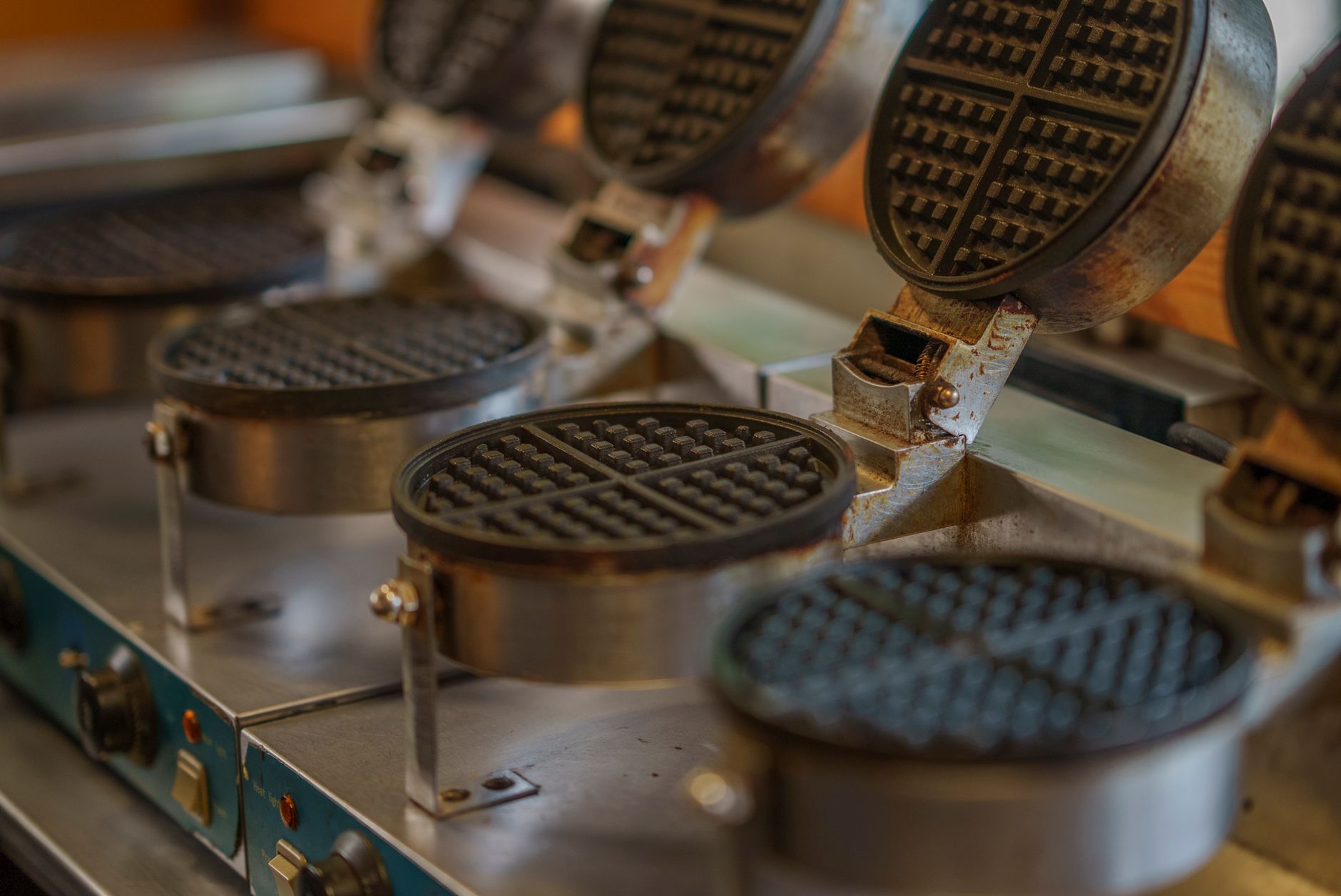
An electric griddle is a flat, temperature-controlled cooking surface that uses between 1,000 and 1,800 watts to provide an even heat distribution for large-volume cooking. It excels at preparing multiple servings simultaneously, reducing the need for multiple pans and minimizing the time spent standing over a traditional stove.
⚡ In a Rush? Key Takeaways
- Electric griddles typically consume 1.2 to 1.5 kWh per hour of operation.
- Using a griddle for large batches is 25% more energy-efficient than using two pans.
- Most models reach optimal cooking temperatures in under 8 minutes.
- ✅ Best value: Choose a ceramic-coated model to balance longevity and cleanup speed.
How Do Electric Griddles Affect Your Kitchen Energy Use?
Electric griddles use 1.2–1.5 kWh per hour, which is often more efficient than firing up a large electric oven for small batch tasks.
Does a griddle use more electricity than a stovetop?
A griddle uses less energy than a stovetop for batch cooking because it heats a dedicated, thin-gauge surface rather than a heavy pan.
When cooking for four or more people, a large electric griddle eliminates the need for multiple burner activations. Stovetop burners, particularly electric coils, lose significant heat to the air and the pan mass itself.
By comparison, a griddle’s integrated element is designed to minimize thermal loss. Efficiency gains are most pronounced when you are cooking items like pancakes, eggs, or burgers that require consistent surface area.
- Griddle: 1,500W constant during preheat, then cycles down.
- Stovetop: Requires multiple burners if you have more than four items.
- Total impact: 20-30% energy reduction for high-volume breakfast tasks.
Is an electric griddle faster than a pan on the stove?
Griddles reduce cooking time by 15-20% because the entire surface is usable and heat recovery is faster than on a standard burner.
The speed advantage comes from the absence of cold spots. You do not have to wait for the pan to recover heat when you add a cold egg or raw meat, as the griddle surface is significantly larger.
If you are interested in further optimising your cooking process, see our kitchen workflow systems for more ways to save time.
What Features Should You Prioritize for Efficiency?
Prioritise adjustable thermostats, ceramic non-stick coatings, and removable heating elements for easier cleaning and better thermal control.
Why does surface material matter for efficiency?
Ceramic coatings are generally more efficient than traditional Teflon because they conduct heat faster and require less oil during usage.
A thinner, high-conductivity material allows the element to cycle off sooner. While cast iron griddles retain heat well, they take much longer to reach the desired temperature, increasing your idle energy usage.
When choosing materials, consider these trade-offs:
| Material | Heating Speed | Cleaning Ease |
|---|---|---|
| Ceramic | Fast | Easy |
| Cast Iron | Slow | Difficult |
| Teflon | Moderate | Very Easy |
Should you choose a model with a removable heat probe?
Removable probes ensure your appliance is fully immersible, which is essential for maintaining a clean surface and high performance.
A griddle that cannot be fully submerged in water becomes difficult to clean thoroughly. Residue build-up on the element side of the surface creates an insulator that forces the unit to work harder to maintain heat.
Proper maintenance is a core part of our home maintenance strategy for all kitchen electricals.
How does cooking surface size impact efficiency and usability?
Choosing the right griddle size balances cooking capacity with energy use and countertop space.
A larger surface (e.g., 20” x 10”) lets you cook more items simultaneously, reducing the need to batch-cook and thus saving energy over multiple rounds. However, a bigger plate draws more power during preheat and may take longer to reach temperature if the wattage isn’t scaled accordingly.
For most households, a 160‑square‑inch surface (around 15” x 11”) comfortably handles four‑person meals without excessive idle energy. Measure your available countertop and consider storage: models with a removable drip tray or fold‑away legs help fit the griddle in a standard cabinet when not in use.
How Can You Safely Store and Maintain Your Griddle?
Store your griddle vertically to save space and protect the non-stick surface from scratches by using simple felt dividers or cloths.
Is vertical storage better for long-term reliability?
Vertical storage prevents the unit from accumulating weight from other items, which can warp the thin aluminum cooking surface over time.
Using a dedicated vertical slot in your cupboard keeps the griddle accessible for daily use. If an appliance is hard to reach, it rarely gets used, effectively reducing the return on your investment.
How do you extend the life of the non-stick coating?
Always hand wash with a non-abrasive sponge and never use metal utensils, as micro-scratches destroy the non-stick properties quickly.
Once the coating is compromised, food sticks more, requiring higher temperatures and more oil. This cycle eventually shortens the appliance’s life, as per our general appliance buying intelligence standards.
Frequently Asked Questions
-
Can I use an electric griddle for more than just breakfast?
Yes, it is excellent for searing steaks, grilling vegetables, or making grilled cheese, effectively functioning as a mini flat-top grill.
-
How do I know if my griddle is actually hitting the right temperature?
Use a surface-mount infrared thermometer to verify the heat, as most built-in dials are merely estimations of temperature levels.
-
Does a griddle save money over the long term?
It saves money if you use it to replace multiple stove burners or an oven for batch cooking, effectively reducing total energy draw.