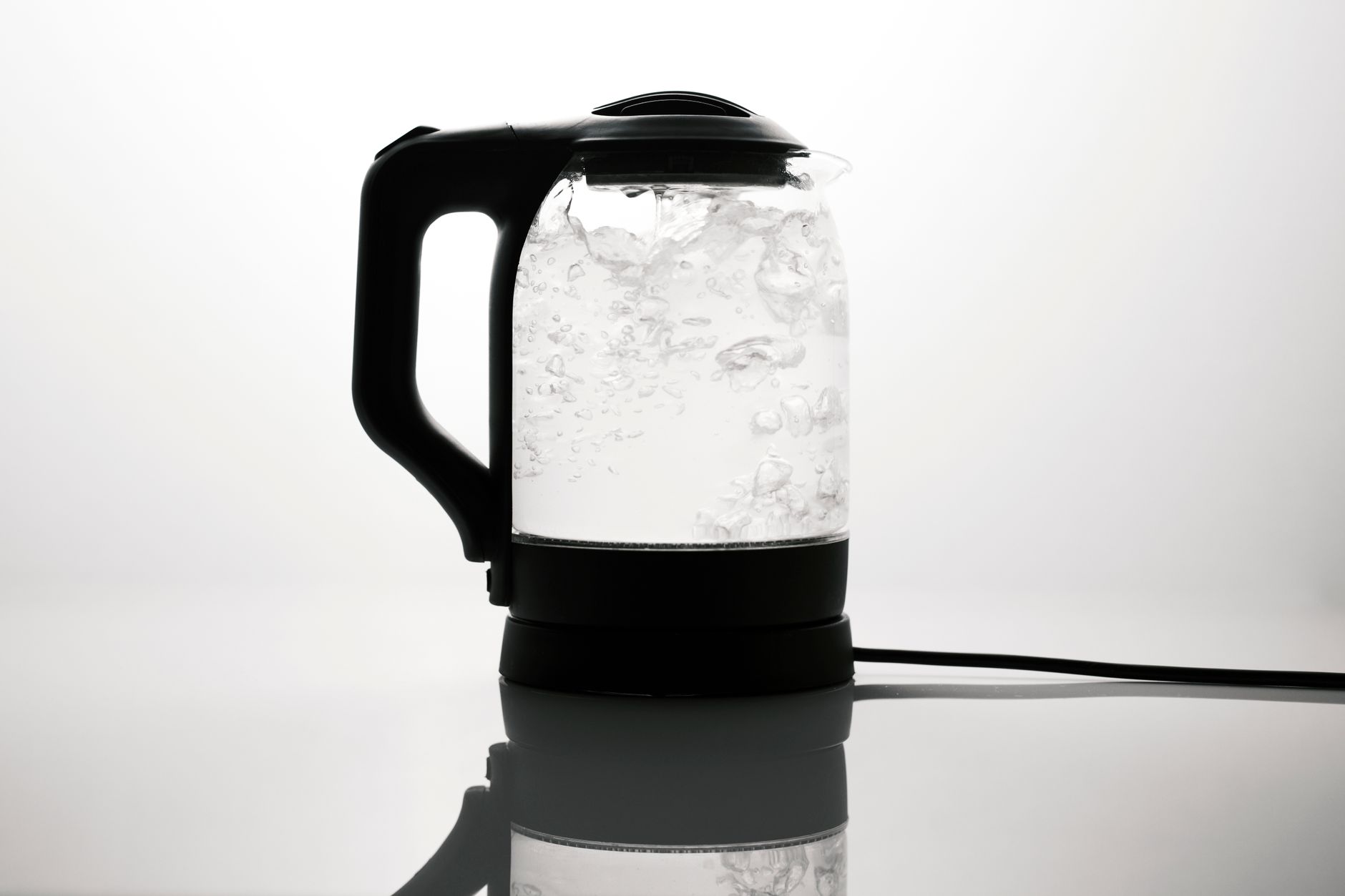
Glass electric kettles provide an immediate, visual indicator of water quality and limescale buildup that opaque stainless steel models simply cannot match. While they carry a slightly higher risk of accidental breakage, their non-porous surface ensures that water never touches plastic or metallic interiors, often resulting in a cleaner taste profile for your tea or coffee.
⚡ In a Rush? Key Takeaways
- Glass kettles typically consume 1.2–1.5 kWh per hour of active boiling time.
- Hard water deposits become visible on glass within 4–6 weeks of regular use.
- Cleaning with white vinegar costs approximately $0.15 per cycle of maintenance.
- Glass models eliminate plastic-leaching concerns in boiling water environments.
- ✅ Best for: Households that prioritize aesthetic cleanliness and pure water taste.
Why Should You Choose a Glass Kettle Over Stainless Steel?
Glass kettles offer superior hygiene and taste neutrality by preventing contact with plastic or metal, while providing clear water level visibility.
Are glass kettles safer for water purity?
Borosilicate glass is inert and does not leach chemicals or metallic tastes into boiling water, unlike cheaper plastic or poor-grade steel.
When you boil water in a glass kettle, you are interacting with one of the most chemically inert materials available. Unlike plastic-lined kettles, glass does not release bisphenol A (BPA) or phthalates when subjected to repeated heat cycles.
Does the transparency actually improve daily use?
Transparency allows for instant detection of water levels and prevents over-filling, which saves electricity by avoiding unnecessary heating.
Many users find that being able to see exactly how much water is in the unit prevents the common habit of over-filling. Boiling only the water you need is a core principle of energy efficiency in the kitchen, and glass makes this habit effortless to maintain.
Is the aesthetic appeal of glass practical for a kitchen?
A clear glass kettle acts as a design element, but its practicality depends entirely on your willingness to perform routine cleaning.
Glass units look modern and clean, but they show water spots and scale quickly. If your kitchen style is minimalist, the visual clarity of glass can elevate your countertop.
How Do You Maintain a Glass Kettle in Hard Water Areas?
Hard water scale builds up visibly on glass surfaces within weeks, requiring monthly vinegar treatments to maintain heat transfer efficiency.
How often should you descale a glass kettle?
Descaling is required every 4 to 8 weeks depending on your local water hardness and how frequently you boil water for daily drinks.
If you live in a hard water area, you will see a white, chalky deposit on the bottom element. This reduces efficiency, as the scale acts as an insulator, forcing the heating element to work longer to reach the boiling point.
What is the most effective way to clean glass without chemicals?
A 50/50 mixture of distilled white vinegar and water boiled for one minute is the most efficient and cost-effective way to remove scale.
Avoid abrasive scrubbers on the glass, as these can create microscopic scratches that harbor future scale. A soft sponge or cloth is sufficient after the vinegar treatment has softened the deposits.
Does limescale impact the energy cost of your kettle?
Heavy limescale buildup can increase the energy required to boil a full kettle by up to 15 percent, increasing your monthly kitchen costs.
Keeping the heating element clean is essential for appliance intelligence. A cleaner kettle is faster and less costly to run over its total lifespan.
What Are the Real-World Drawbacks of Glass Kettles?
The primary drawbacks include fragility if dropped, external heat conductivity, and the persistent need for wiping away exterior water spots.
Are glass kettles more fragile than traditional models?
High-quality borosilicate glass is shatter-resistant but remains susceptible to cracking if dropped against stone or tile countertops.
- Use the kettle on a stable, flat surface away from counter edges.
- Handle with care when filling to avoid hitting the glass against the tap.
- Choose models with reinforced base housing for better structural support.
Do glass kettles get too hot to touch?
Glass conducts heat more effectively than double-walled steel, making the outer surface very hot during and immediately after boiling.
Always use the handle to lift the unit. Unlike some double-walled stainless steel “cool-touch” kettles, glass models will reach the temperature of the water inside the vessel.
Frequently Asked Questions
-
Can you put a glass kettle in the dishwasher?
No, never place any electric kettle in the dishwasher because water will damage the electrical base and internal wiring components.
-
Do glass kettles retain heat as well as metal?
Glass loses heat faster than insulated stainless steel, but most modern glass kettles use tempered layers that retain heat sufficiently.
-
How long should a good glass kettle last?
With proper descaling and careful handling, a high-quality borosilicate glass kettle should function well for 5 to 8 years of use.
-
Are there cheaper alternatives to glass for clean water?
Stainless steel kettles with food-grade internal linings are the best alternative if you want durability without the risk of breakage.
For those looking to optimize their kitchen systems, choosing between glass and steel often comes down to balancing maintenance effort against longevity requirements.