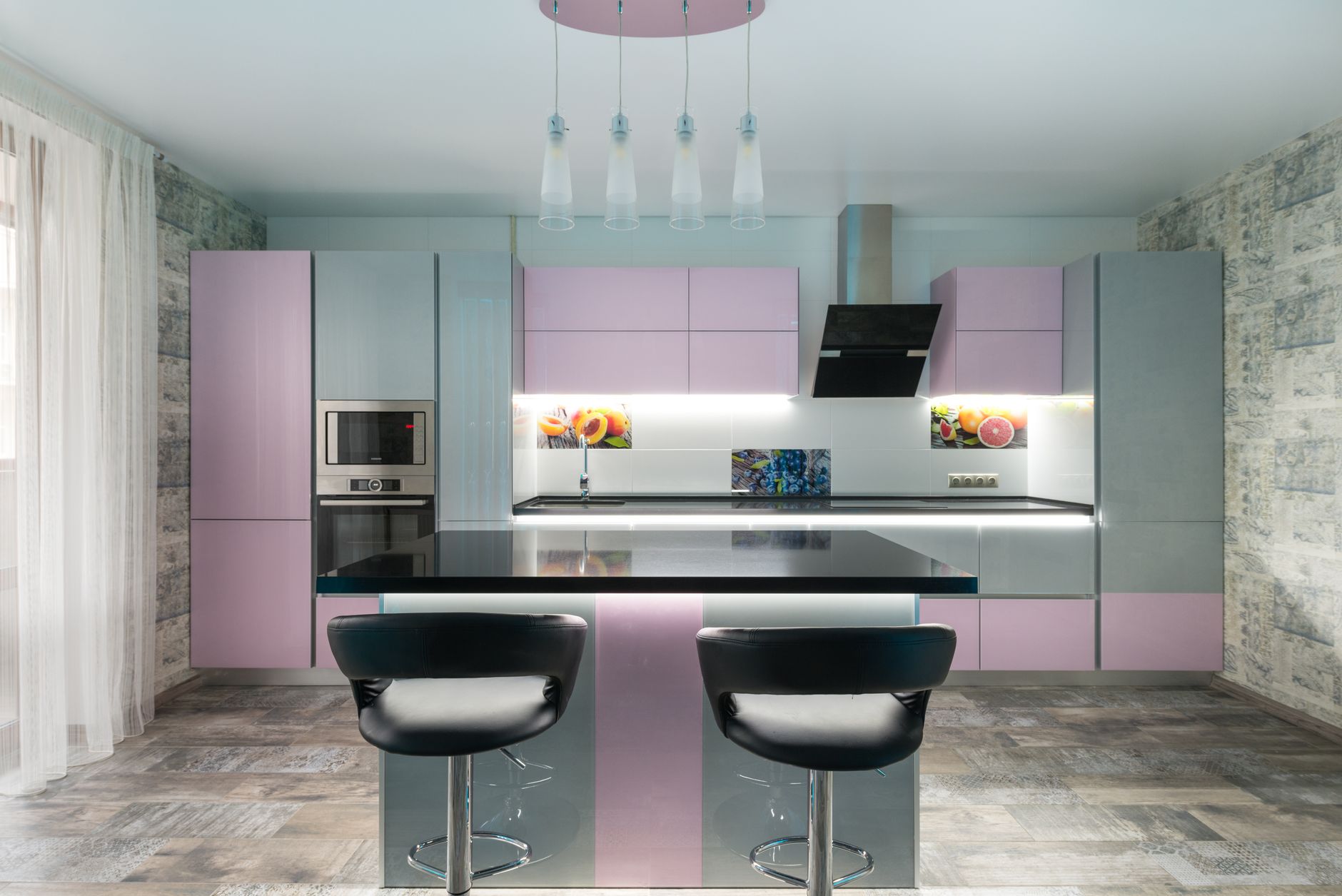
The best extractor fans and cooker hoods for 2026 are high-extraction units that balance CFM ratings with noise levels below 60 decibels. Choosing the right hood is as much about the physical capacity of your kitchen as it is about aesthetics, as an overpowered unit in a small space can create negative pressure issues.
⚡ In a Rush? Key Takeaways
- A 300-600 CFM range is sufficient for most residential kitchen layouts.
- Noise levels under 60dB are essential for open-plan living environments.
- Ducted systems are 20-30% more efficient than recirculating charcoal filter models.
- Cleaning metal grease filters every 4 weeks maintains optimal motor performance.
- ✅ My pick for general use is a 30-inch wall-mount unit with a 3-speed fan.
How Do You Calculate the CFM You Actually Need?
You need 100 CFM for every 10,000 BTUs of your gas cooktop or roughly 1 CFM for every square foot of your kitchen’s total volume.
Many homeowners choose a hood based on looks, only to find it cannot clear steam from a large pasta pot. The industry standard is to ensure your hood can exchange the air in your kitchen 15 times per hour.
If you have an induction hob, your needs are slightly different than with gas. Gas produces combustion byproducts that require more aggressive venting than steam alone.
Why does the distance between hob and hood matter?
Most manufacturers recommend a mounting height between 24 and 30 inches to ensure proper grease capture without damaging the motor.
Mounting a hood too high dilutes its effectiveness, forcing the fan to work harder than necessary. Conversely, mounting it too low risks heat damage to the grease filters and creates a safety hazard near open gas flames.
Should you prioritize extraction or quiet operation?
Most high-efficiency hoods operate at 50-65 decibels on high, while budget models often exceed 75 decibels, which mimics a vacuum cleaner.
The secret is to use a slightly more powerful motor than you think you need, so you can run it on a low or medium setting. A powerful fan running at 40% capacity is almost always quieter than a weak fan running at 100% capacity.
- Look for “sone” ratings instead of just decibels for noise accuracy.
- Variable speed settings allow for finer control during daily light cooking.
- Consider a hood with a “delay-off” function to clear air after dinner.
Which Cooker Hood Design Fits Your Kitchen Workflow?
Wall-mounted, island, and integrated hoods serve different spatial needs, with integrated units saving cabinet space for storage.
I have spent years testing kitchen workflow systems, and the placement of your ventilation is arguably the most critical component. If your cooking area is on an island, you need a ceiling-mounted or downdraft unit.
Are recirculating hoods truly effective?
Recirculating hoods filter air through charcoal and return it to the room, but they do not remove moisture or heat like ducted units.
If you cannot duct to the outside, you must commit to a rigorous charcoal filter replacement schedule. I replace these every six months to prevent the motor from straining against clogged media.
What is the benefit of a downdraft extractor?
Downdraft systems sit behind the hob and pull smoke downward, which is perfect for minimalist island designs without overhead clutter.
These units are brilliant for sightlines but require more complex ductwork beneath the floorboards. They are often more expensive than standard wall-mounted appliances but offer a unique aesthetic that keeps the kitchen feeling open.
When should you choose an integrated hood?
Integrated hoods hide inside your cabinetry, offering a smooth look that works well in both traditional and modern kitchen designs.
They are excellent for small kitchens where extra cupboard space is at a premium. Ensure you verify the internal depth of your cabinets before purchasing to guarantee a flush fit.
What Maintenance Keeps an Extractor Fan Running Well?
Cleaning grease filters every month prevents fire hazards and keeps the motor operating at its peak efficiency for years to come.
A neglected grease filter eventually becomes a solid slab of debris. This restricts airflow, increases noise, and forces the motor to draw more electricity than it should, impacting your energy costs over time.
How do you clean permanent metal grease filters?
Soak metal filters in a sink with hot water and degreasing detergent, or run them through a dishwasher on a heavy-duty cycle once monthly.
If you have particularly stubborn residue, use a specialized kitchen degreaser. Never use abrasive scrubbers that might scratch the mesh of the filter.
How often should you replace the charcoal filter?
Replace your charcoal filters every four to six months depending on how frequently you use the hood for frying and sautéing.
I keep a spare set in my utility cupboard so I don’t forget the replacement interval. If your kitchen consistently smells like last night’s dinner, it is a sign that your filters are saturated and need changing.
Frequently Asked Questions
-
Do I really need a cooker hood if I have a window?
A window is not a substitute for a hood because it does not capture grease, steam, or smoke at the source before they hit your walls.
-
Can a noisy hood be fixed?
Check for loose screws in the housing or debris in the blower wheel, but often, the noise is just a byproduct of a poorly sized motor.
-
Is a stainless steel hood harder to keep clean?
Stainless steel shows fingerprints easily, but it is the most durable material available and resists heat damage better than painted surfaces.
-
Do I need to hire a professional for installation?
You should hire a pro for ductwork and electrical work to ensure the system is vented properly and meets local safety codes.