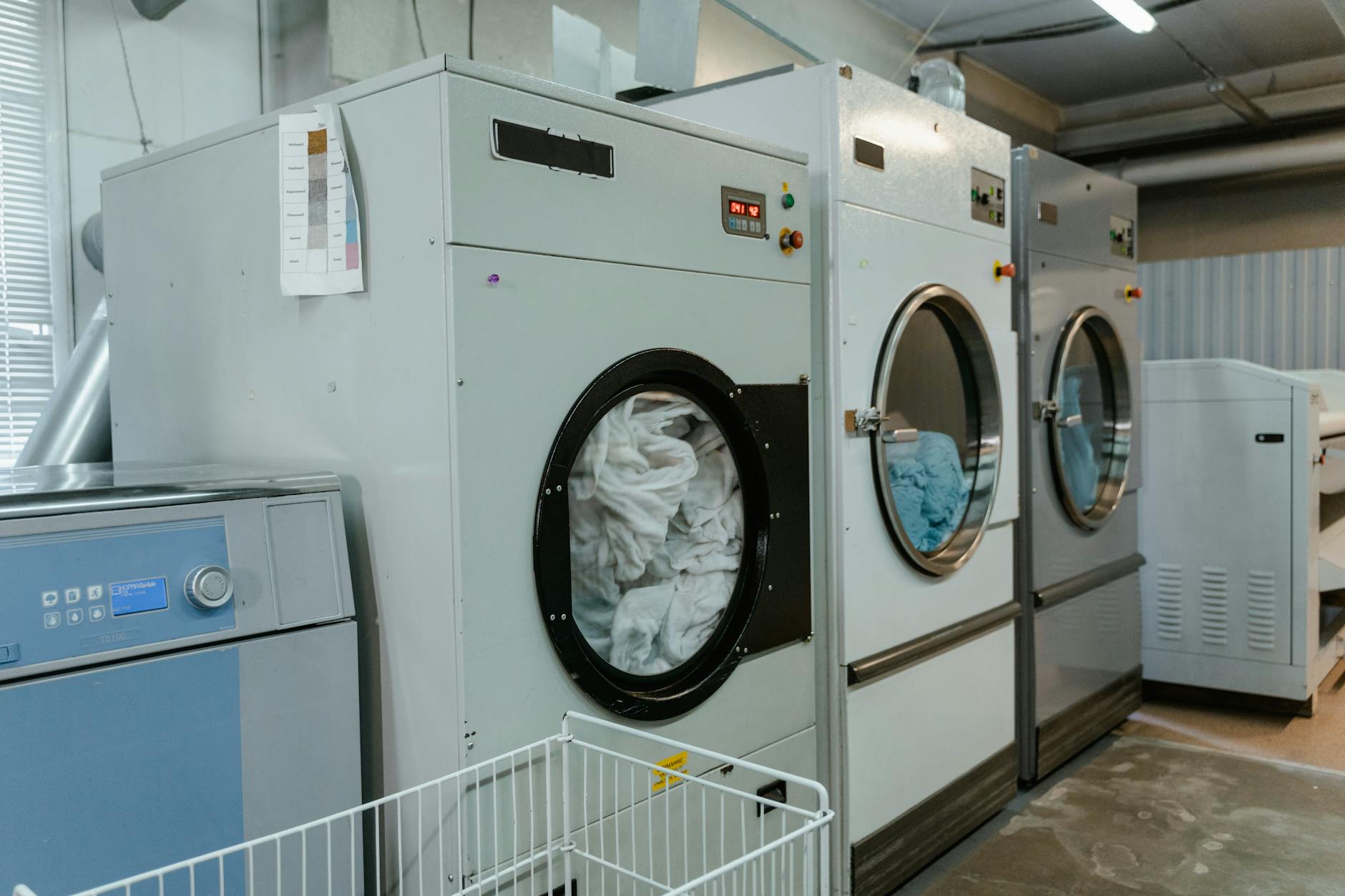
At the April 2026 Ofgem price cap rate of 30p per kWh, the cost to run a tumble dryer per load in the UK ranges from 45p for an efficient heat pump tumble dryer through to £1.25 or more for an ageing vented appliance — a threefold difference that adds up to over £150 annually for households drying three loads per week.
What is the exact tumble dryer cost per load in the UK in 2026?
Heat pump dryers cost 45–55p per load, condenser models 70–90p, and vented machines £1.00–£1.25 at 30p/kWh depending on drum size.
⚡ In a Rush? Key Takeaways
- Heat pump tumble dryers cost 45–55p per load at 30p/kWh
- Condenser tumble dryers cost 70–90p per load
- Vented dryers cost £1.00–£1.25 per load — up to £200 annually
- Partial loads waste 30–40% more energy per item than full drums
- Off-peak savings only apply on Economy 7 or time-of-use tariffs — not standard variable rates
- ✅ Upgrading from a vented to a heat pump dryer typically pays back within three years
To arrive at these figures, every calculation below uses the April 2026 Energy Price Cap standard variable unit rate of 30p per kWh — the rate applicable to roughly 80% of UK households. A modern heat pump dryer typically consumes 1.5 to 2 kWh for a full 9kg cotton load, placing the running cost at 45p to 60p per cycle. Condenser dryers, which lack heat exchange technology, draw between 3 and 4 kWh per cycle, translating to 90p to £1.20 depending on fabric type — cotton programmes consume significantly more energy than synthetic cycles. The older vented models remain the least efficient type of tumble dryer on the market, using 4 to 5 kWh and pushing the cost per load to £1.20 or higher for heavier materials such as towels or denim.
These calculations assume a full drum. Partial loads increase the cost per item significantly because the baseline electricity required to heat the drum and rotate the motor remains constant regardless of laundry volume. If you habitually dry half-loads, your effective cost per kilogram doubles — erasing any efficiency gains shown on the appliance’s energy rating label.
How do heat pump, condenser and vented dryers compare on running costs?
- Heat pump dryers use 1.5–2 kWh per cycle
- Condenser dryers use 3–4 kWh per cycle
- Vented models use 4–5 kWh per cycle
The divergence in energy consumption between the three types of tumble dryer stems from how each handles waste heat. Heat pump dryers recycle warm air through a closed loop, using refrigerant to extract moisture and reheat dry air — a process similar to air conditioning in reverse. This recapture of thermal energy explains their A+++ ratings and lower operating temperatures of around 50°C, which also reduce fabric wear over time. Condenser tumble dryers heat air once and discard it after passing it through a condensing chamber, while vented models simply blast heated air outdoors through a duct, operating at 70°C or higher.
Over a year of three loads per week — 150 cycles — the difference in electricity costs becomes stark: a heat pump dryer totals approximately £70 to £90 on your energy bill, whereas a vented model consumes £180 to £200. For households drying daily, the annual gap exceeds £150. When I tested a Miele T1 heat pump against an older Hotpoint vented unit in my own utility room, the monthly saving came to £13.50 — enough to justify the capital expense within three years. An A-rated heat pump appliance might use 1.93 kWh for a full 8kg cotton load, while a similarly sized C-rated vented model can consume 5.24 kWh for the same task. These ratings assume standard testing conditions; real-world dryer use varies based on how you load the machine and the ambient humidity in your drying space.
How to calculate your exact cost per load
Multiply your dryer’s energy consumption per cycle by your electricity rate per kWh. For example: 3.5 kWh × 30p = £1.05 per load. For older appliances without detailed labels, a plug-in energy monitor gives you an accurate baseline within a single cycle.
To perform this calculation precisely, locate the cotton cupboard drying cycle consumption figure on your appliance’s energy label — expressed as kWh per kilogram. Multiply by your drum capacity, then by your unit rate. If your label shows 0.24 kWh/kg on a 9kg drum, the sum is 0.24 × 9 = 2.16 kWh per cycle, costing 65p at 30p/kWh. Synthetics cycles typically consume 30–40% less energy than cotton cycles due to lower temperatures and reduced moisture content, so your real-world average will sit below the label figure if you dry mixed laundry. Use our Weekly Laundry Cost Calculator to model your household’s specific mix of programme types and drum sizes.
Does load size affect the cost per kilogram of laundry?
Drying a full 9kg load costs roughly 5p per kg in a heat pump dryer versus 15p per kg in an old vented model. Partial loads waste 30–40% more energy per item.
The cost per load is a misleading metric if you habitually under-fill the drum. A 9kg heat pump dryer handling a full load of towels uses approximately 2 kWh total, or 0.22 kWh per kilogram of dry laundry. Compare this to a 7kg vented dryer half-filled with 3.5kg of washing: it still consumes around 4 kWh because the heating element runs for the full duration required to dry the fabric, regardless of drum occupancy. This brings the cost per kilogram to roughly 34p — seven times higher than an efficient full load. The rule is constant: never switch on the dryer for less than a three-quarters full drum. Equally, avoid overloading, which restricts airflow and extends drying time by up to 20%, directly inflating your per-cycle cost and negating the efficiency benefit of a well-rated appliance.
Is it cheaper to run a tumble dryer at night on an off-peak tariff?
Standard variable tariffs charge 30p/kWh day and night. Genuine off-peak savings require Economy 7 or Agile Octopus, used by roughly 20% of UK households.
The myth of night-time savings persists from an era when Economy 7 meters were standard in rental properties. Today, the Standard Variable Tariff charges the same unit rate regardless of whether you run a tumble dryer at 3 PM or 3 AM. True time-of-use savings require either an Economy 7 tariff — which offers cheaper rates from midnight to 7 AM but higher daytime rates — or agile tariffs such as Octopus Agile, which track wholesale electricity prices every half-hour. For the 20% of households on these time-shifting plans, running the dryer during negative pricing events can reduce the per-load cost by 40–60%, occasionally approaching near zero. A 90p heat pump load could drop to 36p during a low-demand overnight window.
However, manufacturers explicitly warn against running tumble dryers unattended, and overnight operation raises genuine fire risk concerns regardless of appliance type. Heat pump dryers, with their lower operating temperatures, mitigate but do not eliminate this risk. If you are on a standard fixed or variable contract, nocturnal drying gains you nothing financially. Check your tariff code on your bill — if it does not reference Economy 7 or Time of Use, assume flat rates apply throughout the day.
How does the 2026 Energy Price Cap affect annual dryer running costs?
At 30p/kWh, three loads weekly costs £70–£200 annually depending on dryer type. Each 10p rise in the unit rate adds approximately £18–£37 per year to a typical household’s laundry electricity costs.
The relationship between the price cap and tumble dryer running costs is linear and immediate. For a family drying three loads weekly — 150 cycles annually — a heat pump dryer totals approximately £75 in consumption, a condenser model reaches £120, and a vented dryer climbs to £180 or beyond. A household running five loads weekly will see monthly dryer costs rise by approximately £8 for every 10p increase in the unit rate — a figure that makes the Ofgem cap trajectory directly relevant to laundry budgeting.
These figures exclude the standing charge of approximately 60p per day, which you pay regardless of consumption and which makes small, frequent loads proportionally more expensive in real terms. When evaluating whether to upgrade an existing machine, calculate the break-even point against two years of operating costs rather than the purchase price in isolation. If your current vented dryer costs £180 yearly to run and a replacement costs £500, the £105 annual saving pays back in under five years — a reasonable horizon for a regularly used appliance. Factor in reduced fabric replacement costs from gentler heat pump temperatures, and the financial case strengthens further still.
📊 Efficiency Verdict
A heat pump tumble dryer running 150 cycles annually saves £105–£130 in electricity compared to a vented model at 30p/kWh — enough to recover a mid-range purchase price within three years.
Should I replace my old vented dryer with a heat pump model in 2026?
Replacing a 10-year-old vented dryer saves £150–£200 annually. The £450–£600 purchase price typically pays back within three years through electricity savings alone.
The decision hinges on the age and efficiency rating of your current appliance. A vented dryer manufactured in 2015 might consume 5.8 kWh per cycle; a 2024 equivalent consumes around 4.2 kWh — a 27% efficiency improvement. However, because electricity unit rates have risen from roughly 17p/kWh in early 2021 to 30p today, running even a newer vented model costs more than running a comparably aged heat pump dryer. A vented model from 2015 is costing you approximately £3 per week more than necessary compared to a heat pump alternative.
Entry-level heat pump dryers from reputable brands are now available at £450–£500, with premium models around £600. At four loads weekly, saving 80p per load accumulates to £166 annually — recovering the price premium over a comparable vented machine within 18 to 24 months. Beyond the financial arithmetic, heat pump tumble dryers operate at lower temperatures, extending the life of elastic in clothing and bedsheets — a factor rarely captured in pure energy calculations but meaningful over a seven-year appliance lifespan. The government’s ongoing work on raising product standards for household tumble dryers signals that minimum efficiency requirements for new models will tighten further, making today’s heat pump technology the baseline rather than the premium choice. Greta recommends the Bosch Serie 6 or Samsung DV90T for reliability in the mid-range market.
Can you reduce tumble dryer costs without buying new hardware?
Spinning at 1400rpm, cleaning lint filters weekly, and selecting sensor-dry programmes reduces energy consumption by 15–20% without any hardware replacement.
Not every household budget stretches to a new appliance. Immediate savings come from mechanical preparation: spinning your washing at the highest speed your fabric care labels permit removes substantially more moisture before the dryer begins its work. A 1400rpm spin extracts measurably more water than 1200rpm, reducing drying time by 10–15 minutes and saving 10–15p per load. Vacuum the lint filter weekly — restricted airflow forces the machine to run longer cycles, directly inflating electricity consumption per cycle. Switch from timed programmes to sensor-dry settings, which terminate the cycle automatically when moisture levels drop, avoiding the habitual extra twenty minutes many users add out of caution.
Adding wool dryer balls can reduce drying time by up to 25% by separating fabrics and improving air circulation — most effective with natural fibres. For vented dryers, ensure ducting is unobstructed; a kinked hose can extend drying time by 30%, with a direct and measurable impact on your per-load cost. Consider a hybrid approach for bulkier items: air-dry partially damp laundry on a clothes horse for two hours before finishing in the dryer. This can halve mechanical drying time while still achieving the soft finish that makes tumble dryers preferable to air-drying alone — capturing most of the cost saving without sacrificing convenience during British winter months.
The tumble dryer cost per load UK 2026 ranges from nearly reasonable to quietly extortionate depending on your machine’s vintage and type. At 45p to £1.25 per cycle, the annual variance between efficient and inefficient dryer use exceeds £150 — money far better redirected toward a fuller audit of your laundry habits. Spin faster, fill fuller, let the sensors decide when the load is done, and if your vented dryer has seen a decade of service, the mathematics of 30p/kWh electricity make the switch to heat pump technology not an indulgence but a straightforward household investment.