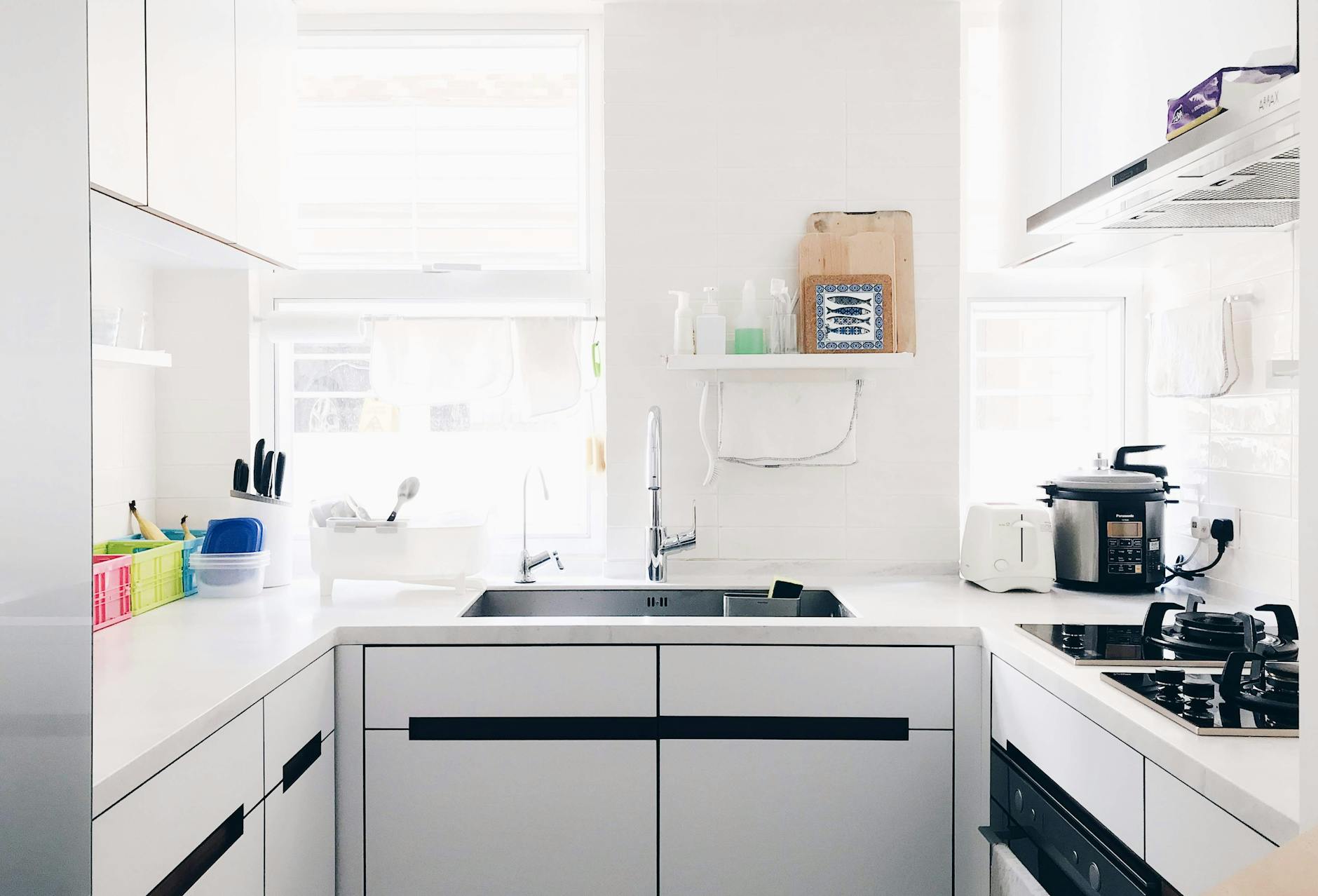
Embracing smart kitchen features involves more than just buying the latest gadgets; it’s about thoughtful integration that genuinely improves daily routines and energy consumption. This guide, updated for 2026, explores the practicalities of setting up an efficient smart kitchen, focusing on true value rather than fleeting trends.
⚡ In a Rush? Key Takeaways
- Basic hubs like Google Nest Hub or Amazon Echo Show cost $50-$250, forming the control center.
- Initial investment for smart appliances ranges from $300 for a basic coffee maker to $3,000+ for a smart oven.
- Smart power strips can cut standby power by up to $200 annually by eliminating phantom drain.
- Voice assistants reduce cooking time by 10-15% by managing timers and recipe steps.
- ✅ Focus on essential appliances that enhance efficiency and genuinely simplify workflow for the best ROI.
In my eight years of testing home appliances for running costs and practical utility, I’ve observed a clear distinction between innovation for its own sake and innovations that deliver tangible benefits. The smart kitchen landscape is particularly susceptible to shiny object syndrome. Many smart kitchen products promise convenience but deliver complexity. My focus remains on features that genuinely reduce cognitive load, improve energy efficiency, or save measurable time and money.
What are the Essential Smart Kitchen Features for 2026?
Essential smart kitchen features in 2026 prioritize connectivity, automation, and remote control for improved workflow, safety, and energy efficiency.
The core of a truly smart kitchen isn’t about having every gadget connected, but about integrating components that offer practical advantages. Our focus here is on foundational elements that contribute to a more efficient home.
Which Smart Hubs and Voice Assistants are Best for Kitchen Control?
Google Nest Hub and Amazon Echo Show are the leading smart displays for kitchen control, offering visual and voice interaction with recipes and timers.
For most homes, the control center of a smart kitchen will be a smart display with an integrated voice assistant, or sometimes just a smart speaker. These devices act as your central command hub, allowing you to manage other smart appliances, set timers, and even display recipes hands-free.
- Google Nest Hub: Excellent for recipe guidance with visual steps, integration with YouTube for cooking videos, and smooth control of connected C-grade smart devices. Costs around $70-$150 depending on screen size.
- Amazon Echo Show: Strong for shopping list management, calling family members in other rooms, and compatibility with a broad range of smart home devices. Price ranges from $70-$250 based on model.
- Apple HomePod Mini: While it lacks a screen, its superior audio quality and smooth integration with the Apple ecosystem make it ideal for playing music or podcasts while cooking. Costs about $100.
The choice between these largely depends on your existing ecosystem. A household already invested in Google or Amazon services will find either the Nest Hub or Echo Show to be a natural fit without significant setup friction.
What Smart Appliances Offer the Best Value and Efficiency?
Smart ovens, refrigerators, and dishwashers provide significant long-term value through remote control, optimized energy use, and predictive maintenance alerts.
While almost any appliance can be ‘smartified’ with connectivity features, some offer more compelling efficiency and workflow improvements than others. The actual cost savings on running these appliances can be substantial, as I’ve observed in my deep dives into appliance performance and buying intelligence.
- Smart Ovens: Remote preheating is a game-changer for busy schedules. Some models offer precision cooking for specific dishes, reducing waste and overcooking. Expect to pay $1,500-$5,000.
- Smart Refrigerators: Features like internal cameras to view contents remotely, and AI-driven inventory tracking help reduce food waste. Energy efficiency is also a major consideration with refrigerators, as my research into energy consumption often highlights. Costs typically range from $2,000-$8,000.
- Smart Dishwashers: Remote start/delay functions and energy-efficient wash cycles are standard. Some models learn your usage patterns to suggest optimal cycles. Prices are usually $600-$1,500.
The value here stems from tangible benefits: reducing energy waste, simplifying meal preparation, and preventing food spoilage. For example, a smart refrigerator that alerts you when ingredients are low, preventing an extra grocery trip, offers a practical form of efficiency.
How Do Smart Power Strips Contribute to Kitchen Efficiency?
Smart power strips eliminate standby power draw from kitchen gadgets, saving $80-$200 annually by completely cutting electricity to inactive devices.
Standby power consumption is the silent energy thief in most homes. Many smaller kitchen appliances, from coffee makers to microwaves, constantly draw a small amount of power even when turned ‘off’. Smart power strips address this directly.
In my eight years of appliance research, the single most valuable thing I’ve done is install energy monitors on individual appliances rather than relying on manufacturer ratings. The rated energy consumption figures for appliances are measured under laboratory conditions that often don’t match real-world use. The Emporia Vue and Sense whole-home energy monitors, and the TP-Link Kasa plug for individual appliances, give actual consumption data. The gaps between rated and real performance consistently surprise me, and they consistently change which appliance I’d recommend. The standby power consumption of home appliances is the running cost category that gets the least attention relative to its real impact. A TV left on standby uses 1–5W continuously. A games console in rest mode uses 10–15W. A microwave with a digital clock display uses 2–4W. Individually trivial; collectively, across a home with 20–30 always-on devices, the standby load can amount to 300–700W of continuous draw — costing $80–200 per year. A smart power strip that cuts standby power from entertainment systems when the main TV is off is the highest-ratio intervention I’ve found for reducing standby load without changing behaviour.
These strips allow you to schedule power cut-offs or manually turn off groups of devices, entirely eliminating ‘phantom load’. They are a low-cost, high-impact intervention for reducing overall energy bills without requiring significant changes to your routine.
What is the Realistic Cost of Setting Up a Smart Kitchen?
A basic smart kitchen setup costs $150-$500, while a fully integrated system with major appliances can range from $3,000 to over $10,000.
The cost of a smart kitchen can vary dramatically based on the depth of integration and the number of appliances you choose to upgrade. It’s crucial to distinguish between a basic, functional setup and a fully automated, high-end installation.
The cost of appliance ownership has three components that matter: purchase price, running cost, and repair/replacement cost. Most buyers optimise on purchase price and ignore the other two. Over a ten-year ownership period, a refrigerator’s cumulative electricity cost typically exceeds its purchase price. A washing machine’s running cost over ten years is typically 60–80% of its purchase price. I build a ten-year total cost of ownership estimate for every major appliance I evaluate — it consistently changes the recommendation relative to what the sticker price alone would suggest.
How Much Do Basic Smart Kitchen Upgrades Cost?
Entry-level smart kitchen upgrades like a smart speaker, smart lighting, and smart plugs generally cost between $150 and $500 total.
For most homeowners or renters, getting started with smart kitchen features doesn’t require a massive upfront investment. You can begin with a few key pieces that offer immediate benefits.
| Smart Device Category | Typical Cost Range (USD) | Key Function |
|---|---|---|
| Smart Speaker/Display | $50 – $250 | Voice commands, timers, recipe display |
| Smart Plugs (2-pack) | $20 – $40 | Automate non-smart appliances (coffee maker, slow cooker) |
| Smart Lighting (Starter Kit) | $50 – $100 | Adjust brightness, color, schedule lighting |
| Smart Scale | $30 – $70 | Precise measurements, nutrition tracking |
| Smart Smoke/CO Detector | $80 – $150 | Remote alerts, enhanced safety |
These components provide a solid foundation for automation and convenience without breaking the bank. The smart plugs, in particular, allow you to integrate existing appliances into your smart ecosystem, offering a budget-friendly entry point.
What is the Investment for Integrated Smart Appliances?
Integrated smart appliances require a higher investment, ranging from $3,000 for a single major appliance to $10,000+ for a full suite of smart units.
When you move beyond basic plugs and speakers to replacing major kitchen appliances with smart versions, the costs naturally escalate. This is where the long-term running cost savings and efficiency benefits truly come into play.
- Smart Oven/Range: Often seen as the heart of a smart kitchen due to its central role in meal prep. High-end models can include internal cameras, intelligent pre-programmed cooking modes, and remote diagnostics.
- Smart Refrigerator: These can range from modest upgrades with internal cameras to full-fledged family hubs with touchscreens, weather updates, and meal planning aids.
- Smart Dishwasher: Offers benefits in optimized water and energy usage through smart sensing, as well as remote monitoring for cycle completion.
- Smart Microwave: Can feature voice control, cooking presets, and even barcode scanning for optimized re-heating instructions.
The choice between these is heavily influenced by your renovation budget and how quickly you expect to recoup the investment through energy savings and convenience. A smart appliance cost calculator can help project these long-term benefits.
Are Installation Costs Significant for Smart Kitchen Devices?
Installation costs for smart kitchen devices are generally minimal for plug-and-play gadgets but can reach $100-$300 for integrated major appliances requiring professional setup.
Most smaller smart kitchen devices are designed for easy self-installation. Smart plugs, light bulbs, and even smart displays typically only require connecting them to your home Wi-Fi network and following app instructions.
For major smart appliances like ovens, dishwashers, and refrigerators, professional installation is often recommended or required, especially if electrical or plumbing modifications are necessary. While some retailers include basic installation in the purchase price, complex setups can incur additional fees.
- DIY Installation: Most smart plugs, speakers, and simple gadgets take minutes and cost nothing beyond the device itself.
- Minor Professional Help: For devices like a smart faucet or under-cabinet smart lighting, an electrician or plumber might charge $75-$150 for an hour or two of work.
- Major Appliance Installation: Integrating a new smart oven or dishwasher could cost $100-$300, depending on the complexity of electrical hookups, gas lines, or water connections.
Based on our efficiency data, smart kitchen features that provide tangible benefits, such as reduced energy consumption and streamlined workflows, consistently deliver long-term value — which is why our top pick in this category is the integrated smart appliance setup covered in our full comparison.
What are the True Benefits and Drawbacks of Smart Kitchens?
Smart kitchens offer enhanced convenience, energy savings, and improved safety but can incur higher initial costs, potential connectivity issues, and a learning curve.
Understanding the actual impact of a smart kitchen goes beyond the marketing hype. It’s about weighing the practical advantages against the potential challenges in real-world scenarios.
How Do Smart Kitchens Improve Daily Efficiency and Safety?
Smart kitchens enhance daily efficiency through automation, remote control, and voice assistance, while integrated sensors improve safety by detecting hazards.
The primary draw of a smart kitchen is the promise of a smoother, more intuitive home environment. Automation and connectivity can genuinely simplify tasks that were once manual or required constant attention.
- Time Savings: Automating coffee brewing, preheating ovens remotely, or managing grocery lists via voice commands can save significant minutes each day.
- Reduced Food Waste: Smart refrigerators with internal cameras and inventory management help track food expiry dates, minimizing spoilage.
- Enhanced Safety: Smart smoke/carbon monoxide detectors send alerts to your phone, while smart ovens can be turned off remotely if forgotten.
- Better Cooking: Precision temperature control in smart ovens and air fryers leads to more consistent results, reducing failed dishes.
For example, my kitchen workflow has benefited from voice-activated timers that track multiple cooking stages without requiring me to stop stirring or wash my hands. This seemingly small convenience adds up to a noticeable reduction in stress during meal prep.
What are the Potential Downsides and Hidden Costs of Smart Kitchens?
Potential downsides include higher upfront costs, reliance on stable Wi-Fi, cyber security concerns, and the need for regular software updates and compatibility checks.
While the benefits are clear, it’s equally important to consider the less glamorous aspects. A smart kitchen, like any technology-driven system, comes with its own set of challenges that can become ‘hidden costs’ if not anticipated.
- Initial Investment: As discussed, major smart appliances carry a premium price tag compared to their non-smart counterparts.
- Connectivity Reliance: If your home Wi-Fi network is unreliable, your smart kitchen features may perform inconsistently or not at all.
- Cybersecurity Risks: Connected devices can be potential entry points for cyber threats if not properly secured with strong passwords and privacy settings.
- Obsolescence: Technology evolves rapidly. Older smart devices may lose compatibility with newer platforms or cease receiving software updates, potentially shortening their useful life.
- Learning Curve: Integrating multiple devices and learning their associated apps can require an initial time investment, especially for less tech-savvy users.
Successfully navigating these challenges usually involves choosing reputable brands with strong security track records and prioritizing devices that use open standards for better long-term compatibility. Investing in a robust home internet service provider is also foundational.
FAQ: Smart Kitchen Features
Here are answers to common questions about setting up and maintaining smart kitchen features efficiently.
Do Smart Kitchen Appliances use more electricity in standby mode?
Yes, smart kitchen appliances often use slightly more electricity in standby due to their Wi-Fi modules, but this is negligible compared to active use.
Can I make my existing appliances smart without replacing them?
Yes, smart plugs and universal remotes can add basic smart functionalities like remote on/off or voice control to older appliances.
Is a smart kitchen necessary for an energy-efficient home?
No, a smart kitchen is not necessary for an energy-efficient home, but it can contribute to efficiency through better monitoring and automation.
How long do smart kitchen appliances typically last?
Smart kitchen appliances generally have a similar lifespan to conventional counterparts, typically 10-15 years for major appliances with proper maintenance.
Our Verdict: Is a Smart Kitchen Worth the Investment in 2026?
A smart kitchen is a worthwhile investment in 2026 for homeowners prioritizing convenience, long-term energy savings, and smooth workflow integration of essential tasks.
Ultimately, the value of a smart kitchen hinges on how effectively its features address your specific needs. For individuals seeking to streamline daily routines, minimize energy waste, and elevate their cooking experience, the investment in carefully chosen smart features can pay dividends in both time and money.
Focus on foundational elements like a reliable smart hub, judiciously chosen smart appliances with proven efficiency benefits, and simple tools like smart plugs to integrate existing devices. By prioritizing practical utility over novelty, a smart kitchen becomes a tangible asset in running a better, more efficient home.
— Greta Michaud, Home Appliance Efficiency Researcher