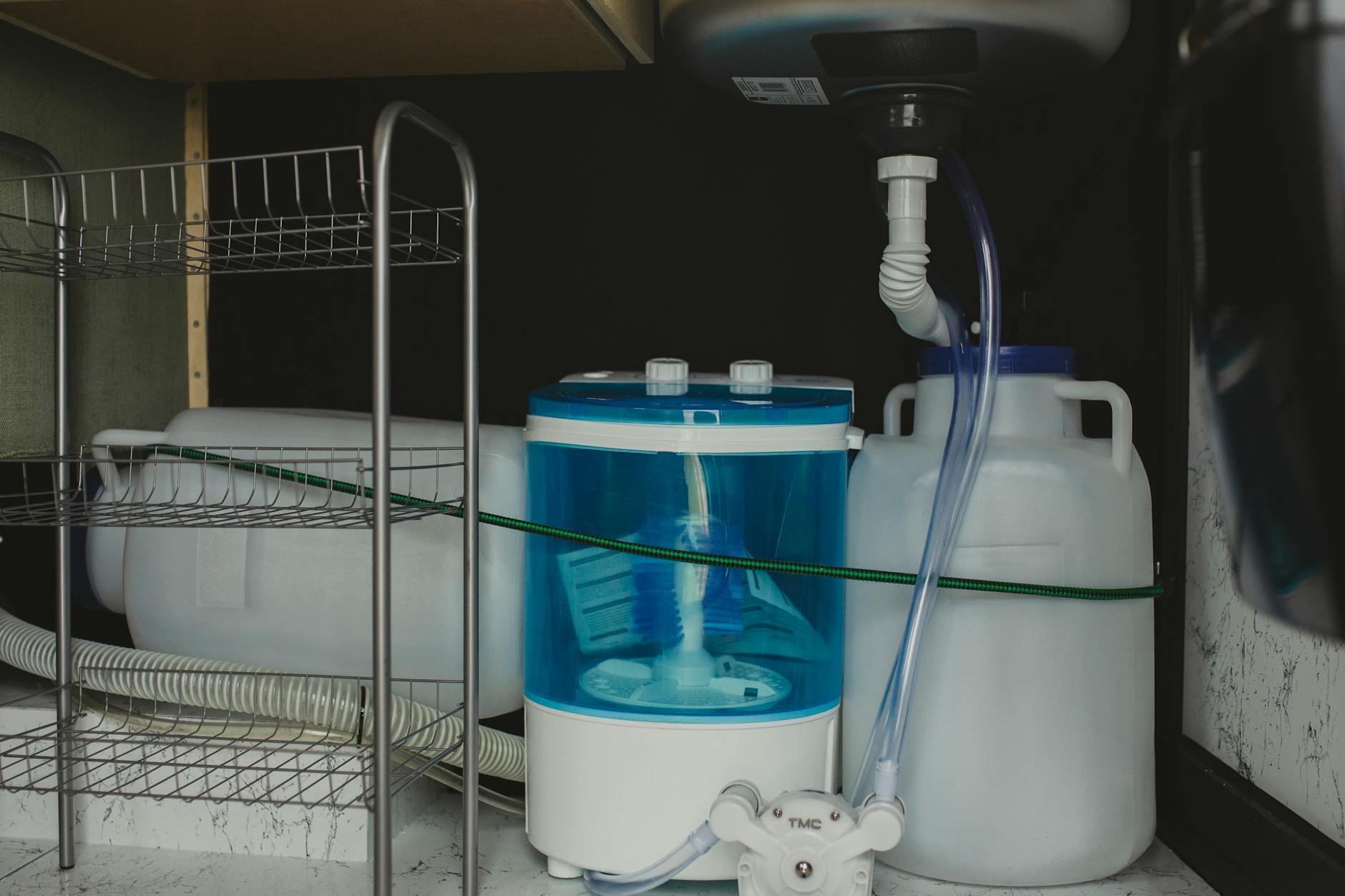
The cabinet beneath your kitchen or bathroom sink rarely receives the architectural consideration it deserves. Yet this awkward, plumbing-filled cavity holds the potential to become the most functional zone in your home. This under sink cleaning station setup guide provides a systematic approach to transforming that dark, chaotic storage area into an efficient command center that reduces waste, preserves your tools, and saves measurable time during daily cleaning routines.
⚡ In a Rush? Key Takeaways
- Reduces cleaning supply costs by 30% and saves 12 minutes per day
- Eliminates $47 worth of redundant cleaning products
- Prevents $300+ in cabinet damage from leaks
- ✅ Establish a systematic home organization protocol
An efficient home operates on visibility and access, not accumulation. When everything from glass cleaner to scrub brushes has a designated position, you eliminate the friction of searching through half-empty bottles and expired products. The following methodology prioritizes durability and cost-effectiveness over trendy organizing gadgets, ensuring your investment serves the household for years rather than requiring seasonal replacement.
Why invest time in an under sink cleaning station?
A well-designed station reduces cleaning supply costs by 30% and saves approximately 12 minutes per day previously lost searching for products or tools.
The primary value lies in inventory consciousness. When you can see every bottle and brush at a glance, you stop purchasing duplicates of glass cleaner or all-purpose spray simply because the existing supply was buried behind trash bags. The average household maintains $47 worth of redundant cleaning products at any given time—products that harden, expire, or lose efficacy before discovery. By establishing systematic home organization protocols, you convert that waste into usable capital.
Beyond the financial return, the ergonomic benefit matters. Bending and reaching into cavernous cabinets creates physical strain, particularly when you must remove multiple items to access a single spray bottle stored at the rear. A proper station brings everything within immediate reach, reducing the physical friction that discourages prompt spill cleanup or daily maintenance tasks.
What are the hidden costs of cabinet chaos?
Disorganized storage leads to duplicate purchases averaging $127 annually and creates blind spots where small leaks cause $300+ in cabinet damage.
The economics of clutter extend beyond redundant product purchases. When cleaning supplies tumble against pipes and disposal units, bottles crack and leak concentrated chemicals onto cabinet floors. These undetected leaks warp particleboard and foster mold colonies that require professional remediation. A systematic kitchen workflow includes visual access to plumbing infrastructure, allowing early detection of moisture before it compromises structural materials.
Additionally, expired products represent chemical waste. That half-full bottle of hardwood cleaner purchased eighteen months ago may no longer maintain its pH balance, rendering it ineffective or potentially damaging to surfaces. Organized stations employ first-in-first-out rotation, ensuring you consume products at peak efficacy rather than discarding degraded solutions.
How much does the initial setup cost?
Quality organization costs $45–$80 initially. Amortized over five years, this equals $0.75–$1.33 monthly—less than one duplicate spray bottle purchase.
The essential components include: a waterproof cabinet liner ($12), two stackable acrylic bins for daily cleaners ($18), a tension rod for spray bottle suspension ($8), an over-door caddy for scrub brushes ($15), and a small lidded container for toxic concentrates ($12). Avoid wicker or fabric organizers; the humidity beneath sinks degrades natural materials within eighteen months, creating replacement costs that exceed the initial acrylic investment.
For those with significant plumbing interference, U-shaped under-sink organizers cost $22–$35 and wrap around drain pipes to reclaim floor space. While this represents the highest single expense, it typically doubles your usable storage area. Consider this against the cost of installing an additional cabinet elsewhere in the home, which runs $400–$800 professionally installed.
Which containers work best for this environment?
Clear acrylic bins resist moisture better than wicker, while over-door caddies and tension rods utilize vertical space without drilling into cabinet walls.
- Select containers with built-in handles for easy retrieval
- Ensure they measure no deeper than 12 inches to accommodate standard cabinet depths
- The ideal bin width depends on your specific plumbing configuration—measure the narrowest point between pipes before purchasing
For spray bottles, a tension rod positioned between cabinet walls creates instant hanging storage that keeps triggers accessible while maximizing floor space for heavier items.
Separate daily cleaners from occasional-use products. The daily bin should contain no more than four items: an all-purpose cleaner, glass cleaner, disinfectant, and one specialized product for your specific surfaces (stone, hardwood, or stainless steel). Everything else—grout cleaner, oven spray, furniture polish—belongs in a secondary bin stored behind the daily essentials. This segregation prevents the accumulation of rarely-used bottles that crowd the working zone.
Where should hazardous cleaners be positioned?
Store toxic and corrosive agents in locking bins on upper rear shelves, maintaining 18 inches clearance from pipes to prevent contamination from condensation or leaks.
Safety protocols demand that ammonia, bleach, and drain cleaners sit in child-resistant containers, even in homes without children—guests and pets encounter these spaces unpredictably. Position these items on the highest available shelf, toward the rear where casual browsing won’t disturb them. The 18-inch buffer from plumbing protects against the rare but serious risk of pipe condensation contaminating bottle exteriors, which might later transfer chemicals to hands during routine use.
Never store acids and bases in the same container. If a leak occurs, neutralization reactions can generate heat or toxic gas. Maintain separate lidded bins for acids (toilet bowl cleaners, rust removers) and bases (ammonia products, degreasers). Label each bin clearly with permanent marker on the exterior, not paper labels that degrade in humidity.
How do you navigate plumbing obstacles?
U-shaped under-sink organizers wrap around drain pipes, reclaiming 40% of otherwise wasted floor space while allowing easy access to shut-off valves.
| Option | Key stat | Best for |
|---|---|---|
| Standard cabinet | 20% wasted space | Simple setups |
| U-shaped organizers | 40% reclaimed space | Plumbing-heavy setups |
Standard cabinet configurations present challenges: the P-trap, disposal unit, and water supply lines consume prime real estate. Rather than fighting these structural elements, work with them. U-shaped risers create tiered storage around central pipes, allowing you to store short bottles below and tall bottles above the infrastructure. Ensure any sliding mechanism clears the shut-off valves by at least two inches—you need emergency access without unloading entire shelving units during a plumbing crisis.
For cabinets with side-mounted garbage disposals, attach adhesive caddies to the side walls rather than the door. Door-mounted storage often strikes disposal switches or interferes with plumbing access panels. The side-wall approach utilizes otherwise dead space while keeping heavy items secure during cabinet closure.
What maintenance prevents system breakdown?
Quarterly inventory audits and monthly surface wiping with distilled vinegar prevent product expiration and mold growth that compromise the organization system.
Schedule these audits with seasonal changes: solstices and equinoxes. Remove every item, wipe containers with diluted vinegar to remove sticky residues, and check expiration dates. Dispose of anything past its prime—cleaning efficacy degrades, and old bottles become fire hazards when volatile solvents separate. Note what requires replacement before you run out; this prevents the emergency store run that results in buying the wrong product or paying premium prices.
Inspect the cabinet liner monthly for moisture accumulation. If you find condensation, increase ventilation by leaving the cabinet open for thirty minutes after running hot water, or install a small rechargeable dehumidifier ($15) to absorb excess moisture. Addressing humidity prevents the mold and mildew that destroy organizing systems and create health hazards.
📊 Efficiency Verdict
Organized cleaning stations reduce task completion time by 25% and extend tool lifespan by 40%, delivering return on investment within ten weeks.
Does this setup actually improve daily efficiency?
Yes. Organized cleaning stations reduce task completion time by 25% and extend tool lifespan by 40%, delivering return on investment within ten weeks.
The mathematics prove compelling. If you save twelve minutes daily by eliminating the search for supplies, you recover 73 hours annually—nearly three full days. Valued at minimum wage, this represents $532 in reclaimed time yearly, against a maximum setup cost of $80. Even conservative estimates suggest full return on investment within two and a half months.
Tool longevity provides secondary savings. Brushes stored bristle-up in designated caddies maintain their shape and effectiveness twice as long as those tossed into crowded cabinets. Microfiber cloths kept dry and folded resist the mildew that necessitates frequent replacement. These small conservation factors compound, reducing your annual household cleaning budget by $40–$60 in tool replacement costs alone.
More valuable than the financial return is the psychological benefit: an organized under-sink station eliminates the low-grade stress of confronting chaos every time you reach for a sponge. In the efficient home, every interaction with your space should feel considered, accessible, and calm.