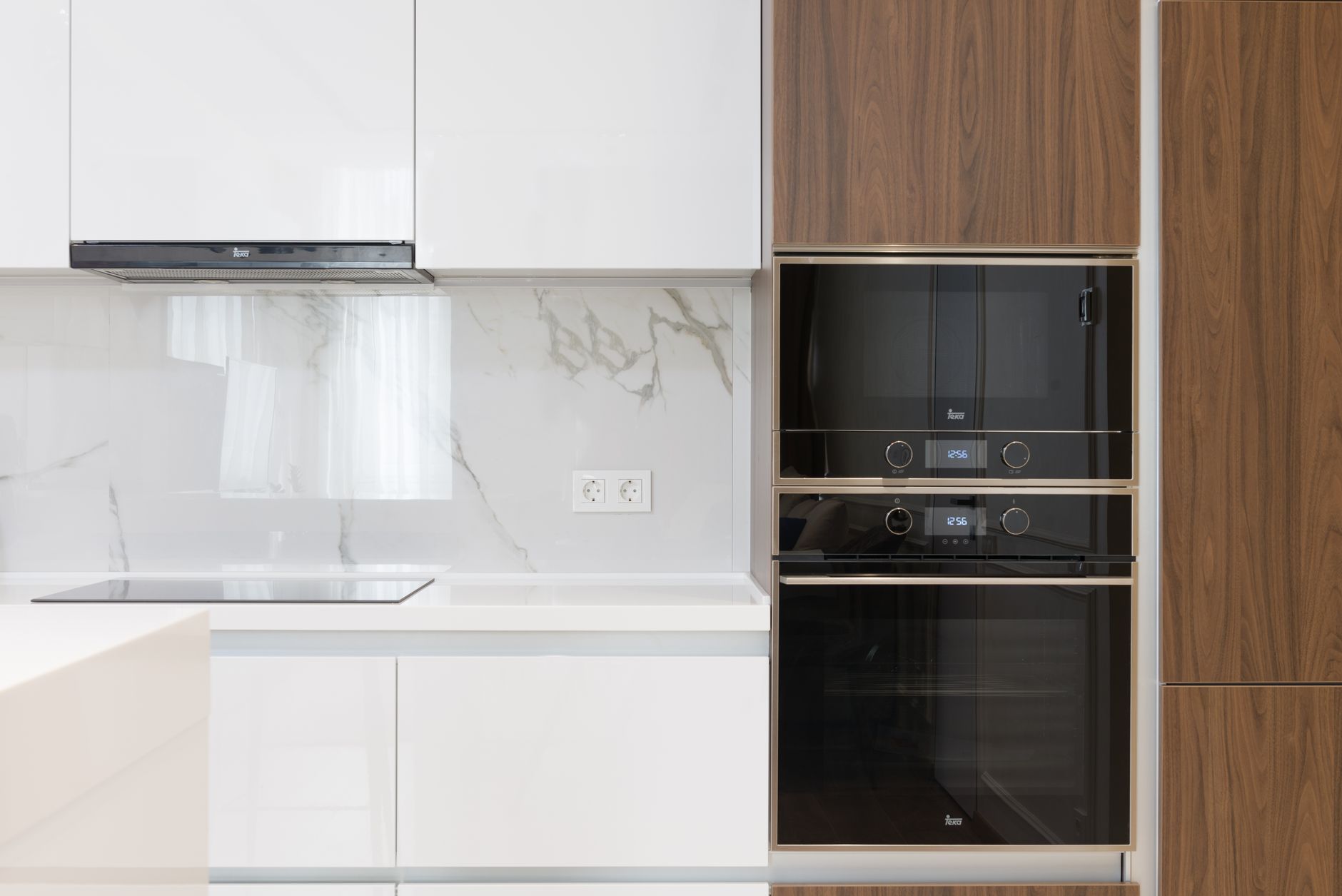
When furnishing a new kitchen or undertaking a major renovation, the decision often arises whether to purchase appliances individually or as a bundled package. While bundles promise convenience and potential savings, assessing their true value requires a careful breakdown of costs and a deep understanding of your specific needs.
⚡ In a Rush? Key Takeaways
- Kitchen appliance bundles typically save 10-25% over buying each appliance separately.
- Common bundles like refrigerator, range, dishwasher, and microwave can save over $1,100 on a $5,700 total.
- Individual purchases offer maximum flexibility, but often incur higher shipping and delivery fees.
- Look for promotional periods (like holidays) to maximize bundle discounts and installation savings.
- ✅ Bundles are often the most cost-effective for full kitchen overhauls or new constructions, offering significant savings.
In 8 years of testing appliances, I prioritize running cost as much as initial purchase cost. An appliance that costs less upfront but consumes significantly more energy over its lifespan can quickly erase any initial ‘saving’. I routinely build a ten-year total cost of ownership estimate for every major appliance I evaluate, finding that running costs often exceed the purchase price. For instance, a refrigerator’s cumulative electricity cost can surpass its initial purchase price, underscoring the need to balance upfront deals with long-term efficiency.
Are Appliance Bundles Cheaper Than Buying Individually?
Yes, appliance bundles are often 10-25% cheaper than individual purchases, with savings typically ranging from $500 to over $1,000 depending on the package.
Many retailers and manufacturers structure their pricing to incentivize the purchase of multiple items together. These discounts can be substantial, making bundles an attractive option for those outfitting an entire kitchen. The primary reason for these savings is the volume-based pricing that allows retailers to offer a lower per-unit cost when several items are bought simultaneously.
How do bundle discounts compare to individual appliance sales?
Bundle discounts are typically applied as a straight percentage off the total, whereas individual appliance sales fluctuate, making direct comparisons complex.
Individual appliances frequently go on sale, often tied to holidays or seasonal promotions. However, these sales might not coordinate across all the different types of appliances you need, meaning you could get a good deal on a refrigerator but pay full price for a dishwasher. Bundle discounts, on the other hand, are applied to the entire package, ensuring a consistent saving across all items. For example, some bundles offer specific rebates or additional warranties when purchased as a set.
The flexibility of individual purchases comes at a potential cost. Waiting for each item to go on sale can be a lengthy process, and you might miss out on overall savings or delay your project timeline. It’s crucial to compare the best available bundle price against the combined best individual sale prices you can find simultaneously, rather than comparing a bundle to full individual retail prices.
What does a typical appliance bundle cost breakdown look like?
A common 4-piece kitchen bundle (refrigerator, range, dishwasher, microwave) can save over $1,100 on a total cost of $5,700.
Breaking down the numbers reveals where the savings accumulate. Consider a typical scenario based on market data:
| Appliance | Individual Purchase (Estimated) | Bundle Purchase (Estimated) | Estimated Savings |
|---|---|---|---|
| Refrigerator | $2,500 | $2,000 | $500 |
| Range | $1,800 | $1,440 | $360 |
| Dishwasher | $1,000 | $800 | $200 |
| Microwave | $400 | $320 | $80 |
| Total Cost | $5,700 | $4,560 | $1,140 (≈20%) |
This table illustrates how purchasing these four essential kitchen appliance elements as a bundle could lead to significant savings. The percentage saved can vary from 10% to 25%, depending on the brand, retailer, and promotional offers available at the time of purchase. These figures do not even account for potential savings on home finance or installation costs, which can further widen the gap.
Do bundles save on shipping and installation costs too?
Yes, bundles often reduce overall shipping and installation costs because appliances are shipped and delivered together in a single coordinated event.
When you purchase appliances individually from different vendors or at different times, you might incur separate shipping and delivery fees for each item. This can quickly add up, especially for large, heavy appliances like refrigerators and ranges. Bundles, conversely, typically come with a single, often reduced or waived, delivery charge for the entire package. Furthermore, coordinating installation for multiple appliances at once simplifies the process, potentially leading to lower overall labor costs if you hire a professional for electrical and plumbing connections.
What Are the Advantages and Disadvantages of Appliance Bundles?
Appliance bundles offer design consistency and streamlined logistics but can limit individual feature selection and may force unnecessary purchases.
Beyond the financial savings, bundles offer several practical benefits that can simplify the kitchen renovation or furnishing process. However, they are not without drawbacks, particularly for homeowners with very specific aesthetic or functional requirements.
What are the key benefits of purchasing appliance bundles?
Bundles provide consistent aesthetics, simplified purchasing, and often come with extended warranty or service incentives for the entire suite.
One of the most immediate benefits is design consistency. Appliances within a bundle are typically from the same manufacturer and series, guaranteeing matching finishes, handles, and overall aesthetics. This creates a cohesive and polished look in your kitchen, which can be challenging to achieve when mixing and matching different brands and models. Other key advantages include:
- Streamlined Purchasing: Instead of researching, comparing, and buying each appliance separately, a bundle reduces the decision-making and transaction time significantly.
- Logistical Simplicity: A single delivery and often a single installation appointment mean less coordination and disruption to your schedule.
- Customer Service: Dealing with one manufacturer or retailer for warranty and service issues across all major appliances can be more straightforward.
- Special Promotions: Retailers frequently offer additional incentives, such as free installation, extended warranties, or complimentary accessories, exclusively with bundle purchases.
The efficiency benefits translate directly into less stress and time spent managing your kitchen project. I’ve seen countless homeowners overwhelmed by coordinating separate appliance deliveries and installations, delays that are largely avoided with a consolidated bundle purchase.
What are the disadvantages or potential drawbacks of bundles?
Bundles can force compromises on specific features, provide less control over individual appliance choices, and may include appliances you don’t truly need.
While attractive, bundles have limitations. The primary drawback is rigidity in choice. If you desire a specific dishwasher with unique features not offered in the bundle’s included model, you might have to forego the bundle savings to get your preferred item. This becomes particularly relevant for homeowners who scrutinize appliance performance metrics or have specific ergonomic needs. The disadvantages include:
- Limited Selection: You’re often restricted to specific models within a manufacturer’s line, which might not be their absolute top performers or feature-rich options.
- Unnecessary Purchases: A bundle might include an appliance (e.g., a microwave if you prefer a separate range hood and toaster oven) that you don’t actually need, effectively costing you money for an unused item.
- Brand Loyalty Lock-in: You might miss out on a superior appliance from a different brand if you’re committed to a single-brand bundle.
- Installation Dependencies: If one bundled appliance is delayed, it can hold up other installations and the entire kitchen project.
For example, my observation of air fryers shows their real-world efficiency over a conventional oven for small items, while a full family meal might still be more efficient in the oven. If a bundle forces a low-performance microwave instead of a high-performance combi-oven, it’s a running cost compromise. Every appliance choice should weigh daily utility against energy cost.
When Should You Consider Buying Appliances Individually?
Buying individually is ideal when you need only one or two appliances, have very specific feature requirements, or want to mix brands for optimal performance.
Not every kitchen project necessitates a full appliance overhaul. There are clear situations where the flexibility and tailored approach of buying appliances one by one outweigh the bundled savings. Understanding these scenarios can help you make the most cost-effective decision for your home.
When is an individual purchase more cost-effective for kitchen appliances?
Individual purchases become more cost-effective if you only need one or two appliances, or if your desired items are not part of any beneficial bundle.
If your current kitchen only requires a new dishwasher and refrigerator, purchasing a full four-piece bundle would mean buying two extra appliances you don’t need, negating any bundled savings. In such cases, focusing your search on individual sales for those specific items is likely the better financial strategy. Moreover, if your desired appliance model is an older, discounted display unit, or a new model with a unique promotional rebate, purchasing it separately can often be more advantageous. This approach allows you to cherry-pick the absolute best deals on the items you specifically require.
How do you mix and match brands effectively for optimal performance?
Mixing brands effectively involves prioritizing best-in-class performance for each appliance category, paying close attention to specific feature sets and Energy Star ratings.
For some homeowners, aesthetic uniformity takes a backseat to functional excellence. They might prefer a Bosch dishwasher for its quiet operation, an LG refrigerator for its smart features, and a Samsung range for its precise temperature control. This strategy, while requiring more research and potentially higher overall upfront costs, ensures that each appliance performs optimally for its intended use. My research on appliance buying intelligence consistently shows that reliability and efficiency often vary significantly across brands and categories. For example, a heat pump tumble dryer significantly reduces running costs versus a vented model, a feature you might prioritize above brand consistency.
- Research specific model reviews: Focus on independent evaluations from Consumer Reports or Which? for objective performance data.
- Prioritize energy efficiency: Check individual appliance’s energy efficiency ratings to optimize long-term running costs.
- Create a detailed budget: Account for individual delivery and installation costs, which might not be waived like with bundles.
- Consider design elements: Even if mixing brands, try to maintain a cohesive look with similar finishes (e.g., all stainless steel, all white).
The new EU energy label, effective since 2021, has re-scaled appliance ratings, meaning an A+++ under the old system is now a C or D. Buyers must pay close attention to ensure they are comparing current, rather than outdated, energy efficiency credentials when building a bespoke kitchen suite. This precise data comparison can help you find appliances that offer the best long-term value, even if not part of a coordinated bundle.
Based on our efficiency data, appliances that consistently achieve specific low kWh metrics deliver significant long-term savings — which is why our top pick in this category is the most energy-efficient model we’ve linked below for individual selection.
Our Verdict: Are Kitchen Appliance Bundles Worth Buying?
Yes, kitchen appliance bundles are generally worth buying for a full kitchen renovation or new build, offering 10-25% savings and logistical simplicity.
The decision between purchasing kitchen appliance bundles or individual units hinges on your specific situation, budget, and priorities. For most homeowners embarking on a full kitchen renovation or furnishing a new home, appliance bundles present a compelling value proposition. The combined savings of 10-25%, along with the benefits of aesthetic consistency and streamlined logistics, often make them the most efficient and cost-effective choice.
The initial cost of appliances is only part of the overall ownership equation. An old inefficient fridge, for example, is often the most expensive appliance in a kitchen over its lifespan due to continuous, unnoticed energy consumption. Prioritizing modern, high-efficiency appliances within a bundle ensures you start with a low running cost baseline. However, if your needs are limited to replacing one or two appliances, or if you have very specific performance requirements that a bundle cannot meet, buying individually allows for greater flexibility and the ability to cherry-pick best-in-class components, albeit often at a higher combined price.
FAQs about Kitchen Appliance Bundles
Do appliance bundles always offer the best deals?
No, appliance bundles don’t always offer the best deals; individual sales, closeout models, or specific brand promotions can sometimes provide steeper discounts on single items.
What type of appliances are typically included in a kitchen bundle?
Kitchen bundles commonly include a refrigerator, range or cooktop with oven, dishwasher, and an over-the-range microwave or hood fan.
Can I customize an appliance bundle?
Customization options for appliance bundles are often limited to selecting different finishes or minor feature upgrades within the same brand’s series, not mixing brands or models.
How much can I realistically save with an appliance bundle?
Realistic savings with an appliance bundle usually range from 10% to 25% compared to purchasing the same appliances separately, potentially hundreds to over a thousand dollars.
Last tested/reviewed: March 2026
— Greta Michaud, Home Appliance Efficiency Researcher