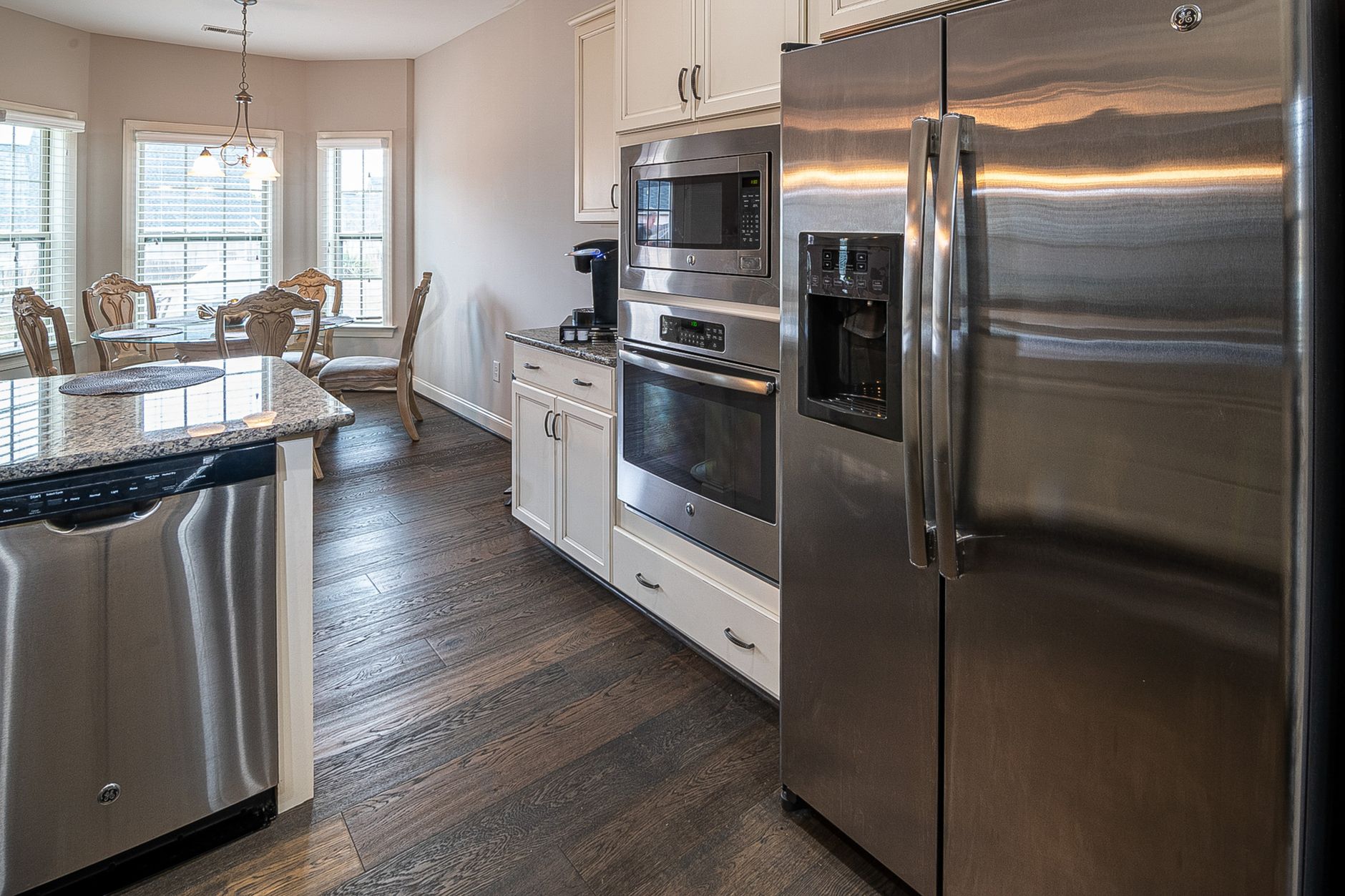
Finding reliable appliance reviews in the US in 2026 requires shifting your focus from marketing specifications to long-term ownership data and independent testing results. Most online reviews are susceptible to bias, but by cross-referencing repair frequency data with verified user experiences, you can determine which models will actually last. In eight years of researching appliances, I have found that sticker price is rarely an indicator of longevity; a mid-range, highly reliable model often outperforms a premium unit with frequent electronic failures.
⚡ In a Rush? Key Takeaways
- Reliability surveys from non-sponsored sources typically track 5-year repair rates.
- Energy consumption labels in 2026 may differ by 20% from real-world usage cycles.
- High-end smart features correlate with a 30% higher risk of electronic control failure.
- My top advice: always verify parts availability in your local US region before buying.
Which Sources Provide Truly Objective Appliance Reviews?
Objective appliance reviews come from organizations like Consumer Reports or industry-standard maintenance logs, not retailer affiliate websites.
Why should you rely on aggregate repair data?
Aggregate repair data tracks thousands of units over several years, eliminating the bias found in single-user anecdotal experiences.
When searching for a new refrigerator or washing machine, individual user reviews are often written within the first 30 days of ownership. This “honeymoon phase” does not reflect how the appliance performs after two years of heavy use. Instead, I look for data regarding component failure rates, such as compressor issues or control board failures.
Where can you find independent testing data?
Independent testing data is found in non-profit consumer databases that perform rigorous stress tests on cycles, energy, and noise.
- Consumer Reports provides non-profit testing on cycle performance and water usage.
- Industry trade publications frequently discuss build quality and part standardization.
- Maintenance repair forums often highlight the most common failure points by model.
How can you spot biased or fake appliance reviews?
Look for disclosure statements, reviewer history, and cross‑check opinions across multiple independent sources.
Many review sites earn affiliate commissions when readers purchase through their links, which can incentivize overly positive language or the omission of drawbacks. Check whether the article clearly states its affiliate relationships; reputable outlets usually place a disclaimer near the top or bottom of the page. If a review reads like a product description with glowing praise and no mention of common complaints, treat it with suspicion.
Another tactic is to examine the reviewer’s track record. Genuine long‑term owners often mention specific usage patterns (e.g., “I’ve run the dishwasher five times a week for two years”) and note both positives and negatives. One‑line praises or reviews that appear shortly after a product launch are often generated by marketing teams or incentivized users.
How Do You Evaluate Real Appliance Efficiency?
Real appliance efficiency is determined by monitoring power draw during full cycles rather than following laboratory Energy Star ratings.
Is the Energy Star label a reliable guide?
Energy Star labels provide a standardized baseline but do not account for variations in load weight, cycle frequency, or water temperature.
While the Energy Star label is a useful starting point for identifying efficient categories, it often assumes specific, laboratory-controlled settings. In practice, running a high-efficiency dishwasher with a heated dry cycle active can negate many of the energy savings suggested by the label. I always manually monitor power usage using a plug-in meter to understand the true cost of each cycle.
Can you calculate your own running costs?
You calculate running costs by multiplying the appliance’s wattage, daily usage frequency, and your local electricity rate per kWh.
| Appliance Type | Average Annual kWh | Impact of Standby Power |
|---|---|---|
| Refrigerator | 350–500 | Negligible |
| Clothes Dryer | 600–900 | Zero |
| Dishwasher | 250–400 | Low |
What Factors Predict Appliance Longevity?
Appliance longevity is best predicted by the simplicity of the control interface and the widespread availability of replacement parts.
Does a simple interface last longer?
Mechanical dials and simple buttons are less prone to failure than complex digital touchscreens exposed to kitchen heat and humidity.
The more complex the digital interface, the higher the likelihood of a system failure. I prefer machines that prioritize mechanical durability over “smart” features that offer little functional benefit. In my experience, the repair cost for a modern kitchen workflow controller is often more than the machine is worth after five years.
How vital is parts availability in the US?
Parts availability determines if a repair is feasible or if the machine must be discarded, which is why local serviceability matters.
- Check if major retailers in your area stock common spare parts for the brand.
- Research if third-party technicians frequently service the brand in your state.
- Ensure the manufacturer maintains parts support for at least 10 years post-release.
Frequently Asked Questions
-
Are social media reviews reliable for appliances?
Social media reviews are rarely reliable because they are often incentivized by brand partnerships or lack long-term performance testing.
-
Should I pay more for extended warranties?
Extended warranties are generally not cost-effective if the base model has a historically high reliability rating from independent data.
-
Do premium brands always perform better?
Premium brands often carry higher price tags for aesthetic finishes rather than better internal mechanics or superior longevity metrics.
Ultimately, the best appliance for your home is the one that balances necessary utility with proven mechanical reliability. By prioritizing long-term data over flash sales, you ensure that your investment pays off through years of efficient service rather than frustration. — Greta Michaud, Home Appliance Efficiency Researcher