How Do Ovens and Ranges Differ in Kitchen Functionality?
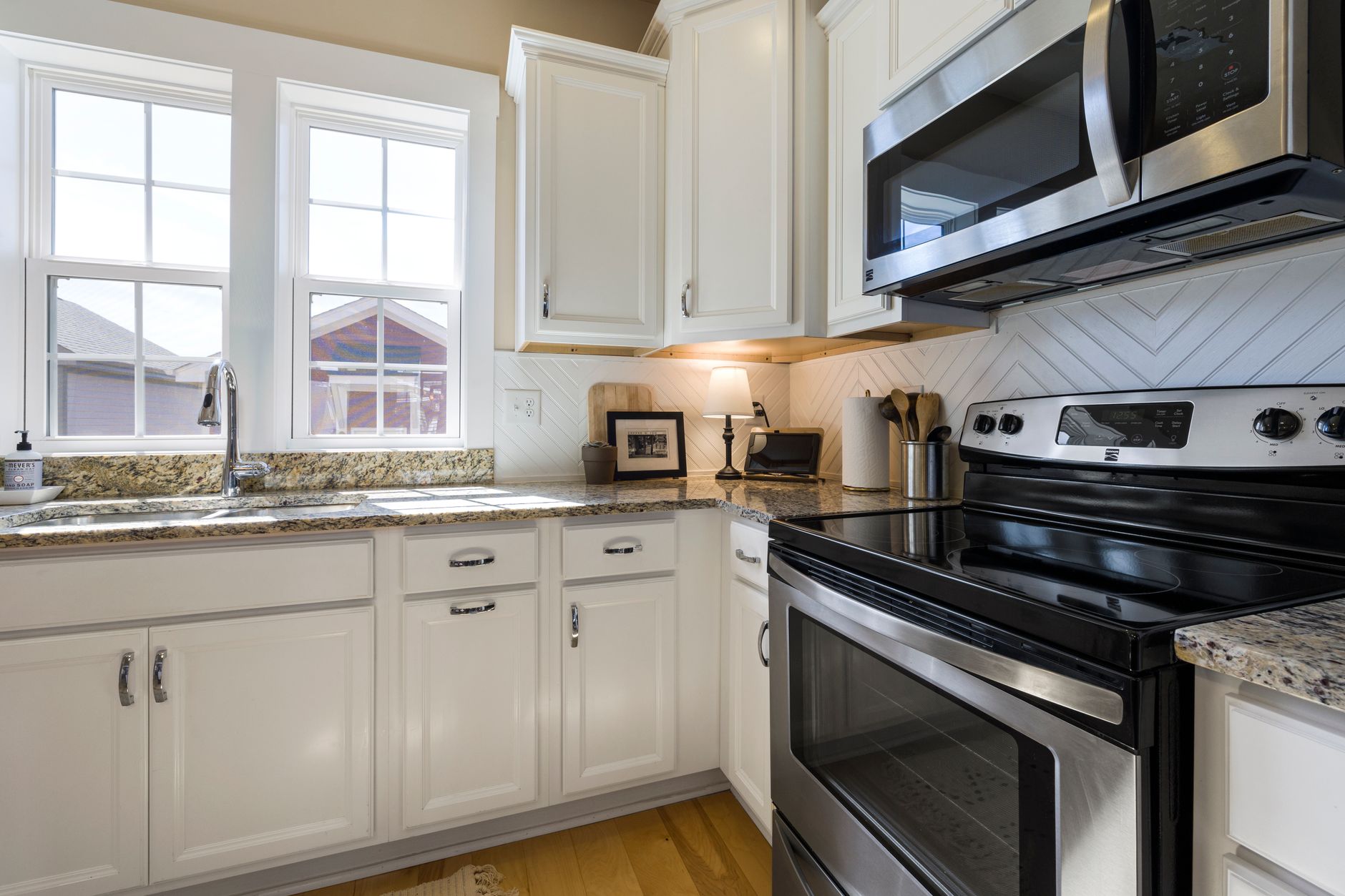
A range combines a cooktop and oven in one unit, whereas a built-in oven is a separate wall-mounted appliance requiring a dedicated cooktop.
Most homeowners default to a range because it consolidates the cooking zone into a single footprint. This is often the most cost-effective solution for a standard kitchen layout, saving you from having to purchase and install two separate appliances. However, a range ties your stove and oven to one location, which may not suit every workflow.
Built-in wall ovens offer significantly more ergonomic benefits, as they can be installed at eye level to eliminate heavy lifting. By separating the oven from the cooktop, you can place your hob exactly where you prep food, creating a more efficient kitchen workflow. This separation also allows for more flexible kitchen zoning, letting multiple people cook simultaneously without crowding a single station.
- Ranges are simpler to install and generally occupy a 30-inch standard gap.
- Built-in ovens require dedicated cabinetry and precise electrical or gas rough-ins.
- Separated systems often increase the total appliance budget by 30-50% compared to a single range.
Does a Range Make Sense for Your Budget?
Ranges are the most economical choice for most homes, costing $600–$3,000, while wall ovens and cooktops often exceed $4,000 total.
If you are looking to maximize your budget without compromising on cooking power, a range is the obvious winner. Because you are buying one unit, you save on both the appliance cost and the additional carpentry needed to house separate appliances. My own experience has shown that mid-range brands often offer excellent features without the premium markup of professional-grade units.
Are Wall Ovens Better for Ergonomics?
Wall ovens installed at counter or eye level prevent the need to bend down, providing superior comfort for long-term daily use.
If you find yourself roasting items regularly, the height of a wall oven is a major advantage. You don’t have to hunch over to check a heavy turkey or a tray of cookies. This is particularly valuable for aging in place or for those with chronic back pain.
Which Fuel Type Offers Better Efficiency in 2026?
Gas ranges offer immediate heat response, while electric induction models deliver superior energy efficiency and faster boil times.
Induction technology has shifted the landscape of cooking efficiency in 2026. By using electromagnetic fields to heat the pan directly, induction cooktops lose far less energy than traditional gas or electric radiant surfaces. I have observed that my water boiling times on induction are consistently 30-40% faster than on my previous gas range, which drastically reduces total energy usage per meal.
When you are evaluating fuel options, remember to factor in the installation costs for your specific home. Gas requires a plumbed line, while induction often needs a higher-amperage dedicated electrical circuit, which can involve expensive upgrades to your breaker panel. Always check your home energy costs to see which utility rate is cheaper in your region.
Why Choose Induction Over Radiant Electric?
Induction is 85-90% energy-efficient, whereas radiant electric surfaces typically hover around 70% due to significant heat dissipation.
The speed of induction is its most lauded feature, but the precision is what I appreciate most. You can move from a rolling boil to a gentle simmer instantly. Because the surface of the cooktop stays relatively cool, accidental spills don’t bake onto the glass, making cleanup much faster than other appliance types.
- Induction surfaces are safer as they do not produce open flames.
- Cleaning an induction cooktop takes roughly 60 seconds with a damp cloth.
- Induction pans must be magnetic to work, which might require new cookware.
Is Gas Still a Viable Option for Professional Cooks?
Gas remains the industry standard for heat control flexibility, though it requires effective ventilation to manage indoor air quality.
Professional kitchens lean toward gas because it provides an immediate visual feedback of heat intensity. However, for a standard residential kitchen, the ventilation requirements can be stringent. You must ensure you have a high-CFM range hood to properly exhaust combustion byproducts, which is a significant factor in total project cost.
What Are the Frequently Asked Questions About Ovens?
-
Can I switch from a range to a wall oven easily?
Switching usually requires significant cabinetry modifications, electrical rewiring, and countertop cutting, often costing over $1,500.
-
How long should I expect a modern range to last?
With regular maintenance, most quality ranges provide 12-15 years of reliable service before requiring major component replacements.
-
Is it cheaper to run an electric oven or a gas oven?
Electric ovens generally heat more consistently, but gas is often cheaper per BTU depending on your local utility service rates.
Common concerns include installation feasibility, long-term repair costs, and specific energy savings for different models.
Conclusion
Selecting the best cooking unit depends on your specific kitchen footprint, your preferred fuel source, and your long-term budget.
Whether you choose a consolidated range or a split wall-oven system, the best choice is the one that fits your daily cooking cadence. Focus on energy efficiency ratings and build quality over aesthetic trends. When properly cared for, your chosen unit should anchor your kitchen for well over a decade.