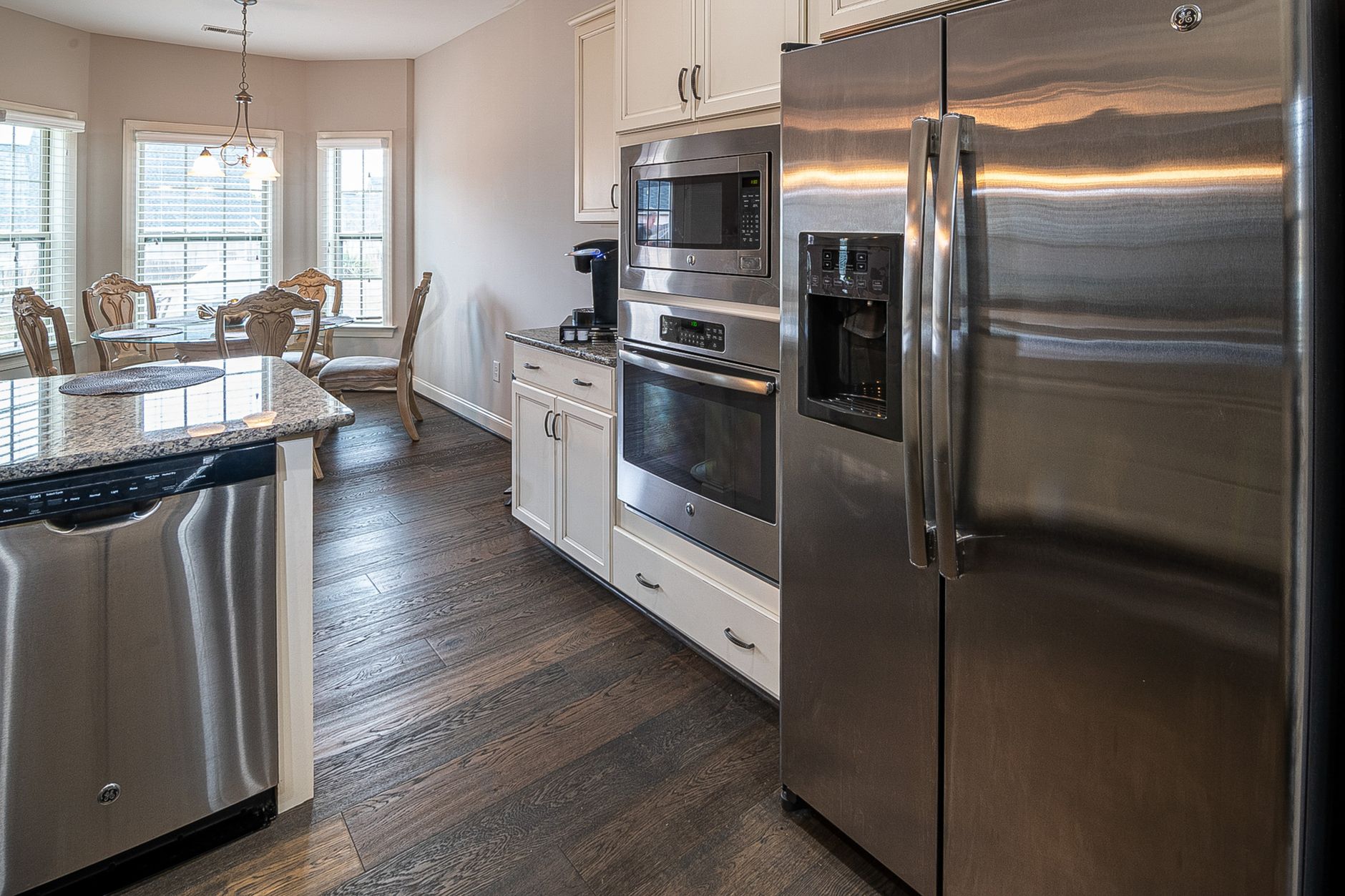
Finding reliable appliance reviews in the US requires focusing on long-term performance data rather than initial aesthetic appeal or manufacturer-sponsored marketing copy. By prioritizing third-party testing metrics and real-world durability records, you can bypass the noise of influencer campaigns and identify models that actually lower your running costs.
⚡ In a Rush? Key Takeaways
- Independent testers track energy use that often exceeds manufacturer ratings by 15-20%.
- Repair records show that higher purchase prices don’t always correlate with lower repair needs.
- Total cost of ownership over 10 years is a better metric than initial sticker price.
- ✅ Use non-sponsored, long-term testing sites to verify if a unit matches your needs.
Where Should You Look for Truly Independent Appliance Reviews?
Independent reviews originate from technical testing organizations or consumer advocacy groups that buy products anonymously for assessment.
Why are consumer testing organizations the most reliable?
These organizations purchase appliances at retail prices to ensure manufacturers cannot influence the performance results during the testing.
When you read reviews from organizations like Consumer Reports, you are seeing data derived from machines treated like typical household items. They test for cycle consistency, energy efficiency, and noise levels under controlled, yet realistic, conditions. This prevents the bias that often creeps into sponsored content or retailer-hosted reviews.
- Anonymous purchasing prevents “cherry-picked” review units.
- Standardized laboratory testing ensures consistent data across different brands.
- Focus is maintained on longevity, not just feature-rich gimmicks.
How do independent blogs and researchers offer value?
Specialized researchers often provide long-term “living with” updates that catch issues labs might miss in a few weeks of use.
I have spent over eight years tracking the efficiency of home appliances in my own home, and there is immense value in consistent, long-term usage data. While a lab can measure the efficiency of a dryer cycle, a long-term reviewer can tell you if the lint trap design becomes a maintenance headache after six months of constant use. Look for writers who explicitly discuss the full lifespan costs of the units they own.
What Should You Ignore When Reading Appliance Reviews?
Ignore reviews focusing on “unboxing” experiences or superficial features that do not affect the machine’s primary functional work.
Why should you avoid retailer-hosted reviews?
Retailer-hosted comments are frequently biased by user error or are written within days of purchase before long-term faults surface.
It is tempting to look at the star rating on a big-box store website, but these often reflect “new toy syndrome.” A user might rate a machine five stars simply because it looks good in their kitchen or arrived on time. True reliability only shows itself once the machine has been pushed through hundreds of heavy laundry cycles or kitchen tasks.
| Feature | Ignore This | Prioritize This |
|---|---|---|
| Aesthetics | Chrome finish | Ease of cleaning |
| Controls | LED screen size | Manual override options |
| Noise | Marketing dB claims | Independent sound testing |
How can marketing “influencer” content mislead you?
Influencers often receive compensation to feature products, which removes the incentive to provide critical, balanced performance data.
When a content creator receives a free appliance for a “review,” they rarely have the budget or time to test it for a year. Their content is almost always designed to highlight ease of use rather than durability or energy consumption. Always look for disclosure statements; if you see one, understand that the content is primarily promotional, not investigative.
How Do You Calculate the Real Cost of an Appliance?
Calculate the true cost by adding the purchase price to the projected energy and maintenance costs over ten years of ownership.
Why is the initial sticker price the least important number?
An inefficient machine that costs $500 less initially can easily consume an extra $800 in electricity over a ten-year lifespan.
The total cost of ownership is the only figure that matters for your budget. You must factor in local electricity rates and the machine’s rated kWh usage per cycle. Sometimes, the more expensive unit is actually the budget-friendly choice when you run the long-term math.
- Calculate annual energy draw using your local utility rate.
- Research common repair part costs for the brand.
- Check the warranty coverage for the motor or compressor.
When is the cheapest model the best financial choice?
The entry-level model is often the best choice if it features simple, mechanical controls that are inexpensive to repair later.
Complex digital interfaces and touch screens are the first components to fail in modern appliances. If you want a machine that stays in your home for 15 years, look for “dumb” appliances that prioritize core mechanical performance over connectivity. These units rarely appear in the “most popular” lists, but they are the workhorses of the industry.
Frequently Asked Questions
-
Are star ratings reliable?
No, star ratings lack context regarding user maintenance habits and typically only reflect the buyer’s initial satisfaction level.
-
Should I trust the manufacturer’s energy efficiency label?
They are a good baseline, but real-world usage under heavy loads usually results in higher consumption than laboratory labels show.
-
Why do repair technicians have the best reviews?
Repair technicians see the same machines break repeatedly, making their anecdotal evidence the most accurate source for reliability.
-
Is it worth paying for an extended warranty?
Extended warranties are rarely worth the cost if you research highly reliable models and practice simple, regular maintenance routines.
Last reviewed: March 2026 — Greta Michaud, Home Appliance Efficiency Researcher