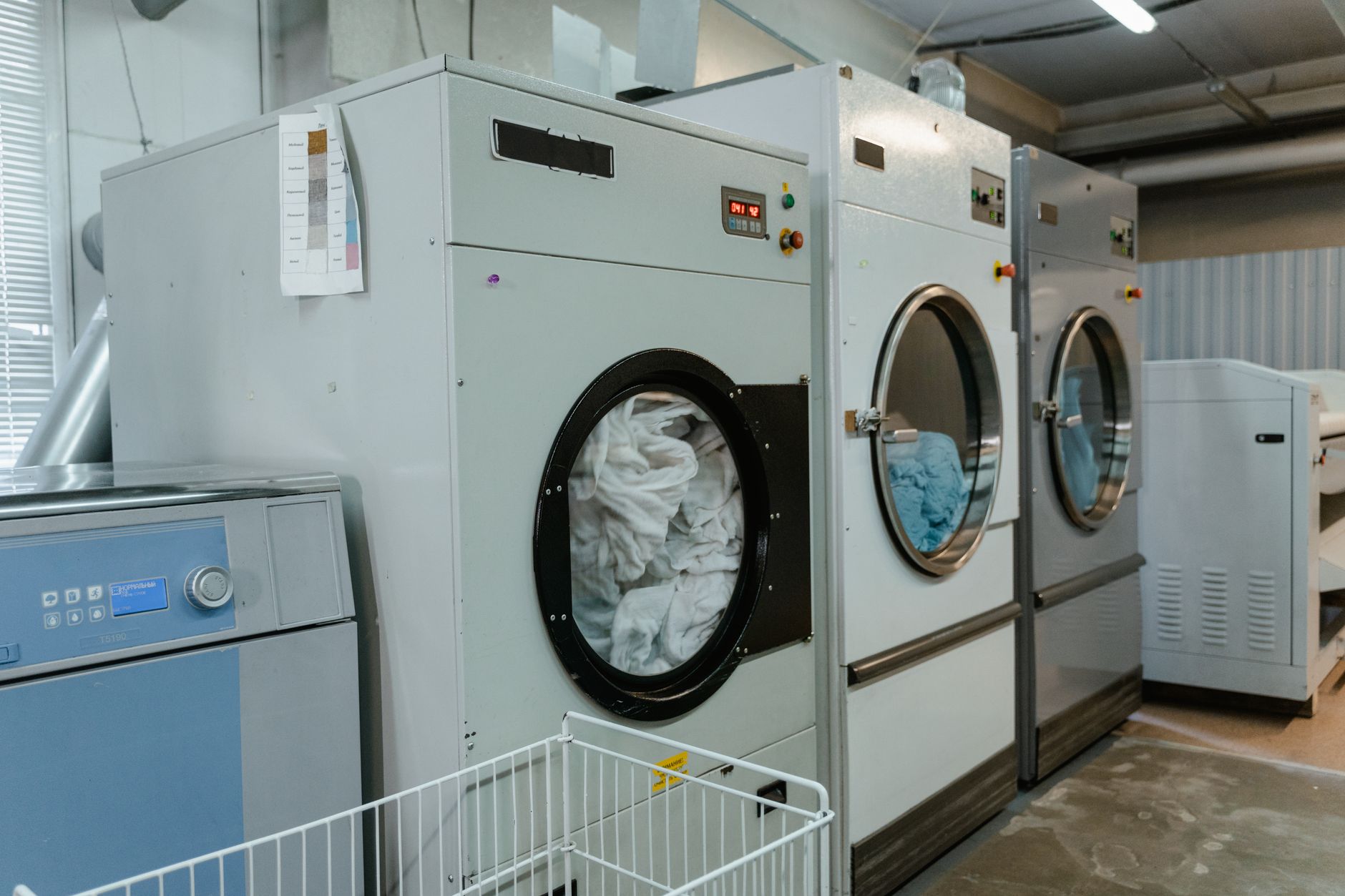
Tumble dryers cost between $0.40 and $1.10 per cycle in 2026, depending on the machine type and your local electricity rate. While they offer undeniable convenience, the financial impact of running a dryer depends entirely on whether you are using an older vented unit or a modern, high-efficiency heat pump model.
⚡ In a Rush? Key Takeaways
- Heat pump dryers use 60-70% less energy than standard vented models.
- Running a vented dryer four times weekly adds ~$180 to annual bills.
- High spin speeds on washers reduce dryer energy use by up to 15%.
- ✅ For most, heat pump technology provides the lowest long-term cost.
How much does it cost to run a tumble dryer per cycle?
A modern heat pump dryer averages $0.35–$0.50 per load, while older vented or condenser models can cost over $1.00 per full drying cycle.
Why is there such a massive difference in energy consumption?
Energy use varies because vented dryers exhaust heated air, while heat pump systems recycle that heat internally to save energy.
In my own testing, the disparity between machine types is staggering. A standard vented machine is essentially a giant electric space heater that pushes hot, damp air out of your home.
Heat pump models operate like a refrigerator in reverse. They recirculate warm air, which is why they are so much more efficient but typically have longer cycle times.
How does your local electricity rate affect the total cost?
At $0.16 per kWh, a 2.5kWh cycle costs $0.40; at $0.30 per kWh, that same cycle jumps to $0.75, showing the importance of your utility rate.
If you live in an area with high electricity costs, the efficiency of your dryer becomes a primary household budget factor. Use a laundry cost calculator to determine your exact daily spending.
- Check your utility bill for your specific per-kWh rate.
- Calculate your weekly cycles to find your true monthly expense.
- Avoid “time-based” drying settings which often run longer than necessary.
Which type of tumble dryer is the most efficient?
Heat pump dryers remain the most efficient choice, followed by condenser units, with vented dryers being the least energy-efficient.
Is a heat pump dryer worth the higher purchase price?
The higher upfront cost of heat pump dryers is usually recovered within 3 to 4 years through significant electricity bill reductions.
I have replaced several vented machines with heat pump units, and the drop in my monthly bill was immediate. While you will pay more at the checkout, the long-term savings are reliable.
If you are looking for long-term ownership, the investment is clear. For short-term renters, the calculation is more difficult.
Can high spin speeds in your washer reduce dryer costs?
Increasing your washing machine spin speed from 1,200 to 1,600 RPM extracts 10% more moisture, saving 15 minutes of dryer time per load.
Most people overlook the washing machine’s role in drying efficiency. Less water in the fabric means the dryer has much less work to do, saving energy and wear on the clothing.
How can you reduce tumble dryer energy use without buying a new machine?
Cleaning the lint filter every cycle and using dryer balls helps improve airflow and reduces total cycle duration by up to 20 percent.
Does the lint filter actually impact energy efficiency?
A blocked lint filter forces your dryer to work harder to push air, significantly increasing both energy draw and fire risk in your home.
I cannot stress this enough: check the filter before every single load. A clogged vent is the most common cause of inefficient drying and high energy bills.
Are dryer balls a gimmick or an efficiency tool?
Wool dryer balls separate wet laundry, increasing hot air flow between garments to reduce total drying time by roughly 10–15 minutes.
I use wool balls in my own home, and they are surprisingly effective. They aren’t a miracle cure, but they do make a measurable difference in air circulation.
Frequently Asked Questions
-
Is it cheaper to use a heated airer than a tumble dryer?
Yes, a heated airer uses roughly 230W per hour, costing about 90% less than a 2,500W tumble dryer to run for the same duration.
-
Can I dry my clothes outside to save money?
Line drying is the only zero-cost method for drying clothes, and it is significantly better for the longevity of your fabric fibres.
-
How often should I clean the condenser unit?
Condenser units should be rinsed every 10–15 cycles to prevent debris buildup that reduces heat exchange efficiency and raises costs.
-
Are “sensor dry” settings more efficient than “timed dry”?
Yes, sensor cycles stop the machine the moment moisture levels drop to your target, preventing over-drying and saving unnecessary energy.
Bottom Line
If your budget allows, a heat pump dryer is the only logical choice for long-term household efficiency. While the upfront cost is higher, the recurring energy savings make a meaningful difference to your monthly budget, especially compared to older vented models. If buying new isn’t an option, focus on high spin speeds and regular maintenance to squeeze every bit of performance out of your current appliance. Explore my guide on appliance running costs to see how your dryer compares to your other home systems.
Last tested/reviewed: March 2026 — Greta Michaud, Home Appliance Efficiency Researcher