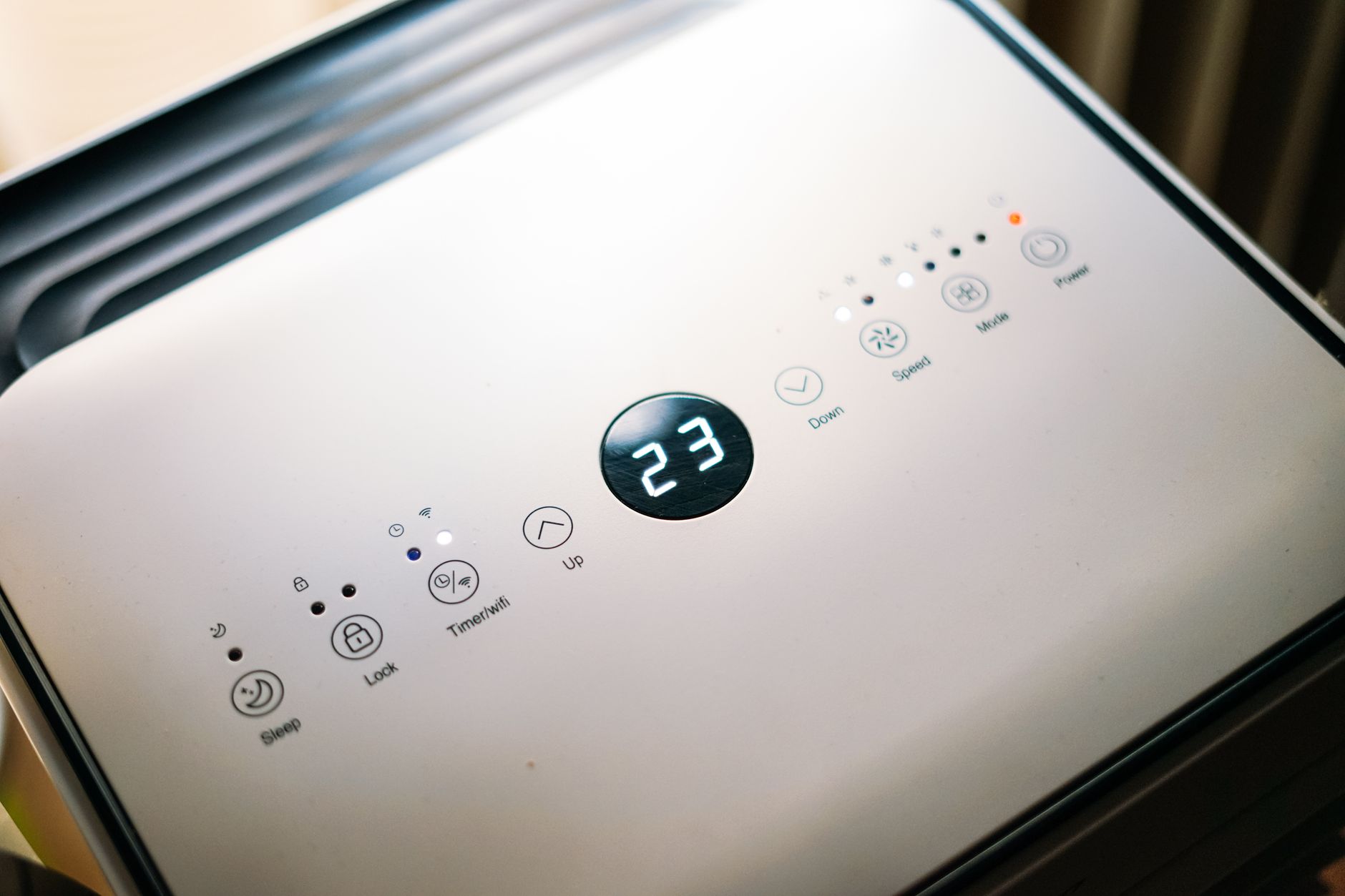
A dehumidifier is worth the investment if your home consistently maintains relative humidity levels above 60%, as it prevents mould growth and structural damage. While these appliances consume electricity, the long-term cost of repairing moisture-related issues like peeling paint, warped timber, and health-related remediation significantly outweighs the monthly energy bill.
⚡ In a Rush? Key Takeaways
- Standard residential dehumidifiers consume between 250W and 700W per hour depending on the technology used.
- Maintaining humidity at 50% can reduce heating costs by roughly 10% because dry air is easier to warm.
- Refrigerant models are most efficient in warmer rooms, while desiccant units excel in cool basements or garages.
- ✅ Use a dehumidifier if you see condensation on windows or feel dampness; target 45–50% relative humidity.
How Much Does It Cost to Run a Dehumidifier?
Running a dehumidifier costs between $0.04 and $0.12 per hour, resulting in a monthly bill of $15–$45 based on standard US electricity rates.
What Determines the Hourly Energy Draw?
Energy draw is determined by compressor type, fan speed, and target humidity settings, with refrigerant models using the least power.
The wattage of your unit dictates its draw, but how hard the compressor works changes based on the humidity levels in the room. In high-humidity environments, the compressor runs continuously, pushing the appliance to its maximum rated wattage.
Once the room hits your target humidity, the unit will cycle off or enter a low-power fan mode. This cycling is the primary reason why high-capacity units are often more efficient; they clear the air faster and spend more time in standby.
- Refrigerant (compressor) units: 250W–500W
- Desiccant (thermal) units: 400W–700W
- Standby/Fan-only mode: 10W–30W
Is There a Difference Between Refrigerant and Desiccant Costs?
Refrigerant models are cheaper in warm spaces, while desiccant models offer consistent performance in rooms below 15 degrees Celsius.
Refrigerant models work like a fridge, cooling coils to condense moisture. They are highly efficient when the room is warm but lose effectiveness as temperatures drop toward freezing.
Desiccant units use a chemical wheel to absorb moisture. They are less energy-efficient but do not rely on room temperature, making them the better choice for garages or unheated basements. If you are trying to understand your home energy efficiency, choosing the right technology for your climate is essential.
How Do You Select the Right Capacity for Your Home?
Capacity is measured in pints removed per 24 hours, with 20 to 50-pint models covering most residential needs up to 2,000 square feet.
Why Does Room Size Dictate Pint Capacity?
Under-sized units run indefinitely without ever hitting target humidity, wasting electricity and shortening the appliance lifespan.
A unit that is too small for your space will never trigger the automatic shut-off cycle. This leads to a higher total daily energy cost compared to a larger unit that finishes the job in three hours.
If you are trying to manage moisture in a basement, consider if you have maintenance issues like leaky pipes or poor foundation drainage. A dehumidifier should supplement a dry home, not mask a significant water intrusion issue.
Should You Use a Built-in Humidistat?
A built-in humidistat is mandatory for efficiency as it allows the unit to cycle off automatically once your target is reached.
Without a built-in humidistat, you are manually guessing when to turn the unit off. This inevitably leads to the unit running when it is not needed, which is the fastest way to inflate your monthly electricity expenses.
How Can You Optimize Dehumidifier Performance?
Optimize efficiency by sealing room leaks, placing the unit in a central location, and cleaning the filter every two weeks.
Does Proper Placement Improve Efficiency?
Place your unit at least six inches away from walls to ensure maximum airflow and efficient heat dissipation from the coils.
Airflow is critical. If the intake is blocked by furniture or the unit is tucked into a tight corner, the sensor will get an inaccurate reading. This prevents the unit from cycling efficiently.
For optimal results, ensure the unit is on a level surface. If you are interested in tracking the exact cost of your appliance, using a smart plug with energy monitoring is the most accurate way to verify your appliance efficiency metrics.
What Maintenance Tasks Reduce Energy Consumption?
Cleaning the air filter every two weeks prevents the fan from overworking, which keeps energy consumption at the manufacturer spec.
- Vacuuming the dust from intake grilles
- Emptying the bucket before it hits the high-water float
- Checking for ice build-up on the condenser coils
- Replacing the air filter every three to six months
Frequently Asked Questions
-
Can a dehumidifier replace air conditioning?
A dehumidifier cannot replace air conditioning, though it makes a room feel cooler by removing moisture from the air.
-
Do I need to leave a dehumidifier on 24/7?
You do not need to run it 24/7 once your desired humidity level is reached, provided the room has a decent seal.
-
Will a dehumidifier raise the room temperature?
Yes, the compressor and motor generate heat, usually increasing room temperature by 3 to 5 degrees during operation.
-
What is the ideal humidity for a home?
The ideal indoor relative humidity is between 40% and 50% to prevent mould while maintaining comfort for residents.
Conclusion
Dehumidifiers are highly effective tools, but they require informed usage to keep running costs manageable. By selecting the right technology for your room temperature and ensuring the unit is appropriately sized, you can protect your home’s structure without excessive energy waste. Always prioritize units with an integrated humidistat, and maintain your filters to keep the appliance running as efficiently as the day you bought it. — Greta Michaud, Home Appliance Efficiency Researcher