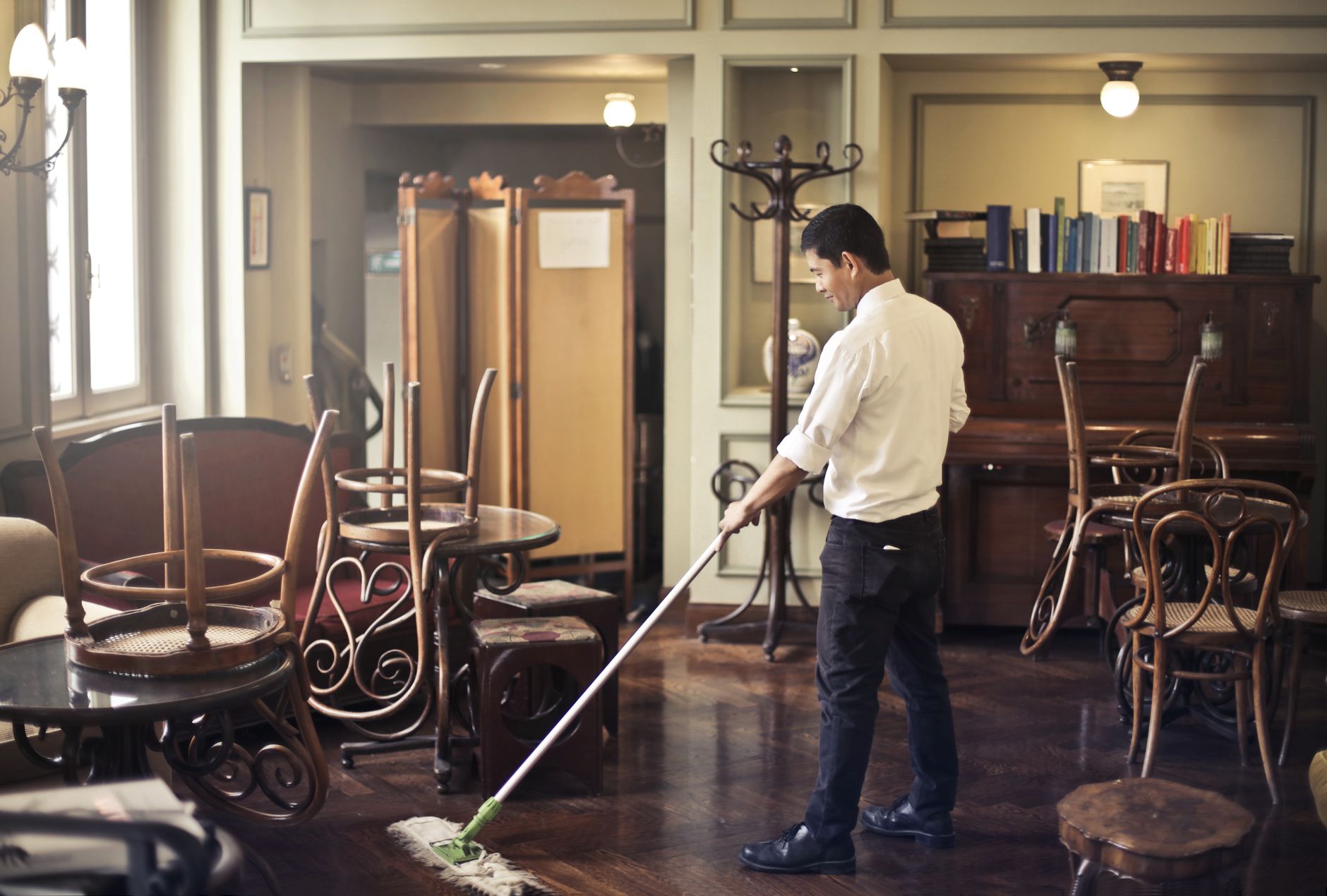
Steam mops provide a chemical-free way to sanitize sealed hard floors by using high-temperature water vapor to break down grime and bacteria. They are significantly more efficient than traditional mops for households with high traffic or pets, though they require specific floor types to avoid damage from heat and moisture.
⚡ In a Rush? Key Takeaways
- Steam mops operate at roughly 1,200–1,500 watts, costing about $0.15–$0.25 per hour.
- They eliminate the need for liquid floor cleaners, saving $30–$50 annually.
- Heat vapor sanitizes 99.9% of bacteria on sealed floors without chemical residue.
- ✅ Best value: Choose a model with variable steam control to protect delicate surfaces.
How Much Does It Cost to Run a Steam Mop?
Operating a steam mop costs between $0.15 and $0.25 per hour in electricity, far less than the cost of ongoing liquid cleaning agents.
Is a steam mop cheaper than using floor cleaning solutions?
Yes, steam mops remove the recurring monthly expense of bottled floor cleaners, which typically total $30 to $50 per year for households.
When I tracked my own cleaning habits, I realized the hidden cost wasn’t just the electricity, but the endless cycle of buying specialty detergents. Once you own a steam mop, your only running cost is the electricity used to heat the water and the occasional replacement of the microfiber pads.
Does the wattage of a steam mop affect your utility bill?
Most steam mops pull 1,200 to 1,500 watts, but because they run for short bursts, the total impact on your monthly bill is negligible.
For a typical 20-minute cleaning session, you are consuming less than 0.5 kWh of energy. At current average residential rates, this is an investment of only a few pennies per use. For more tips on managing your home energy, see our guide on optimizing household electricity usage.
Which Floors Are Safe for Steam Mop Usage?
Steam mops are ideal for sealed hardwood, tile, and stone, but they should never be used on unsealed wood, laminate, or wax-finished floors.
Can you use a steam mop on hardwood floors?
Only if the hardwood is sealed and in good condition, as excess moisture or heat can force steam into seams and cause permanent warping.
I personally stick to a “low steam” setting on my sealed oak floors to minimize moisture exposure. If your sealant is wearing thin, I would strongly advise against steam cleaning to prevent long-term water damage. If you are struggling with maintenance, check our maintenance efficiency hub for floor care tips.
Why should you avoid using steam on laminate flooring?
Laminate flooring is constructed from compressed wood fibers that absorb moisture rapidly, leading to swelling, buckling, and joint damage.
- Steam forces moisture into the click-lock seams of laminate boards.
- Heat can cause the top wear layer to delaminate or peel away over time.
- Drying time is often too slow to prevent moisture absorption in high-traffic areas.
How Do Steam Mops Improve Cleaning Efficiency?
Steam mops minimize physical labor by loosening dirt with thermal energy, reducing the need for scrubbing or multiple passes on tiled surfaces.
Is sanitization with steam actually effective?
Steam temperatures above 200°F are highly effective at neutralizing common household bacteria like E. coli and salmonella on hard surfaces.
This thermal sanitation is why I prefer steam in the kitchen and entryways. It provides a deeper level of clean than a standard mop can offer, especially for pet owners. For broader cleaning systems, you might want to look at our cleaning systems guide.
How does steam reduce chemical usage in the home?
Steam uses nothing but plain tap water, completely eliminating the need for synthetic fragrances and potentially irritating chemical surfactants.
- Reduces indoor air pollution from aerosolized cleaning chemicals.
- Safe for homes with crawling infants or pets with sensitive paws.
- Leaves no sticky residue that attracts more dirt over time.
Choosing the Right Steam Mop: Key Features to Consider
When selecting a steam mop, look beyond price to features that affect usability, safety, and longevity.
Variable steam control lets you adjust output for delicate sealed hardwood versus tougher tile grout, preventing moisture damage while still delivering sanitizing power. A larger water tank (typically 350–500 ml) reduces refill frequency, beneficial for whole‑house cleaning sessions.
Other practical considerations include heat‑up time (most models reach steam in under 30 seconds), cord length for reach, weight for maneuverability, and the availability of accessories such as carpet gliders, scrubbing brushes, or detachable handheld units for above‑floor tasks.
Frequently Asked Questions
-
Do I need to use distilled water in my steam mop?
Yes, using distilled water prevents mineral buildup and scaling inside the heating element, extending the lifespan of your steam mop significantly.
-
How often should microfiber pads be replaced?
Microfiber pads usually last for 30 to 50 wash cycles, depending on the floor texture and the amount of debris picked up during cleaning sessions.
-
Will a steam mop remove tough, stuck-on stains?
Steam mops excel at loosening dried spills, but they may require a “dwell time” where you hover the head over the stain for 15 seconds.
-
Can steam mops be used on carpets?
Some models include a carpet glider attachment, though steam mops are designed for surface cleaning and not deep-cleansing carpets or upholstery.
Common concerns about steam mop performance include maintenance requirements, pad replacement needs, and long-term effects on various floor finishes.
In my experience, the steam mop has been a valuable addition to my maintenance routine, provided I am careful about the floor surface type. It turns a chore I used to dread into a swift process that requires no drying time. — Greta Michaud, Home Appliance Efficiency Researcher