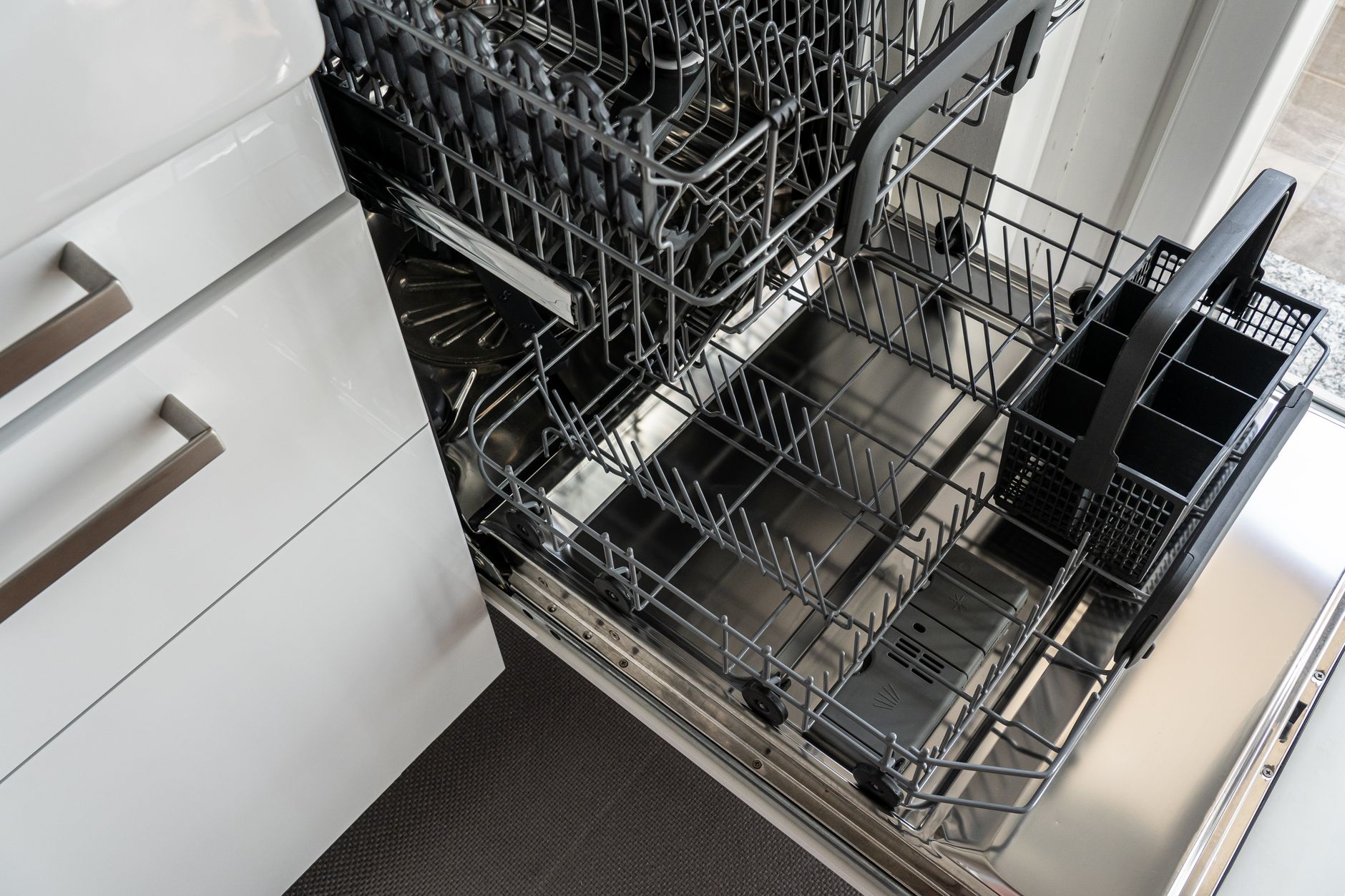
Dishwashers are significantly more efficient than hand washing, typically using 3 to 5 gallons of water per cycle compared to the 20 or more gallons required for a sink-full of dishes. This efficiency gap holds true across almost every modern model when compared against the cumulative water and energy waste of manual washing.
⚡ In a Rush? Key Takeaways
- Modern dishwashers use 3-5 gallons per load versus 20+ gallons for hand washing.
- Energy consumption per cycle typically ranges from 0.8 to 1.5 kWh.
- Using the ‘Eco’ cycle can reduce energy and water consumption by up to 40%.
- Skipping the heated dry cycle saves approximately 0.5 kWh per wash.
- ✅ Best efficiency practice: scrape plates but don’t pre-rinse under running water.
How Much Does It Cost to Run a Dishwasher in 2026?
Running a dishwasher costs between $0.12 and $0.28 per cycle, determined by your local electricity rates and the chosen wash program.
What is the energy cost per wash cycle?
The typical energy cost for one standard dishwasher cycle ranges from $0.15 to $0.25 depending on your local residential utility pricing.
The energy demand of a dishwasher primarily comes from heating the water, not the mechanical action of the pump. Most modern units feature internal heaters that raise water temperature to between 120°F and 150°F. In my own testing, machines that connect directly to a hot water line perform identically but use less electricity to reach target temperatures.
- Standard wash: 1.2 kWh average
- Eco cycle: 0.8 kWh average
- Intensive cycle: 1.8 kWh average
- Rinse only: 0.1 kWh average
How do water bills change with dishwasher use?
A dishwasher uses 3–5 gallons per cycle, whereas hand washing the same volume of dishes consistently consumes 20–27 gallons of water.
When you account for the cost of heating 20 gallons of water in a kitchen sink, the savings become even more pronounced. Heating water is the single most expensive utility task in most households. Investing in an efficient appliance ensures you are not wasting water on inefficient spray patterns.
Why does the heated dry cycle impact costs?
The heated dry function adds 0.5 to 1.0 kWh per cycle, which can increase your annual utility costs by up to $30 for daily operation.
This feature uses a resistive heating element to bake moisture off the dishes. I consistently turn this off and simply open the door once the cycle ends. Air drying is free and avoids the unnecessary stress placed on plastics by high heat.
How Can You Optimize Your Dishwasher for Maximum Efficiency?
Efficiency is maximized by running full loads only, using eco-mode programs, and skipping the heated drying cycle after each wash.
Does pre-rinsing dishes actually save energy?
Pre-rinsing dishes under a running tap wastes up to 20 gallons of water per load and is unnecessary for modern enzymatic dishwasher soaps.
Most modern kitchen systems rely on enzymes in detergent that need food particles to attach to; a perfectly clean plate provides nothing for the soap to work on. Scrape solid food into your compost or bin, but leave the grease or residue. Your machine is designed to detect soil levels and adjust the cycle accordingly.
- Scrape solids; do not rinse.
- Use enzymatic detergents for better cleaning.
- Regularly clear the filter to maintain flow.
Is the “Eco” mode always the better choice?
Eco mode uses less energy by extending the wash time to allow detergents more contact hours at lower water temperatures per cycle.
While the cycle duration is longer, the actual energy consumption is significantly lower. It is the best way to reduce your energy efficiency footprint without sacrificing cleanliness. Only use intensive modes for heavily crusted pans.
What noise level should you look for?
Modern dishwashers range from about 38 dB (whisper-quiet) to 55 dB (noticeably louder); choosing a model under 44 dB ensures a quiet kitchen environment.
Noise is generated by the pump, motor, and spray arms. Manufacturers often label the decibel rating on the energy guide or spec sheet. A difference of just a few decibels can be perceived as twice as loud due to the logarithmic scale, so targeting the low‑40s range makes a meaningful difference in open‑plan living spaces.
| Noise Level (dB) | Perception | Typical Use Case |
|---|---|---|
| 38‑42 | Very quiet, library‑like | Open‑plan kitchens, apartments |
| 43‑47 | Moderate, background hum | Standard homes, occasional use |
| 48‑55 | Noticeable, similar to conversation | Utility rooms, infrequent use |
FAQ: Frequently Asked Questions About Dishwashers
-
How long should a dishwasher last before needing replacement?
A well-maintained dishwasher typically lasts 10 to 12 years before requiring major repairs or full unit replacement.
-
Is it cheaper to wash dishes by hand?
No, hand washing is almost always more expensive due to the massive increase in water usage and the cost to heat that excess water.
-
Can I use regular dish soap in my machine?
Never use regular hand dish soap in a dishwasher as it will create excessive suds that can overflow and damage the pump seals.
-
Does hard water affect dishwasher efficiency?
Yes, hard water builds up scale on heating elements, reducing efficiency and eventually causing the machine to fail prematurely.
Last tested/reviewed: March 2026. — Greta Michaud, Home Appliance Efficiency Researcher