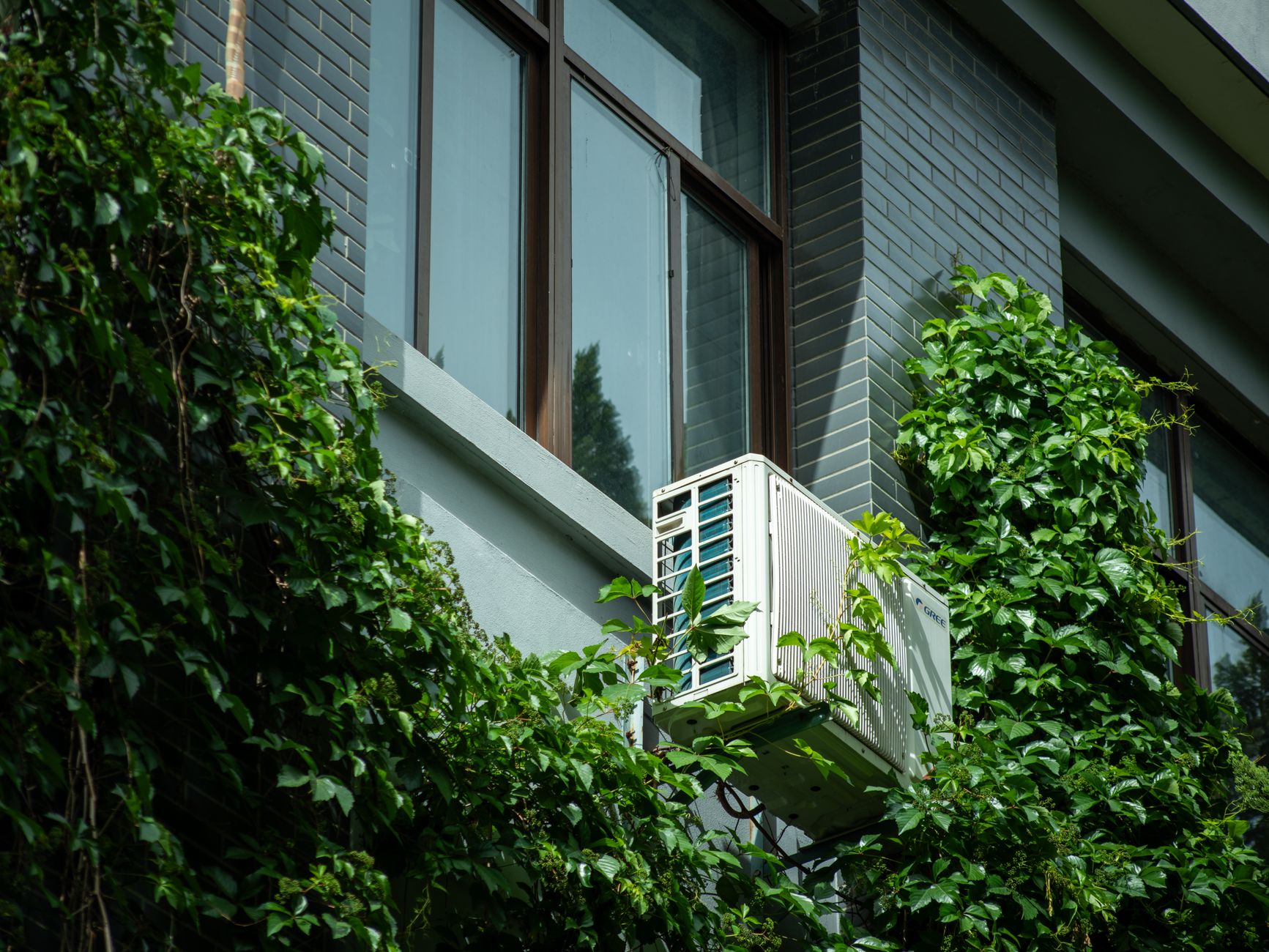
Energy efficient appliances are cheaper to run than standard models because they consume significantly less electricity and water over their 10 to 15-year typical operational lifespan. While the initial purchase price is often 15% to 30% higher, the lifetime reduction in utility bills usually recoups this investment within four to six years.
⚡ In a Rush? Key Takeaways
- Modern A-rated appliances can save an average household $150–$300 annually on energy.
- Cold water washing cycles reduce total machine energy consumption by up to 60%.
- Heat pump tumble dryers use roughly 65% less energy than standard vented models.
- The best financial move is prioritising models with low standby power draw.
How Do Energy Labels Impact Your Annual Bills?
Energy labels provide a standardized metric for consumption, allowing you to estimate annual costs based on local utility rates per kWh.
The modern energy labelling system, particularly the post-2021 standards, has been designed to make the difference between appliances clearer. An appliance that sits in the ‘A’ or ‘B’ category is not just a marketing label; it represents a specific threshold of efficiency that translates directly to your meter.
What does the new energy rating scale mean for homeowners?
The new scale removes plus-symbols and introduces stricter testing, making it easier to compare actual consumption between brands.
In the past, we saw labels like A+++ which created confusion for buyers. Today’s system uses a straightforward A to G scale, where the ‘A’ rating is much harder to achieve and reserved for the most efficient appliance intelligence designs.
- A-rated: Highest efficiency, lowest operational cost.
- C-rated: Middle-ground performance, standard cost.
- G-rated: Least efficient, should generally be avoided for daily use.
How can you calculate the real-world cost of an appliance?
Multiply the appliance’s stated kWh/year by your local electricity rate to find your exact annual running expense for the unit.
Manufacturer testing occurs in controlled laboratory environments. Your actual usage depends on habits like load size, ambient temperature, and how frequently you run the kitchen workflow cycles.
| Appliance Type | Avg Annual kWh | Avg Annual Cost |
|---|---|---|
| Fridge-Freezer | 180 kWh | $30 |
| Washing Machine | 150 kWh | $25 |
| Tumble Dryer | 450 kWh | $75 |
Which appliances carry the highest energy penalties?
Heating elements are the primary energy consumers, making laundry and dishwashing the two most expensive tasks in the home.
Appliances that heat water internally—dishwashers, washing machines, and kettles—are your biggest targets for efficiency upgrades. Replacing an old energy efficiency nightmare, like a 15-year-old refrigerator, often yields the fastest return on investment.
Is It Always Worth Paying the Premium for High Efficiency?
Payback periods for high-efficiency models typically range from three to seven years depending on your daily usage and local power costs.
There is a point of diminishing returns when buying appliances. If you only use a dishwasher twice a week, a top-tier model might take a decade to pay for itself, whereas a mid-range, energy-conscious model offers better value.
When does a high-efficiency appliance not make financial sense?
Low-frequency usage patterns mean the energy savings cannot offset the initial higher purchase price over the appliance lifespan.
Always evaluate your actual habits rather than the theoretical maximum efficiency. If you are a single person, a massive 12kg washing machine is inefficient regardless of its energy rating because the energy overhead of spinning a heavy drum remains constant.
How should you balance reliability and energy ratings?
Prioritize brands with proven repair records because an energy-efficient model that breaks down early is never a financial win.
- Research brand-specific repair frequency data.
- Check the availability of replacement parts locally.
- Verify if the appliance offers extended warranty coverage.
What role does standby power play in your total energy bill?
Devices left in standby or rest mode can add 5% to 10% to your total electricity bill through invisible background consumption.
Always look for appliances with a true ‘off’ switch or use smart plugs to cut power completely. The standby load of a microwave, coffee machine, and television combined is often higher than a single high-efficiency washing machine cycle.
Frequently Asked Questions
-
Are energy-rated appliances actually cheaper to maintain?
Often yes, as higher-rated models use better internal components to manage heat and friction, leading to reduced wear and tear.
-
Does cold water washing actually clean effectively?
Yes, modern enzymes in detergents work efficiently at 20°C, providing the same cleanliness while saving up to 80% on heating energy.
-
Should I replace all my appliances at once?
No, replace appliances only as they fail or when they are clearly outdated, as the carbon footprint of new production is significant.
-
How do smart features affect appliance energy efficiency?
Smart features can save energy by scheduling cycles during off-peak hours, but the internal connectivity adds a small standby cost.
These common questions address the specific practical concerns homeowners face when upgrading their household appliance suite for 2026.
Conclusion
Investing in energy-efficient appliances is a long-term strategy that pays off through lower monthly bills and improved long-term reliability.
The goal is to focus on the appliances you use daily. By optimizing your laundry and kitchen cycles alongside choosing high-efficiency hardware, you gain full control over your home’s operational costs. Look for the ‘A’ label, but always pair it with mindful daily habits to see the true savings. — Greta Michaud, Home Appliance Efficiency Researcher