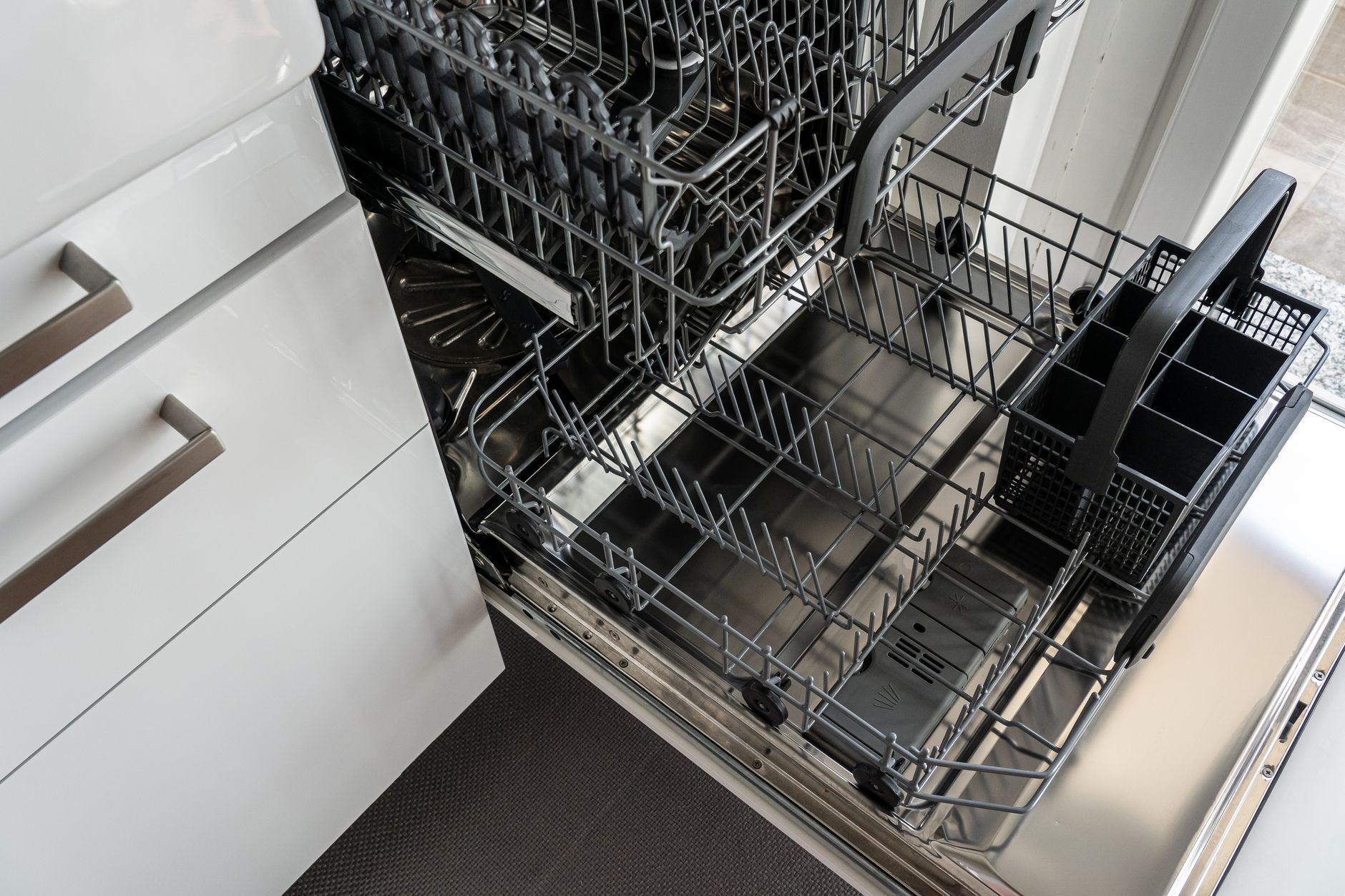
A modern dishwasher is the most efficient way to clean kitchenware, using roughly 3 to 5 gallons of water per cycle compared to the 20+ gallons often consumed during manual hand-washing. While the upfront purchase and installation represent a significant commitment, the long-term utility savings and reduction in household labor make them a staple for functional, cost-conscious homes.
⚡ In a Rush? Key Takeaways
- Modern dishwashers use ~4 gallons per cycle vs. 20+ gallons for hand washing.
- Skipping the heated dry cycle reduces per-cycle energy consumption by about 0.5 kWh.
- Average annual running costs sit between $30 and $60 depending on local utility rates.
- Using a dishwasher for full loads saves approximately 150 hours of labor per year.
- ✅ Verdict: A full-size unit is highly efficient if run only when fully loaded.
How Do Dishwashers Affect Your Monthly Utility Bills?
Dishwashers typically add $3 to $6 to your monthly utility bill, depending on cycle frequency, water heating methods, and energy efficiency.
How much electricity does one cycle consume?
A standard dishwasher cycle uses between 0.8 kWh and 1.5 kWh, with the vast majority of that energy dedicated to heating the wash water.
The energy draw of a dishwasher is primarily dictated by the water heating element. Because most machines are connected to a cold water supply, the unit must work to bring that water up to the required sanitization temperature, usually between 120°F and 140°F.
By choosing an “Eco” mode, many machines reduce the target water temperature, which significantly lowers power consumption. You can further reduce the load on your electrical grid by ensuring you are using the most efficient appliance configurations for your home’s setup.
Is water consumption actually lower than hand-washing?
Modern dishwashers use approximately 3 to 5 gallons per cycle, while hand-washing under a running tap can consume up to 27 gallons of water.
The efficiency gap is substantial because dishwashers recycle the same water throughout the wash and rinse phases. Manual washing often involves leaving the tap running, which wastes more water in a single sitting than an entire machine cycle.
- Standard cycle: 3.5 to 5 gallons
- High-efficiency cycle: 2.5 to 3 gallons
- Hand-washing (running tap): 20 to 27 gallons
What Maintenance Tasks Prevent Costly Repairs?
Regularly cleaning the filter and checking spray arms prevents scale buildup, saving roughly $150 to $400 in potential repair technician fees.
Why should you clean the filter monthly?
A clogged filter forces the pump to work harder, reducing cleaning performance and potentially leading to premature motor failure over time.
Food debris eventually accumulates in the sump area, which is where your dishwasher filter resides. If this is not cleared, the machine struggles to circulate water, resulting in grainy residue on your glassware and inefficient energy usage.
How do salt and rinse aid protect your appliance?
Dishwasher salt softens hard water, preventing mineral scale from coating the heating element and degrading your machine’s efficiency.
In areas with hard water, scale is the primary enemy of long-term appliance health. Using proper kitchen workflow habits includes keeping your salt reservoir topped up to ensure the internal components remain free of limestone deposits, which acts as an insulator and wastes energy.
| Maintenance Task | Frequency | Benefit |
|---|---|---|
| Clean Filter | Monthly | Maintains wash quality |
| Check Spray Arms | Quarterly | Prevents uneven cleaning |
| Refill Salt | As needed | Protects heating element |
Which Features Provide the Best Long-Term Value?
Energy Star certification, soil sensors, and adjustable rack systems provide the highest ROI by optimizing water and energy usage per load.
Are soil sensors worth the premium?
Soil sensors detect water turbidity, adjusting the cycle length and water volume to match the actual load size rather than running a default.
Without a soil sensor, your machine may run a full-length, heavy-duty cycle for a lightly soiled load, wasting both water and electricity. This technology is a standard feature in most current mid-range models and provides immediate efficiency gains.
Why choose a model with adjustable racks?
Adjustable racks allow you to maximize every load, ensuring you don’t run the machine half-empty, which is the least efficient way to clean.
The goal of any dishwasher strategy is to achieve a full load before starting a cycle. Models that offer flexible tines and height-adjustable top baskets allow you to fit larger platters or pots alongside everyday plates, preventing the need for multiple washes.
What are the installation requirements and typical costs?
A built‑in dishwasher needs a dedicated 120 V/15 A circuit, a hot water line (or cold with internal heater), and a drain connection to the sink’s garbage disposal or air gap; professional installation usually runs $100‑$200, while DIY can save that fee if you have basic plumbing and electrical skills.
Measure the rough‑in opening (typically 24″ wide × 24″ deep × 35″ high) and verify clearance for the door swing. Most units include a leveling kit and mounting brackets to secure the appliance to the countertop. If you lack a dedicated circuit, an electrician may need to run new wiring, which can add $150‑$300 to the total cost.
Frequently Asked Questions
Should I rinse dishes before loading them?
No, modern sensors require some food residue to detect the need for a wash; simply scrape large scraps into the bin to prevent clogs.
What is the most energy-efficient way to dry dishes?
Select the air-dry setting or simply open the door at the end of the wash cycle to let moisture evaporate naturally without using heat.
How long should a standard dishwasher last?
A well-maintained dishwasher typically lasts between 10 and 13 years, provided you perform regular filter and spray arm maintenance.
Are tablet detergents more efficient than powders?
Powdered detergents are often more cost-effective as they allow you to dose exactly what the load requires, preventing excessive sudsing issues.