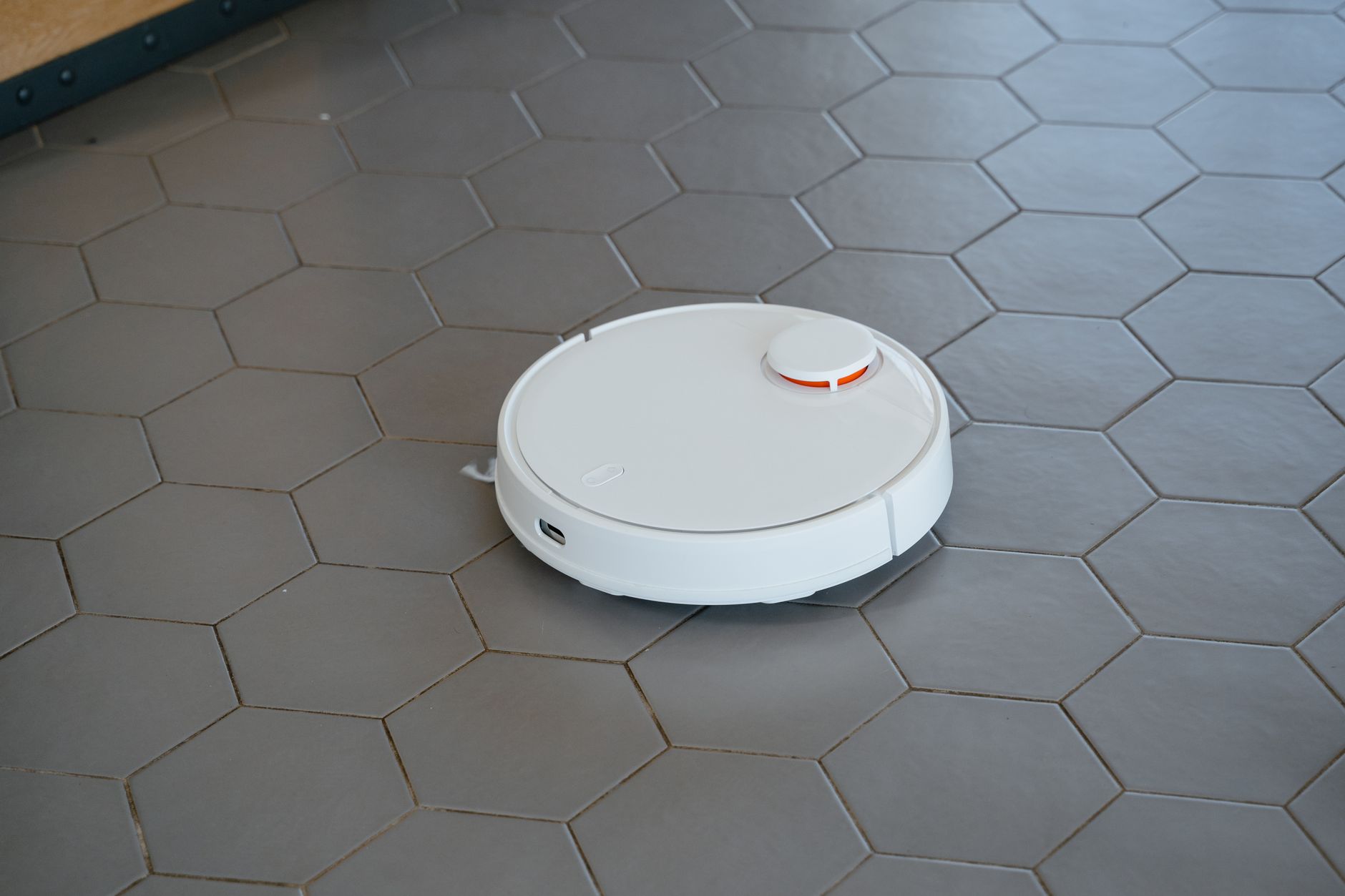
Are Robot Vacuums Actually Worth the Investment in 2026?
Robot vacuums are worth the investment for households needing daily floor maintenance, reducing manual cleaning time by 2–4 hours each week.
A robot vacuum is a time-saving tool rather than a replacement for deep cleaning. While they cannot match the suction power of a corded upright, they excel at consistent, low-effort maintenance that prevents dust and pet hair from accumulating between deep cleans.
⚡ In a Rush? Key Takeaways
- Robot vacuums typically consume only 0.05–0.1 kWh per daily cleaning cycle.
- Entry-level models last 3–5 years, while premium units often hit 7+ years of use.
- Automated maintenance reduces manual vacuuming frequency by roughly 75% weekly.
- ✅ Best value: Choose a mid-range navigation-based model over high-end mopping hybrids.
What Are the Real Running Costs of a Robot Vacuum?
Operating a robot vacuum costs less than $10 annually in electricity, but replacement parts and battery cycles add $40–$60 to annual upkeep.
How Much Electricity Does a Robot Vacuum Use?
A standard robot vacuum uses between 0.05 and 0.1 kWh per full cleaning cycle, costing less than $0.02 per session in most US regions.
Because these devices use lithium-ion batteries, they draw minimal power from the grid. Most of the energy cost is incurred during the charging phase rather than the actual vacuuming.
If you run your robot daily, you might add less than $5 per year to your energy bill. This is a significant improvement over manual high-wattage vacuum cleaners which draw between 600W and 1200W.
What Maintenance Parts Require Replacement?
Expect to spend $40–$60 every twelve months on replacement filters, side brushes, and the main rubber rollers to maintain performance.
Unlike a traditional vacuum, a robot has high-wear components that operate constantly. Keeping these parts fresh is essential to avoid motor strain and reduced suction efficiency.
- HEPA filters: Replace every 3–6 months for allergy control.
- Side brushes: Replace when bristles lose their shape or fray.
- Rubber extractors: Inspect for tears every 6 months.
- Battery: Expect a lifespan of 3–4 years of daily use.
Pet Hair Handling and Anti‑Tangle Brush Technology
Models with rubber extractors or silicone brushes prevent hair wrap, keeping suction strong for pet owners.
Traditional bristle brushes can quickly become tangled with pet hair, causing the vacuum to lose suction and requiring frequent manual cleaning of the brush roll. This not only reduces cleaning effectiveness but also puts extra strain on the motor over time.
Many newer robot vacuums address this with rubber rollers or silicone‑coated brushes that hair slides off of, or with self‑cleaning anti‑tangle designs that actively eject wrapped fur. For homes with dogs or cats, choosing a model advertised as “pet‑hair friendly” can extend the interval between brush maintenance from weekly to monthly and maintain consistent pickup performance.
How Do You Choose Between Navigation and Random Movement?
Laser or camera navigation models are essential for efficient floor coverage, saving 30% more time than random-bounce entry-level models.
Why Is Laser Navigation Superior for Energy Efficiency?
Laser-mapped robots clean in straight, logical lines, completing a room in 60% less time than random units, which saves battery wear.
Random-movement robots often traverse the same area multiple times, wasting battery cycles. By investing in a unit with LIDAR or camera-based mapping, you ensure the robot hits every square inch efficiently.
This efficiency protects your battery health over the long term. A robot that finishes a room in 20 minutes is objectively better for your home than one that wanders for an hour.
Can a Robot Vacuum Replace Your Deep Cleaning Routine?
Robot vacuums are maintenance tools; they lack the deep suction required for thick carpets, meaning you still need a manual vacuum.
Use your robot to handle the daily surface-level debris in high-traffic areas. You can then reserve your manual cleaning system for deep carpet cleans and hard-to-reach corners once every two weeks.
Frequently Asked Questions About Robot Vacuums
-
Do robot vacuums work on dark-coloured carpets?
Most robots mistake dark carpets for drop-offs due to IR sensors, potentially stopping or refusing to clean those specific surface areas.
-
How often should I empty the dustbin?
Standard bins require manual emptying every 1–2 days, though self-emptying base stations extend this interval to 30–60 days of usage.
-
Are robot vacuums loud enough to disturb work?
Most models operate at 60–70 decibels, which is equivalent to a quiet conversation and rarely disruptive in adjacent rooms or offices.
-
Will a robot vacuum damage my expensive furniture?
Modern units use soft-touch bumpers and proximity sensors to avoid collisions, though periodic furniture leg protection is wise.
-
Is a self-emptying base station worth the extra price?
For households with pets or large floor plans, the convenience of a self-emptying base is worth the $100–$200 premium over standard units.
Ultimately, a robot vacuum is an efficiency tool. It won’t scrub your floors, but by keeping the base layer of dust under control, it allows you to spend your weekend on more productive home tasks. Choose a model with good mapping, stick to a regular filter maintenance schedule, and it will pay for itself in saved time within the first eighteen months. — Greta Michaud, Home Appliance Efficiency Researcher