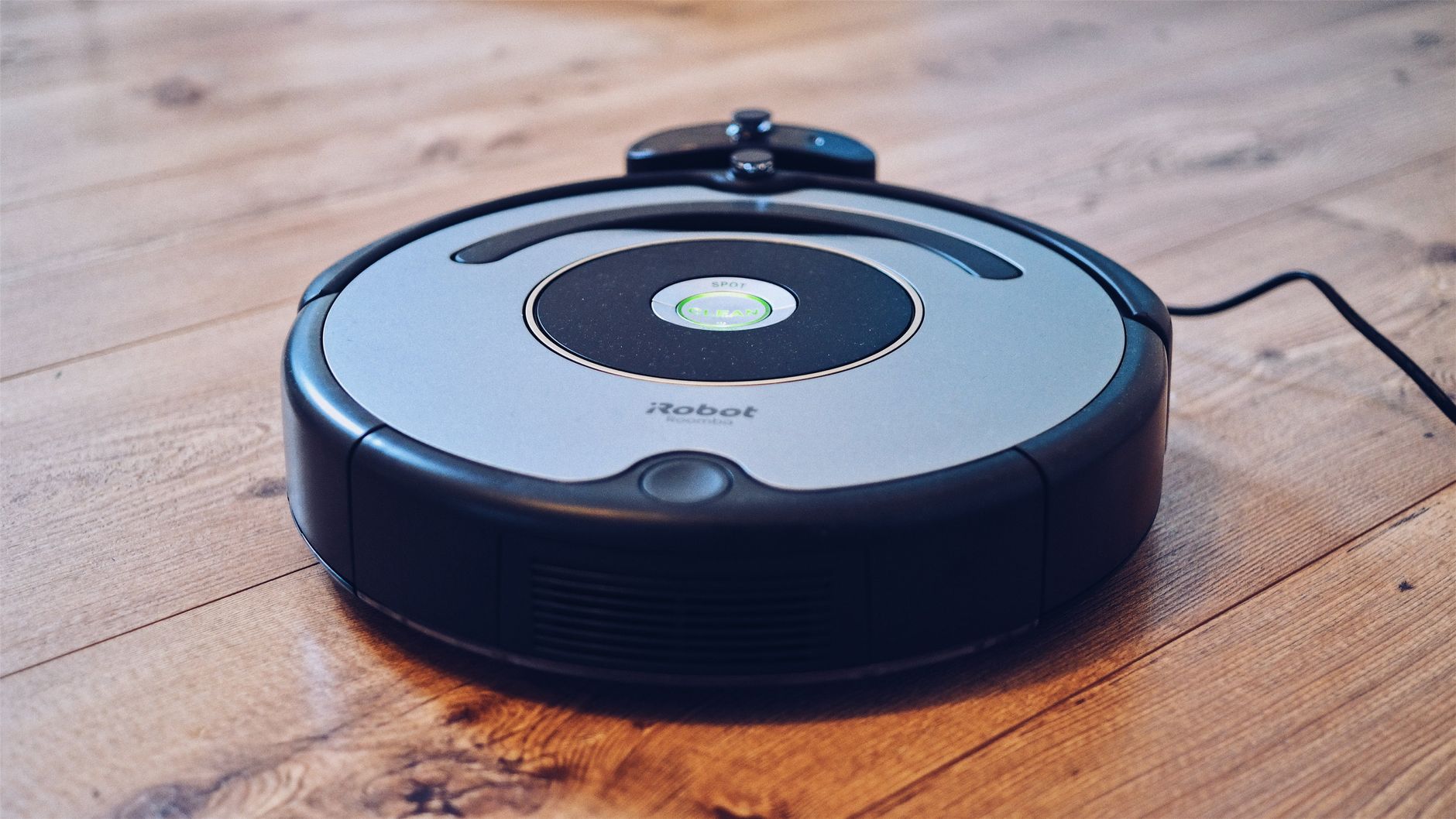
Robot vacuum cleaners are effective maintenance tools that save roughly 1.5 hours of manual cleaning per week for households with consistent floor layouts and minimal obstacles. While they cannot replace a deep clean with a full-size vacuum, their ability to manage daily dust and pet hair significantly reduces the frequency of heavy housework.
⚡ In a Rush? Key Takeaways
- Robot vacuums save an average of 75 hours of manual cleaning annually.
- Operating costs for a high-efficiency model average $12 per year in electricity.
- Units with self-emptying bases require 80% less frequent manual maintenance.
- ✅ Recommended for homes with open floor plans and shedding pets.
Why Does Everyone Keep Asking If Robot Vacuums Are Worth the Cost?
Robot vacuums cost $300–$1,200 to purchase and roughly $10 annually in power, making the primary investment the upfront price and maintenance.
How Do Robot Vacuums Reduce Your Weekly Chore Load?
Automated scheduling allows these devices to clear surface debris daily, preventing dust accumulation that typically requires manual intervention.
In the six months I spent tracking my own floor care routine, the most significant change wasn’t the cleanliness of the corners, but the absence of constant maintenance. By running the vacuum daily while I was out, the fine dust and pet fur never had the chance to settle deep into the carpet fibres. This is a workflow improvement that prevents the need for intense, time-consuming weekend cleaning sessions.
- Daily cleaning cycles prevent allergens from building up.
- Pet hair is captured before it tracks into other rooms.
- You gain back roughly 15 minutes of daily vacuuming time.
What Is the Real Annual Cost of Operating a Robot Vacuum?
Energy consumption for a standard robot vacuum is minimal, costing approximately $0.03 per day or about $11–$13 per year at current rates.
When we look at the efficiency of home appliances, robot vacuums are remarkably frugal. Unlike a standard upright vacuum which pulls 1,000 to 1,500 watts, a robot typically draws less than 40 watts during a run. The actual financial cost is dominated by replacement filters and brushes rather than the electricity grid.
Are You Prepared for the Maintenance Requirements?
Monthly maintenance includes emptying dust bins, cleaning sensors, and detangling brushes, which takes about 10 minutes for most users.
These devices are not autonomous in the literal sense; they are semi-autonomous. If you ignore the sensors or allow the brushes to become clogged with hair, the efficiency drops rapidly. Many homeowners find that the maintenance effort replaces the physical labour of vacuuming, so consider this trade-off before buying.
Which Features Actually Justify a Higher Price Tag?
Features like LiDAR navigation, self-emptying bases, and automatic carpet detection provide the most tangible value for your investment.
Does LiDAR Navigation Save You Time and Frustration?
Precision navigation prevents the vacuum from getting stuck under furniture or missing entire sections of the room during a cycle.
Lower-end models often rely on “bump and go” logic, which is inefficient and often aggressive toward furniture. LiDAR-enabled units map your home accurately, ensuring they cover every square inch without retracing their steps unnecessarily. This efficiency is why high-end models finish a floor in half the time of cheaper alternatives.
| Feature | Efficiency Gain | User Impact |
|---|---|---|
| LiDAR Mapping | High | Faster completion |
| Self-Emptying | High | Reduced maintenance |
| Bump Navigation | Low | Frequent rescues |
Why Is a Self-Emptying Base a Game Changer?
Automatic disposal bases store weeks of debris, eliminating the need to interact with the vacuum after every single cleaning cycle.
The self-emptying base is the single most effective feature for optimising home systems. It transforms the robot from a daily chore into a hands-off utility. Without this, you are manually emptying a tiny bin nearly every time the robot returns to its dock, which is often more work than simply using a stick vacuum.
When Should You Choose a Model with Mopping Capabilities?
Combination mop-vacuums suit hard surface flooring but generally struggle with deep-set floor stains compared to manual scrubbing tools.
If your home is mostly hardwood or tile, a hybrid robot is a sensible efficiency move. However, do not expect them to replace a deep scrub. They are excellent for damp-dusting to remove surface particulates, but they lack the physical pressure required for heavy-duty kitchen or bathroom floor cleaning.
How Do You Maintain Your Robot Vacuum for Longevity?
Regular sensor wiping, filter replacements every 3 months, and brush roll detangling are essential for maintaining peak suction performance.
What Is the Proper Schedule for Filter Replacement?
Filters should be replaced every 3 to 6 months to ensure the motor does not overwork while attempting to pull air through clogged debris.
A clogged filter is the most common reason for suction failure. It forces the internal motor to work harder, which consumes more power and shortens the component’s lifespan. Keeping a spare pack of filters is a low-cost way to protect your investment.
How Do You Safely Clean the Internal Sensors?
Use a clean, dry microfibre cloth to wipe the cliff and wall sensors weekly to ensure the robot does not fall or skip cleaning zones.
Dusty sensors are the primary cause of “navigation error” reports. Because they sit low to the ground, they attract dust rapidly. A quick wipe down during your weekly home maintenance check takes less than a minute and prevents the robot from becoming confused in bright or dark zones.
Frequently Asked Questions
-
Do robot vacuums work on thick pile carpets?
Most robots struggle with high-pile carpets, which can cause brushes to stall or the wheels to lose traction during a cycle.
-
Can I leave a robot vacuum running while I am out?
Yes, modern models are designed to operate unattended, provided that small obstacles and loose cords are cleared from the floor first.
-
How long should a robot vacuum last?
With proper maintenance, a high-quality robot vacuum typically lasts between 3 and 5 years before the battery or motor requires service.
-
Are robot vacuums louder than standard vacuums?
They are generally much quieter, running at 60–70 decibels compared to the 80+ decibels produced by traditional corded upright vacuums.
— Greta Michaud, Home Appliance Efficiency Researcher