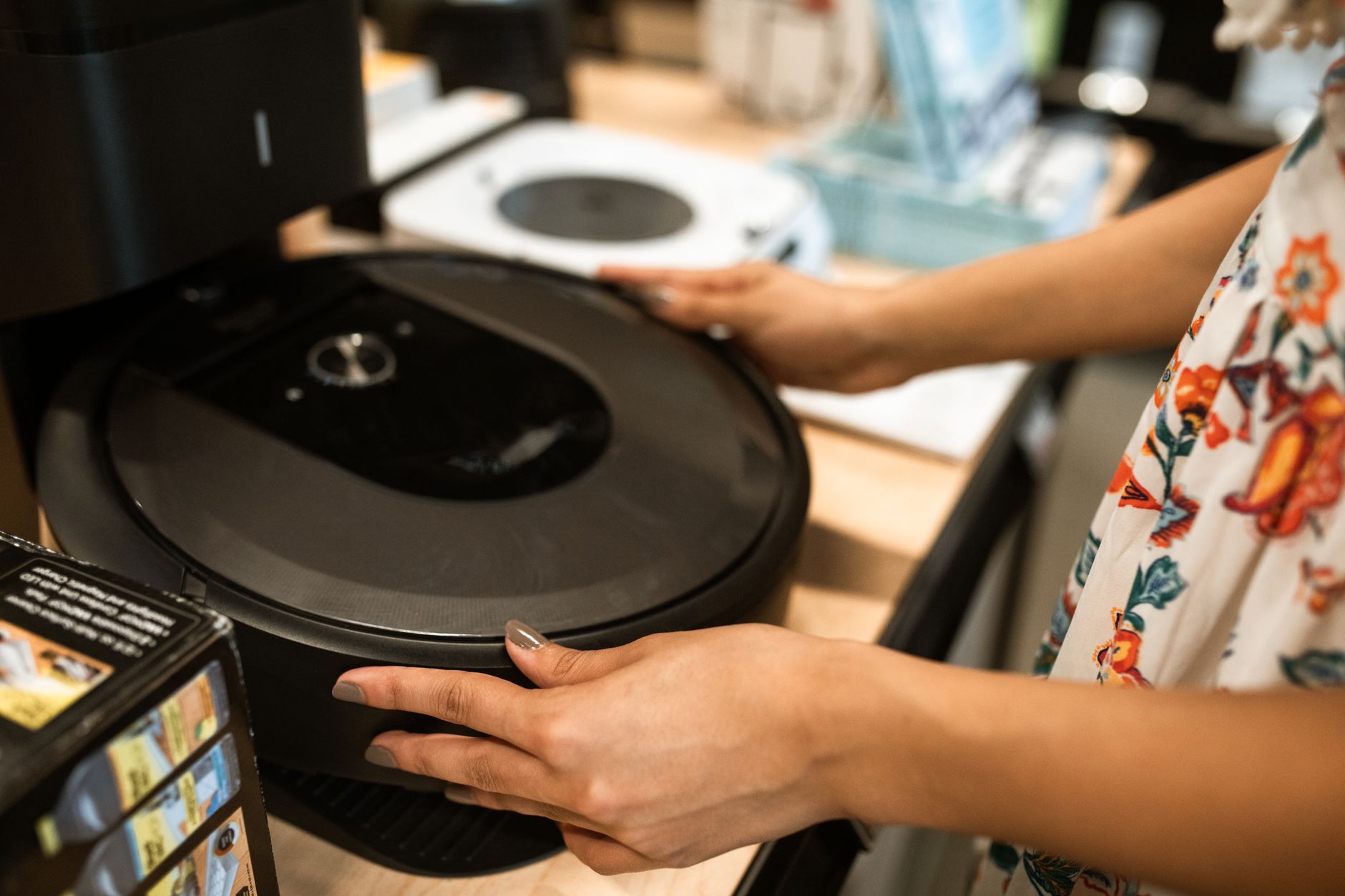
Robot vacuums are highly effective maintenance tools for daily floor upkeep, though they are rarely a complete replacement for a traditional manual vacuum cleaner. While they excel at keeping dust and pet hair from accumulating on hard floors and low-pile rugs, they lack the raw suction power required for a deep clean on high-pile carpets or tight furniture crevices.
⚡ In a Rush? Key Takeaways
- Robot vacuums typically consume just 30–50W per charging cycle, costing roughly $0.01 per run.
- Modern units reduce daily floor cleaning time by approximately 3 to 5 hours per week.
- Battery replacement costs average $50–$90 every 3 to 4 years of regular operation.
- ✅ Best value: Use a robot for daily maintenance and a manual vacuum for deep cleaning once weekly.
Are Robot Vacuums Actually Cheaper to Run Than Manual Models?
Robot vacuums cost pennies to run per cycle, yet the total cost of ownership is higher due to expensive replacement parts and batteries.
How much electricity does a robot vacuum use annually?
A standard robot vacuum uses roughly 15-20 kWh annually, which equates to less than $3.00 in electricity costs for most US households.
The energy consumption of these devices is remarkably low compared to upright vacuum cleaners. Because they operate on rechargeable lithium-ion batteries, the draw from your grid is limited to the charging dock’s idle power and the intermittent charging cycle.
- Idle dock power: 2–5 watts continuously.
- Active charging cycle: 30–45 watts for 2–3 hours.
- Total annual cost: Often less than the price of a single movie ticket.
What are the hidden long-term maintenance costs?
Hidden costs include proprietary side brushes, HEPA filters, and expensive replacement batteries that expire every three to four years.
While the electricity is cheap, the physical components are consumables. You must replace filters every 2–6 months and side brushes periodically to maintain suction efficiency.
| Component | Replacement Frequency | Est. Annual Cost |
|---|---|---|
| HEPA Filter | Every 3 Months | $25–$40 |
| Side Brushes | Every 6 Months | $15–$25 |
| Battery Pack | Every 3 Years | $20–$30 (annualized) |
Which Home Layouts Get the Most Benefit From a Robot Vacuum?
Open-concept homes with minimal clutter and hard flooring reap the most significant time-saving benefits from automated cleaning systems.
How do robot vacuums handle complex floor plans?
Advanced mapping units use LIDAR or cameras to navigate complex rooms, but they often struggle with loose cables and high-pile rugs.
If your home has many small rooms or furniture legs, the robot will spend significant time bumping into obstacles. Efficient kitchen floor maintenance requires a clear path, as chairs and island bases can trap even the most intelligent models.
- Ensure a 15-inch clearance between furniture legs for full access.
- Secure all loose power cables to prevent the vacuum from stalling.
- Use digital no-go zones to protect fragile floor decor or pet areas.
Does floor material affect cleaning efficiency?
Hardwood, tile, and laminate floors allow for optimal suction coverage, whereas high-pile carpets often result in reduced brush rotation.
Robot vacuums perform best on surfaces where they can achieve a consistent seal with the floor. On deep-pile carpets, the unit’s height clearance becomes a bottleneck for suction power.
Are Robot Vacuums Worth the Investment for Pet Owners?
They are exceptionally useful for managing daily pet hair shedding, though they cannot replace deep extraction cleaning on fabric sofas.
How do they handle persistent pet hair?
Rubberized rollers are far more effective than bristled brushes at preventing hair tangles that reduce vacuum motor longevity over time.
If you have pets, look for models marketed specifically for hair management. These units use high-torque motors to ensure hair is pulled into the bin rather than wrapped around the axle.
- Check the bin capacity weekly to prevent clogging.
- Look for dual-roller designs to minimize maintenance.
- Consider models with self-emptying bases for large debris volumes.
Can they reach hidden allergens?
Standard HEPA filters in these units capture 99% of dust, but deep allergens embedded in rugs often require a manual deep cleaning routine.
While they are excellent at surface-level allergen control, don’t rely on them for complete air quality remediation. They are best viewed as a supplement to, rather than a replacement for, standard air filtration systems.
Conclusion: Is the Convenience Worth the Price?
For most households, the robot vacuum is worth it as a supplemental cleaning tool that buys you back several hours each week. If you value your time and maintain a relatively tidy floor, the cost per hour of labor saved is favorable. However, if your home is heavily carpeted or cluttered, you may find the manual intervention required to “rescue” the unit outweighs the convenience provided.
Do Robot Vacuums Offer Mopping Capabilities?
Many mid‑ to high‑end models combine vacuuming with a mopping function, using a water tank and reusable microfiber pad to tackle light spills and stuck‑on grime.
The mopping module typically works best on sealed hard floors—tile, laminate, and finished hardwood—and is less effective on carpets, where the unit will either disable the mop or raise it to avoid wetting the fibers.
To maintain performance, users need to refill the tank, wash the pad after each use, and periodically descale the water system if hard water is used.