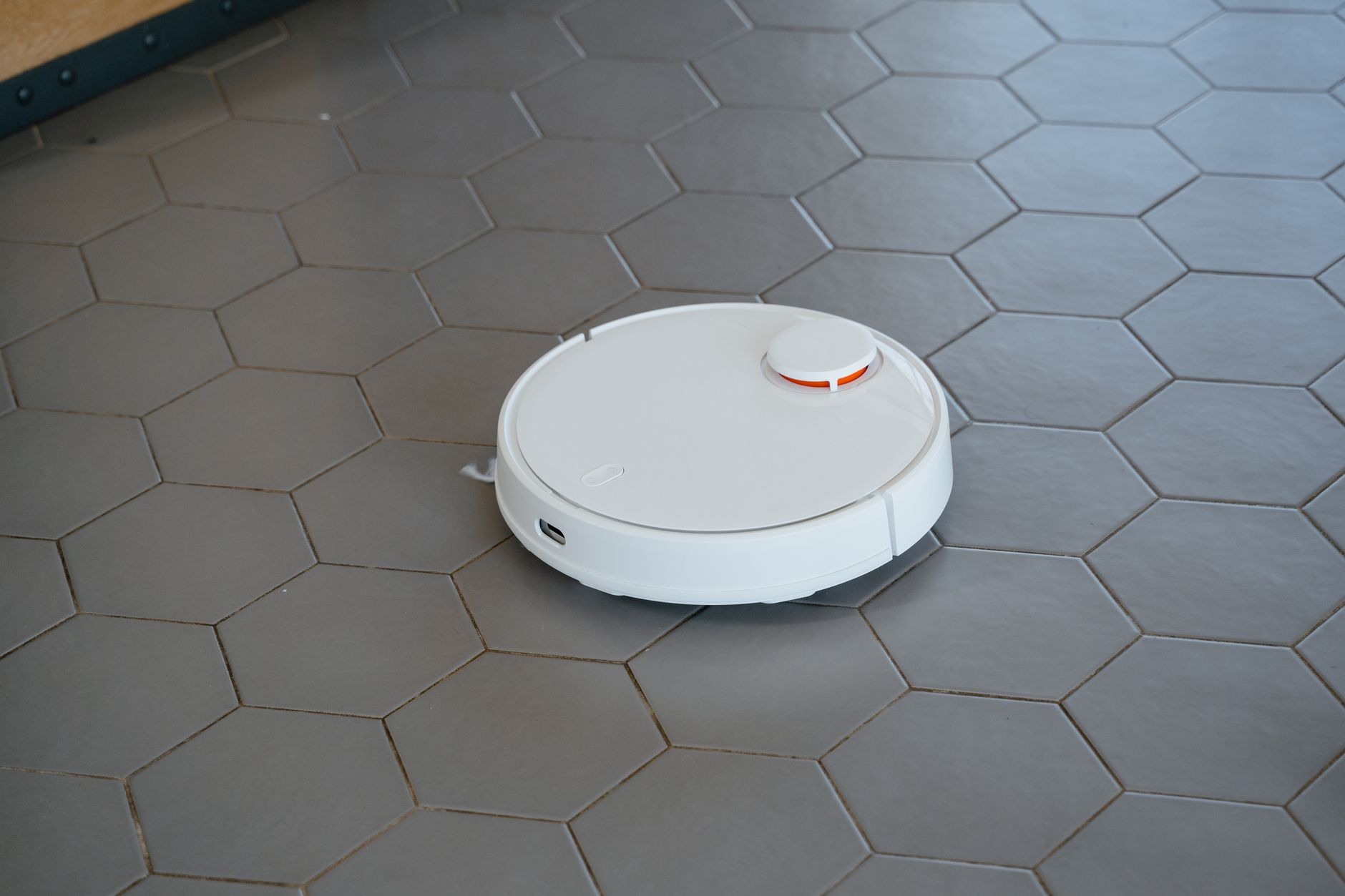
Robot vacuum cleaners are automated floor-cleaning devices that save most households three to five hours of manual labour per week by handling daily dust and debris maintenance. While they cannot replace a deep manual clean, their ability to navigate complex floor plans and manage schedules makes them a practical efficiency tool for busy homes.
⚡ In a Rush? Key Takeaways
- Robot vacuums save an average of 4 hours of cleaning time per week.
- Entry-level models start around $200, while premium self-emptying units cost $600–$1,200.
- Battery life typically ranges between 90 and 180 minutes per full charge cycle.
- Most units reduce daily dust accumulation by 70–80% in high-traffic rooms.
- ✅ Best value: Purchase a mid-range self-emptying unit to minimize maintenance chores.
Are Robot Vacuum Cleaners Truly Capable of Cleaning an Entire Home?
Modern robots effectively clean 80% of open floor areas, but they struggle with corners, tight furniture gaps, and heavy pet hair accumulation.
How do navigation systems impact cleaning thoroughness?
Advanced laser-based LIDAR navigation allows robots to map rooms in minutes, ensuring they cover every square inch without missing spots.
Older robot models relied on random bounce patterns, which meant they often missed sections or cleaned the same area multiple times. Today, laser and camera-based navigation allow the machine to build a digital map of your home. This efficiency ensures the vacuum follows a logical grid pattern, which is significantly faster and more thorough.
- LIDAR sensors enable operation in complete darkness.
- Virtual wall boundaries keep robots out of delicate areas.
- Multi-level mapping supports homes with several floors.
- Real-time obstacle avoidance prevents damage to furniture legs.
Can these devices effectively handle different floor types?
Sensors automatically detect rug transitions, allowing the vacuum to increase suction power on carpet and lift mopping pads on floors.
I have observed that modern brush designs are far better at transitioning between hardwood and low-pile rugs. The unit detects resistance and adjusts the motor speed accordingly to ensure debris is lifted rather than pushed aside. You can explore how these appliance maintenance routines keep your sensors functioning properly for years.
| Surface Type | Cleaning Efficacy |
|---|---|
| Hardwood | Excellent |
| Low-pile Rugs | Very Good |
| High-pile Carpet | Moderate |
What Should You Know About Running Costs and Maintenance?
Ownership costs include replacing side brushes every six months and filters annually, totaling roughly $40–$70 in parts each year.
How much time does a self-emptying base save you?
Self-emptying bases allow the vacuum to operate for 30 to 60 days before you need to manually dispose of the collected dust and debris.
The biggest advancement in the last three years is the transition to self-emptying bins. Instead of cleaning the vacuum container daily, you simply swap a disposable bag once every few weeks. This adds to the total home energy cost profile slightly but provides a significant gain in user convenience.
Are robot vacuum and mop combos worth the extra cost?
Combined units are best for light surface cleaning, but they do not replace the performance of a dedicated mop for heavy-duty stains.
For hard floors, these units are excellent at removing surface-level dust that a dry vacuum might miss. However, they are not designed for deep scrubbing. If you are also researching kitchen workflow efficiencies, keep in mind that a robot mop works best as a maintenance tool rather than a deep cleaner.
How Often Do You Need to Repair or Replace These Appliances?
High-quality models typically last 4 to 6 years with regular sensor cleaning, while cheaper units often show mechanical fatigue after 2.
What are the most common repair issues?
Common failures involve battery degradation over time and wheel motors becoming clogged with hair or fine carpet fibres and dust.
- Battery capacity loss after 500+ charge cycles.
- Wheel tread wear causing traction loss on tile.
- Sensor obstruction from dust build-up.
- Main brush roller bearing failure.
Are these devices easy to repair at home?
Basic maintenance like filter and brush swaps is user-friendly, but internal motor repairs require specialized tools and expert help.
Most manufacturers offer modular parts that are designed to be replaced by the owner. This ensures that a simple brush failure does not render the entire machine useless. It is much more efficient to replace a $20 part than to discard a $500 machine after only two years of service.
Frequently Asked Questions
-
Do robot vacuums replace manual vacuuming?
They reduce the need for daily cleaning, but a manual upright vacuum is still required for deep cleans and hard-to-reach corners.
-
How do robot vacuums perform with pet hair?
Models with rubberized dual rollers are significantly better at preventing hair tangles than traditional bristle-style brush rollers.
-
Are they safe for homes with stairs?
Yes, integrated cliff sensors detect drop-offs in real-time, preventing the robot from falling down staircases or off elevated platforms.
-
Do they work on black or dark-coloured rugs?
Some sensors interpret dark rug patterns as cliffs, so check compatibility if your home features very dark floor materials.
-
Conclusion
Robot vacuums are a refined convenience rather than a household necessity. By handling the daily accumulation of dust, they allow you to focus your deep-cleaning efforts on areas the robot cannot reach. For most households, a mid-range model with a self-emptying base provides the best balance of performance, maintenance, and long-term value. — Greta Michaud, Home Appliance Efficiency Researcher