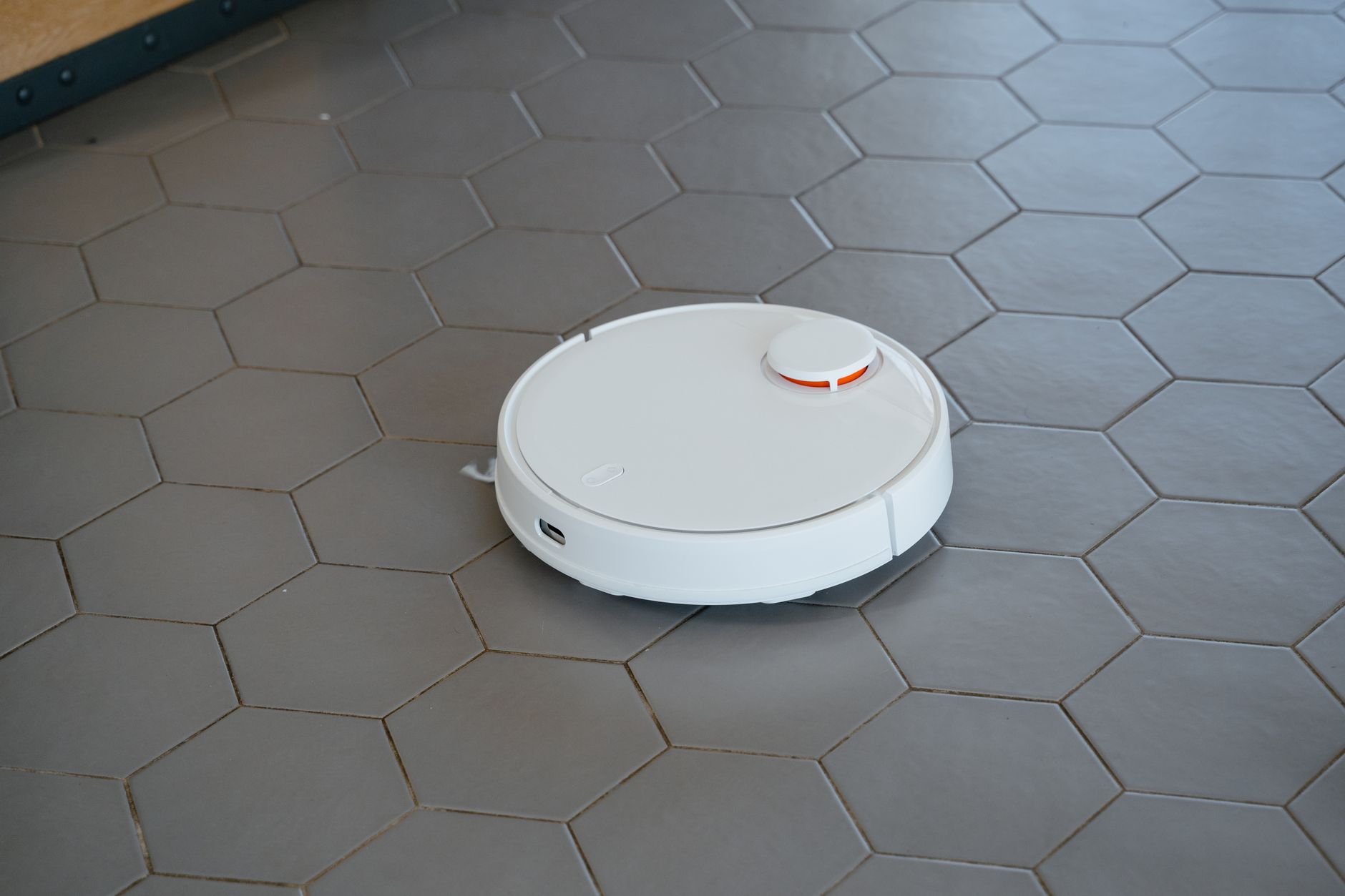
Robot vacuums are highly effective maintenance tools for daily debris collection, though they rarely replace the need for a manual deep clean. For most homes, they reduce the time spent on active floor care by 80% if your living space is relatively clear of obstructions.
⚡ In a Rush? Key Takeaways
- Robot vacuums consume just 30–50W of power, costing pennies per cycle.
- High-end models reduce manual vacuuming frequency by approximately 4–5 hours monthly.
- Maintenance costs for filters and brushes average $60–$90 per year.
- ✅ Best value: Choose a mid-range model with LiDAR for efficient room mapping.
Do Robot Vacuums Save You Significant Time?
A robot vacuum saves an average of 45 minutes of manual labour weekly by handling daily dust and pet hair, provided the floor is clear.
How much time does daily floor maintenance take?
Manual cleaning of high-traffic zones in an average 1,500-square-foot home consumes roughly 3 hours of labour every single month.
Most of us underestimate the time spent on “quick” cleans. Sweeping or vacuuming daily keeps a home presentable, but it is a repetitive task that eats into your evening.
Automated cleaners handle these surfaces while you are otherwise occupied. They are designed to operate during the day, ensuring you return to floors that feel clean underfoot.
What are the limitations of automated cleaning cycles?
Obstacles like loose cables, discarded clothing, and small toys frequently stop a robot vacuum mid-cycle, requiring your intervention.
- Cables frequently get entangled in rotating brush bars.
- Low-pile rugs with loose fringes can cause error stops.
- Transition strips between floor types may occasionally block thinner units.
How Much Energy and Money Do They Cost to Run?
The typical robot vacuum costs less than $10 annually in electricity, while replacement parts represent the primary ongoing expense.
Is the electricity consumption worth the convenience?
At an average rate of $0.16 per kWh, running your robot vacuum daily costs roughly $0.60 to $1.20 in electricity for the entire year.
The energy profile of these devices is surprisingly low. They operate on small lithium-ion batteries that recharge efficiently, making them far cheaper to run than a standard corded appliance.
If you are looking to optimize your home energy usage, these units are negligible contributors to your overall utility bill compared to cooling or heating systems.
What are the real-world maintenance costs per year?
You should budget approximately $75 annually for HEPA filters, side brushes, and main rollers to ensure the machine keeps suction strong.
| Item | Typical Annual Cost |
|---|---|
| HEPA Filters | $25 |
| Side Brushes | $20 |
| Main Brush Roll | $30 |
What Should You Look for Before Buying?
Prioritize units with LiDAR mapping and self-emptying docks, as these features maximize autonomous operation and reduce manual touchpoints.
Why does room mapping matter for efficiency?
LiDAR-equipped vacuums clean in structured, logical patterns, covering the floor in 30% less time than random-bounce models do today.
Models that lack advanced mapping spend excessive time doubling back over clean areas. They also lack the ability to set “no-go” zones, which are vital for protecting delicate items.
For those managing a complex layout, consistent home organisation helps the vacuum navigate, but software mapping is your primary defense against missed spots.
Is a self-emptying dock necessary for success?
A self-emptying base increases the price but eliminates the need to manually clean the dust bin every single day of the week.
Without an auto-empty base, you are tethered to the robot every time the bin fills, which can be daily if you have pets. These docks store debris for weeks at a time.
Check our home appliance guide to compare how different docking solutions impact the overall footprint of your device in the kitchen or hall.
Can a robot vacuum handle multiple floors and store separate maps?
Many premium models can save maps for two or more floors and switch between them automatically, eliminating the need to remap each time you move the dock.
When the vacuum detects a change in elevation (such as stairs) or is placed on a different level, it prompts you to confirm which floor map to load. Some units use Wi‑Fi to sync maps to the app, letting you name each floor and set unique cleaning schedules or no‑go zones per level.
If you frequently move the robot between floors, look for models that advertise “multi‑floor mapping” and offer at least two distinct map slots; otherwise you’ll have to run a mapping cycle each time, which adds setup time and can miss spots until the map is complete.
Frequently Asked Questions
-
Do they clean carpets as well as manual vacuums?
Robot vacuums handle surface debris well, but they lack the deep suction power needed to extract dust from deep-pile carpet fibers.
-
Can they handle pet hair without clogging?
Models with rubberized brush rolls are significantly more effective at preventing hair tangles than traditional bristle-style brushes.
-
How long does a robot vacuum battery last?
Most modern lithium-ion batteries in these devices provide 3 to 5 years of reliable service before requiring a capacity-loss replacement.
In my own home, the decision to use a robot vacuum was not about achieving a spotless clean, but about regaining control over daily dust accumulation. If you approach it as a maintenance tool rather than a replacement for heavy-duty cleaning, it remains one of the most practical investments for a busy household.
— Greta Michaud, Home Appliance Efficiency Researcher