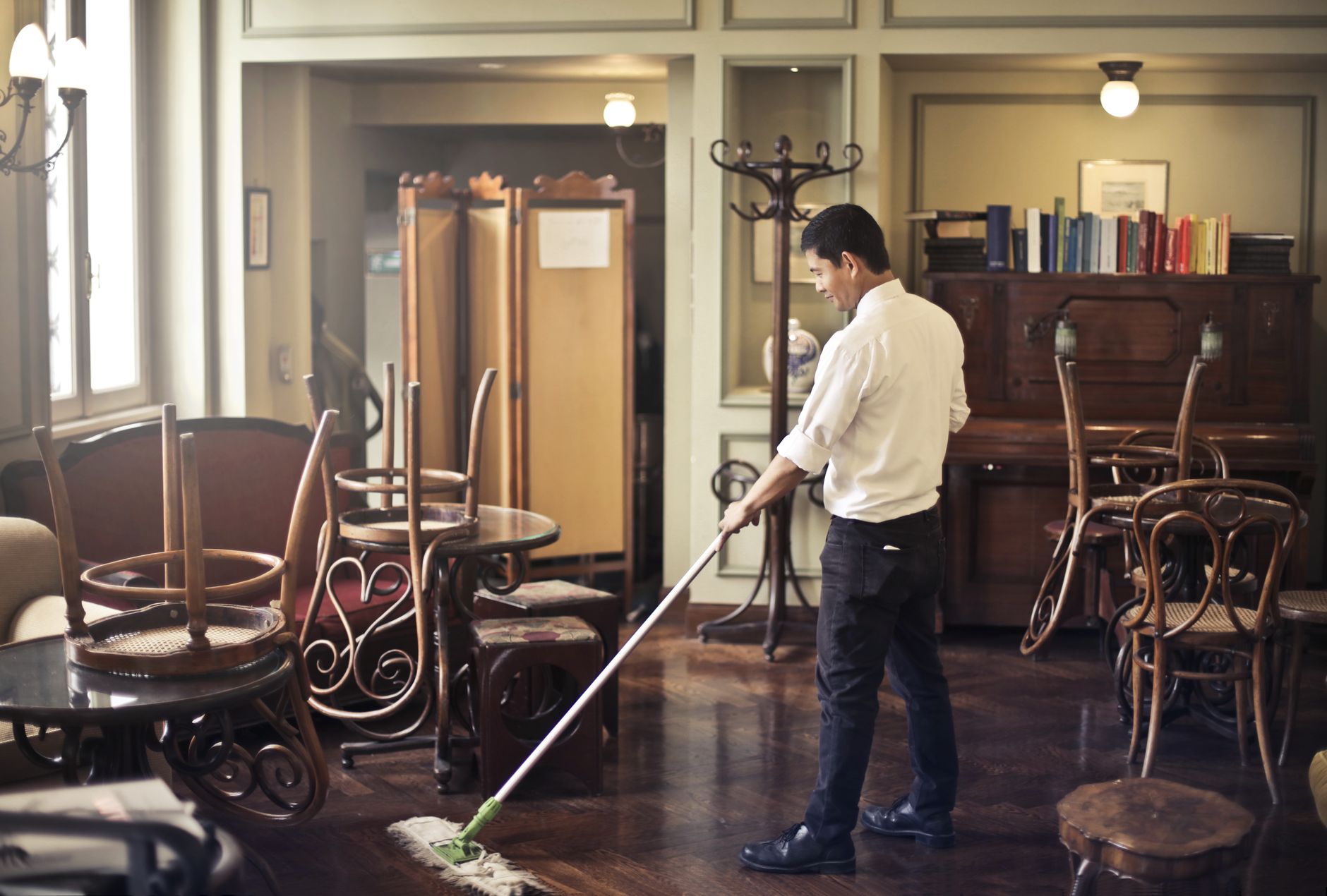
Steam mops are highly effective for sanitising hard floors without chemicals, using high-temperature steam to lift dirt and bacteria from sealed surfaces. By heating water to over 100°C, these tools eliminate the need for cleaning solutions while significantly reducing the drying time of your floors compared to traditional bucket-and-mop systems.
⚡ In a Rush? Key Takeaways
- Steam mops use approximately 1,200 to 1,500 watts per session, costing pennies per use.
- High-heat steam eliminates 99.9% of household bacteria without requiring chemical detergents.
- Floors typically dry within 60 seconds after steaming, versus 15 minutes for wet mopping.
- ✅ Best value: A mid-range corded unit provides the most consistent pressure and reliability.
Which Floor Types Can Safely Use a Steam Mop?
Steam mops are safe for sealed hardwood, tile, linoleum, and vinyl flooring but can permanently damage unsealed or waxed surfaces.
Can I use a steam mop on sealed hardwood?
Sealed hardwood floors withstand steam if the mop is used correctly and the finish is intact to prevent moisture from warping wood.
Many homeowners worry about water damage, but a high-quality steam mop releases vapour, not liquid water. If your hardwood is properly finished with polyurethane, the steam will not penetrate the wood grain.
Always ensure your floors are swept free of debris first. Steam mops work by pulling moisture through a microfibre pad; if grit remains on the floor, the mop can scratch your finish.
Is it safe for vinyl and laminate flooring?
Vinyl and laminate flooring require a low-steam setting to avoid softening the adhesive layers that hold the floor boards together.
- Check manufacturer warranties: Some vinyl brands void coverage if steam is used.
- Use the lowest setting: Avoid saturating the joints where water can seep in.
- Test an inconspicuous corner: Ensure the finish does not cloud under heat.
How Much Energy Does a Steam Mop Actually Use?
Steam mops typically draw 1.2 to 1.5 kWh per hour of use, resulting in an operating cost of roughly 3 to 6 cents per session.
Is a steam mop cheaper than chemical cleaning solutions?
A steam mop eliminates recurring costs for disposable floor wipes or bottled cleaning solutions, paying for itself within two years.
When you account for the price of specialised floor cleaners, a steam mop becomes an efficiency play. You replace consumable chemicals with tap water and a reusable microfibre pad.
Proper home cleaning systems rely on reducing ongoing expenses. By investing in a mop that uses washable pads, you avoid the waste associated with disposable cleaning sheets.
What are the hidden maintenance costs of steam cleaning?
Maintenance includes replacing microfibre pads annually and using demineralised water to prevent lime scale buildup inside the boiler.
If you live in a hard water area, mineral deposits can clog the internal heating element. This reduces the mop’s efficiency, forcing it to draw more power to reach the required temperature.
Are Steam Mops More Hygienic Than Traditional Mops?
Steam mops offer superior hygiene by killing 99.9 percent of bacteria using heat, unlike mops that merely spread germs in dirty water.
Do they remove allergens effectively?
Steam cleaning neutralises dust mites and pet dander allergens on contact, which is vital for maintaining a healthy bedroom and living space.
Traditional mopping often leaves a chemical residue that can attract dust. Steam leaves nothing behind but a dry floor, making it excellent for households with asthma or allergies.
For more on maintaining a clean environment, refer to our sleep environment guidance, where we discuss how floor cleanliness impacts air quality.
How often should I clean the mop pads?
Microfibre pads must be machine-washed after every use without fabric softener, which otherwise ruins the pad’s ability to absorb water.
If you find that the mop is leaving streaks, it is usually because the pad has become saturated with dirt or chemical residue from previous cleaning methods. Keep several pads in rotation to ensure you are always using a clean one.
Frequently Asked Questions
-
Does a steam mop remove stuck-on food?
Yes, the combination of high-heat steam and the scrubbing action of microfibre pads effectively lifts dried-on food spills from kitchens.
-
Is a corded mop better than a cordless model?
Corded mops provide unlimited runtime and higher steam pressure, making them superior for large homes over battery-operated alternatives.
-
How long does the water tank last?
Most tanks hold 300ml to 500ml of water, providing 15 to 20 minutes of continuous steaming, enough for a medium-sized kitchen or room.
-
Do steam mops leave floors slippery?
No, because steam evaporates almost instantly, leaving floors dry and safe to walk on within seconds of the mop head passing over them.
Find quick answers to common concerns about steam mop performance, safety, and operational costs for your daily floor cleaning routine.
If you are looking to refine your kitchen workflow, consider how your kitchen cleaning systems integrate with your floor care. Efficiency is about pairing the right tool with the right task to save both time and money.