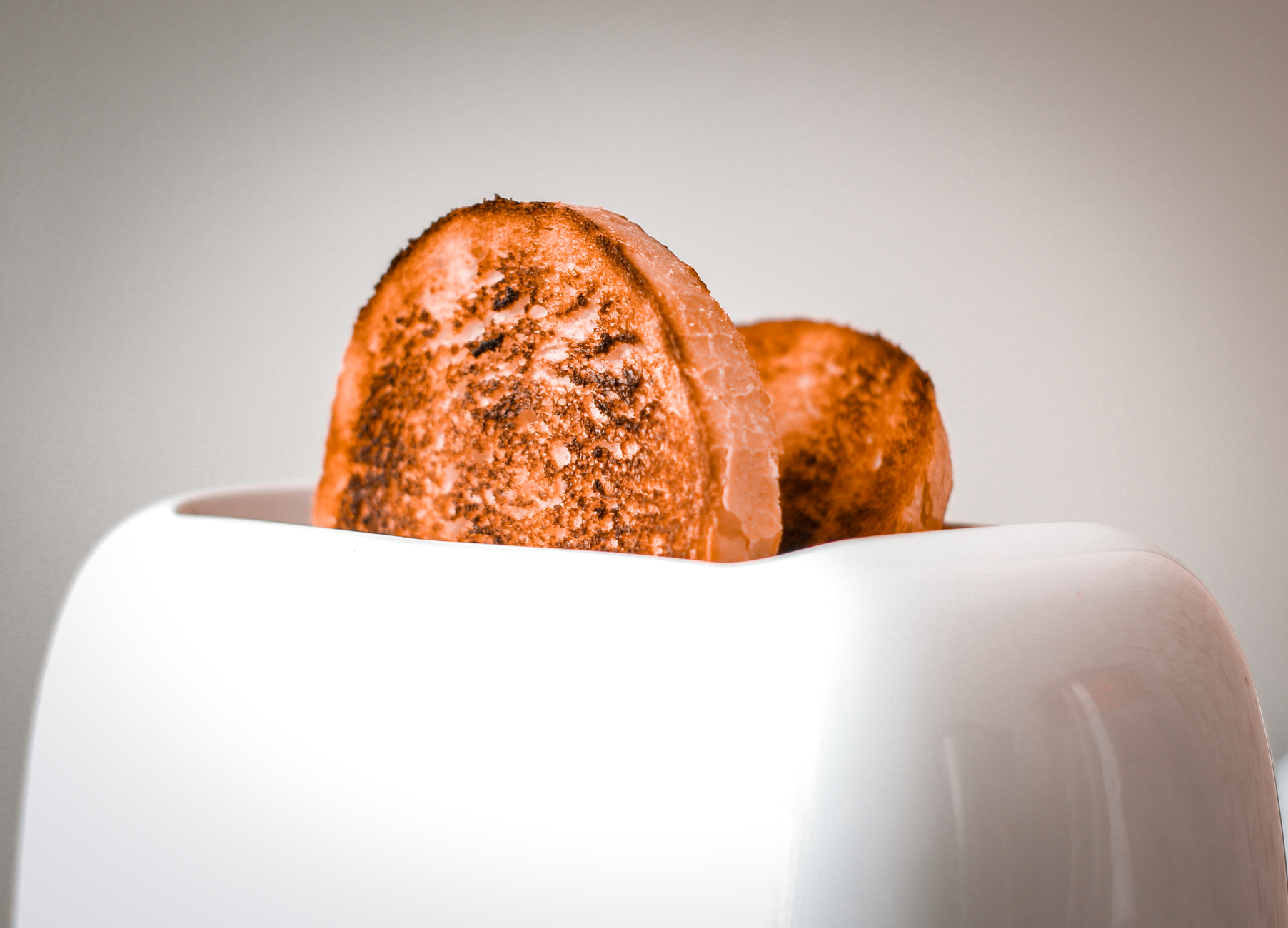
Toasters range from $20 entry-level units to $300 luxury models, but their primary function remains heating wire elements to crisp bread, which typically takes 90 to 180 seconds per cycle. While most basic models achieve this effectively, the difference in build quality, heat distribution, and slot width defines the value gap between a budget option and a long-term kitchen staple.
⚡ In a Rush? Key Takeaways
- Most basic toasters consume between 800 and 1500 watts per active usage cycle.
- Entry-level models often use thinner heating elements that degrade within 24 months.
- Premium models frequently offer repairable components, extending lifespan by 5+ years.
- ✅ Best value: A mid-range unit with wide slots and a 3-year warranty is ideal.
How Do You Choose Between Two-Slot and Four-Slot Toasters?
Two-slot toasters suit single-person households or limited counter space, while four-slot versions handle family needs more efficiently.
Why prioritize footprint in your kitchen workflow?
Kitchen space is finite, so choosing an appliance footprint that leaves room for prep work is essential for maintaining an effective workflow.
For most of my time testing kitchen equipment, I have found that larger is not always better. A four-slot model often occupies double the counter space, which might be unnecessary if you only toast two slices at once. If you are refining your kitchen systems, measure your available space before buying.
- Compact footprint allows for more meal prep area.
- Two-slot units typically consume less power per cycle.
- Four-slot units offer independent controls for different browning levels.
When is a four-slot toaster more efficient for families?
A four-slot toaster saves time during breakfast rushes by allowing you to toast bread, bagels, and pastries simultaneously for everyone.
If you have a busy morning routine, managing batches can be a bottleneck. The efficiency of a four-slot unit comes from the ability to keep different settings—like high heat for a frozen bagel and low heat for a thin slice of sourdough—running side-by-side.
What Features Actually Improve Toasting Performance?
Look for independent browning controls, high-lift levers for small items, and wide slots that accommodate artisan bread slices easily.
Does wattage indicate better toasting speed or quality?
Higher wattage often indicates faster toasting, but consistent heating elements are more important for preventing uneven browning spots.
Many consumers mistake higher wattage for better quality. In practice, a 1500-watt toaster might burn your bread in seconds if the heat distribution is uneven. A well-engineered 900-watt toaster with superior mica heating boards usually yields a more consistent result.
| Feature | Impact on Performance |
|---|---|
| Wide Slots | Allows for thicker artisan bread/bagels |
| High-Lift Lever | Prevents burnt fingers on small items |
| Mica Boards | Ensures even heat distribution |
How do you manage running costs for daily usage?
Running a toaster consumes electricity, and unplugging your unit when not in use prevents minor standby power draw in many models.
Though a toaster’s consumption is minor compared to large appliances, the cumulative energy usage matters. For those conscious of home energy costs, ensure your model does not have a digital display that remains lit, as these can draw power constantly.
Are Cheap Toasters Designed to be Disposable?
Many budget toasters use non-serviceable internal components, making them difficult to repair when heating elements eventually fail.
Why is repairability a key metric for long-term value?
Repairable toasters avoid the landfill, saving you money over time as you replace simple parts rather than the entire appliance unit.
In my experience, brands that offer replacement crumbs trays or accessible heating elements generally provide better value. When you purchase an appliance, consider whether you can realistically fix it yourself if a minor electrical connection slips.
What is the typical lifespan of a mid-range toaster?
A well-maintained mid-range toaster typically lasts five to seven years before the heating elements start to lose their consistency.
- Regularly clear the crumb tray to prevent fire hazards.
- Avoid forcing large items that might jam the internal mechanics.
- Store in a dry location to prevent moisture buildup on boards.
Frequently Asked Questions
-
Should I unplug my toaster when not in use?
Unplugging your toaster is a safe practice, especially if your model features digital screens or sensors that draw power on standby.
-
What does the “bagel” setting actually do?
The bagel setting typically activates only the inner heating elements to toast the cut side while warming the outer crust gently.
-
Can I toast frozen bread safely?
Yes, most toasters include a defrost function that adds a low-heat cycle before beginning the standard toasting process for you.
Final Verdict
Focus on build quality and slot size rather than flashy digital features to ensure your toaster remains a reliable kitchen companion.
Based on my data, models that balance simple mechanical controls with high-quality heating boards consistently deliver the best results. I suggest choosing a unit that fits your bread preferences rather than your counter’s aesthetic—your morning toast depends on it. — Greta Michaud, Home Appliance Efficiency Researcher
Cleaning and Maintenance of Toasters
Regular cleaning of toasters is essential for maintaining their performance and longevity.
Cleaning the toaster’s crumb tray regularly can help prevent fires and maintain the toaster’s efficiency. Additionally, wiping down the toaster’s exterior with a damp cloth can help remove any splatters or spills. For more thorough cleaning, some toasters have removable parts that can be washed with soap and water.
- Unplug the toaster before cleaning to avoid any accidents.
- Use a soft brush to remove crumbs from the toaster’s slots.
- Avoid using abrasive cleaners or scrubbers that can damage the toaster’s finish.