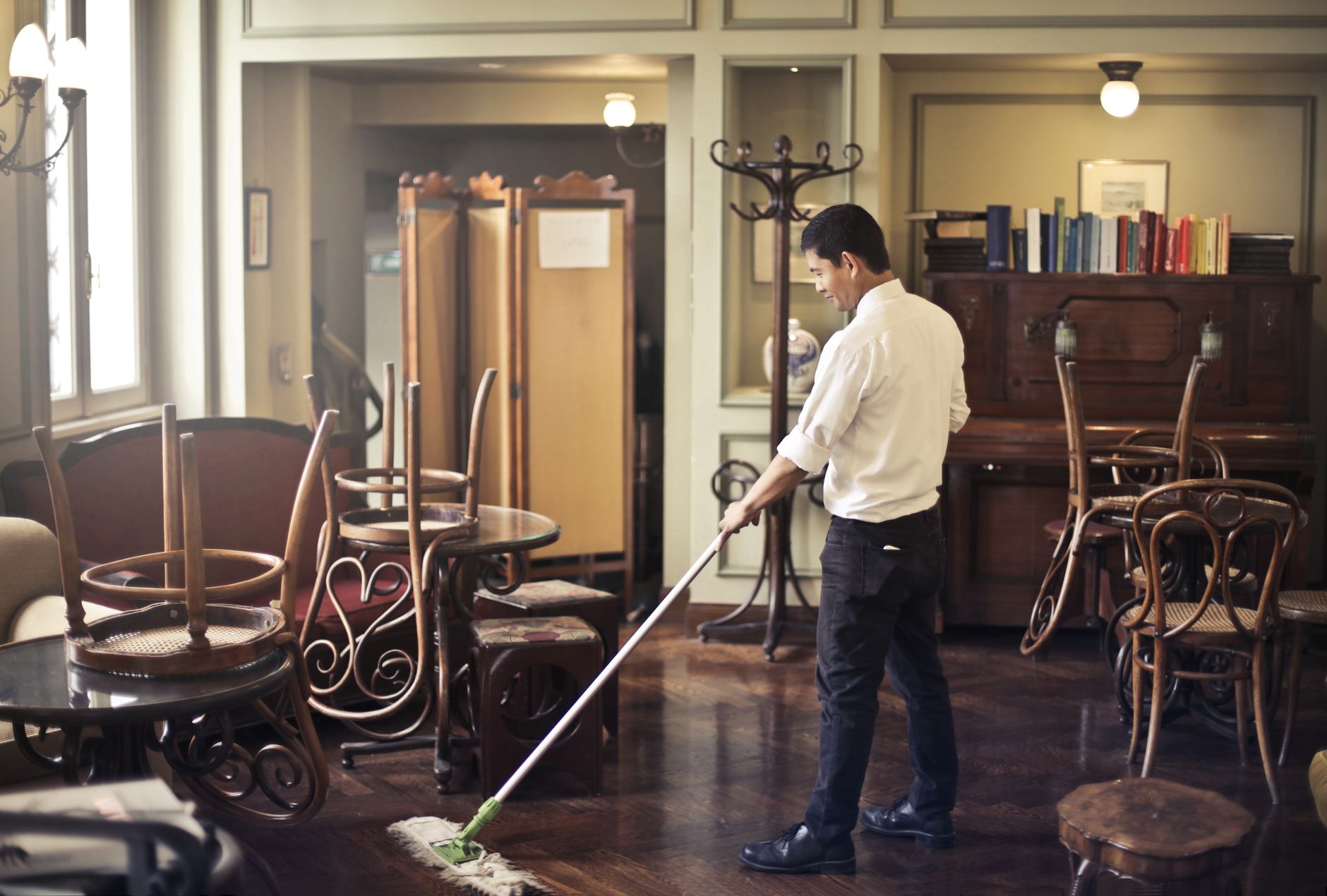
Steam mops are highly effective sanitizing tools for sealed hard floors that use high-temperature water vapor to lift grime without the need for chemical detergents. By eliminating the need for bottled floor cleaners and reducing physical scrubbing effort, they offer a meaningful upgrade to traditional mop-and-bucket workflows for most homeowners.
⚡ In a Rush? Key Takeaways
- Standard steam mops consume between 1,200W and 1,500W during active heating cycles.
- Using a steam mop can reduce your annual floor cleaning supply budget by roughly $40.
- Most units reach a sanitizing temperature of 212°F (100°C) within 30 seconds of activation.
- ✅ Best value: Choose a corded model with washable pads to minimize long-term replacement costs.
How Do Steam Mops Actually Work?
Steam mops heat water to 212°F in a small internal boiler, releasing pressurized steam through a cloth pad to dissolve dirt and kill bacteria.
What is the energy consumption of a steam mop?
Most steam mops draw 1.2 to 1.5 kWh per hour of use, costing approximately $0.20–$0.30 per cleaning session based on US electricity rates.
While the wattage seems high, steam mops operate intermittently. You are rarely running the heater continuously for an hour. Because the cleaning process is faster than manual mopping, the total energy expenditure per room is quite low.
- Average session time: 15 minutes
- Energy per session: 0.35 kWh
- Cost per session: $0.07 (avg US rate)
Do steam mops require distilled or tap water?
Using distilled water is highly recommended to prevent mineral scale buildup, which can clog the boiler and drastically shorten product lifespan.
Hard water is the primary enemy of any appliance that heats water. If you live in an area with high calcium or magnesium levels, tap water will leave white residue on your floors and eventually restrict the steam flow within the mop.
I suggest keeping a gallon of distilled water specifically for your mop. It is a small recurring cost that preserves the heating element. You can read more about managing appliance scale buildup to keep your machines running efficiently.
How to descale and maintain your steam mop
Regular descaling with a vinegar solution keeps the boiler clear and extends the mop’s life, especially if you occasionally use tap water.
To descale, fill the water tank with equal parts white vinegar and water, run the mop on a safe floor area for 2‑3 minutes, then let it sit for 15 minutes before rinsing the tank thoroughly with clean water.
Wipe the exterior, check the microfiber pad for wear, and store the mop upright with the tank empty to prevent moisture buildup inside the boiler.
- Mix 1 part white vinegar with 1 part water.
- Fill tank, run steam for 2‑3 minutes on a test area.
- Let solution sit 15 minutes, then empty and rinse tank.
- Wipe exterior, inspect pad, store upright with tank empty.
Are Steam Mops Safe for Every Floor Type?
Steam mops are safe for sealed hardwood, tile, and linoleum, but they can damage unsealed wood, laminate, or delicate vinyl floors easily.
Which floor surfaces should avoid steam mops?
Never use a steam mop on unsealed hardwood, wax-coated floors, or low-quality laminate where moisture can penetrate the delicate joints.
Excessive moisture is the primary risk for flooring. If your laminate has visible seams or the sealant has worn thin, the steam can cause the edges to swell or warp. Always check your flooring manufacturer’s warranty regarding steam cleaning before proceeding.
How can I test my floor’s compatibility?
Apply the steam mop to a hidden 6-inch section of your floor and wait one hour to check for any signs of swelling, discoloration, or lifting.
Testing in a closet or under a sofa is the only way to be certain. If the floor remains stable and dry, you are likely clear to proceed. For general floor care tips, consult my guide on sustainable floor care systems.
What Features Provide the Best Long-Term Value?
Look for units with washable microfiber pads and large water tanks, as these features reduce the need for constant, expensive consumables.
Is a cordless steam mop worth the higher price?
Cordless models typically offer lower steam output and shorter run times, often making them less efficient than their corded counterparts.
Battery technology is still catching up to the high-heat demands of steam generation. A corded mop ensures constant, high-pressure steam without the weight of heavy batteries. If you are interested in power usage, check my home appliance electricity cost calculator to compare your devices.
Why are washable pads superior to disposable ones?
Washable microfiber pads save approximately $30–$50 annually in replacement costs and produce significantly less household waste over time.
| Feature | Washable Pads | Disposable Pads |
|---|---|---|
| Annual Cost | $0 (reusable) | $45 |
| Environmental Impact | Low | High |
| Performance | Excellent | Average |
Frequently Asked Questions
-
Can I add floor cleaner to the steam mop tank?
No, adding chemicals to the tank can cause internal buildup, corrosion, and void the manufacturer’s warranty on the heating system.
-
How often should I change the steam mop pads?
Change the pad as soon as it appears saturated or grey to avoid simply pushing dirt back into the flooring surface during your cleaning.
-
Are steam mops effective against viruses and bacteria?
Yes, steam mops kill 99.9% of bacteria and common household viruses when used correctly on surfaces, provided you keep the steam over the area.
Here are common concerns regarding the daily operation, longevity, and overall utility of steam mops for residential cleaning in the US.
Last updated: March 2026 — Greta Michaud, Home Appliance Efficiency Researcher