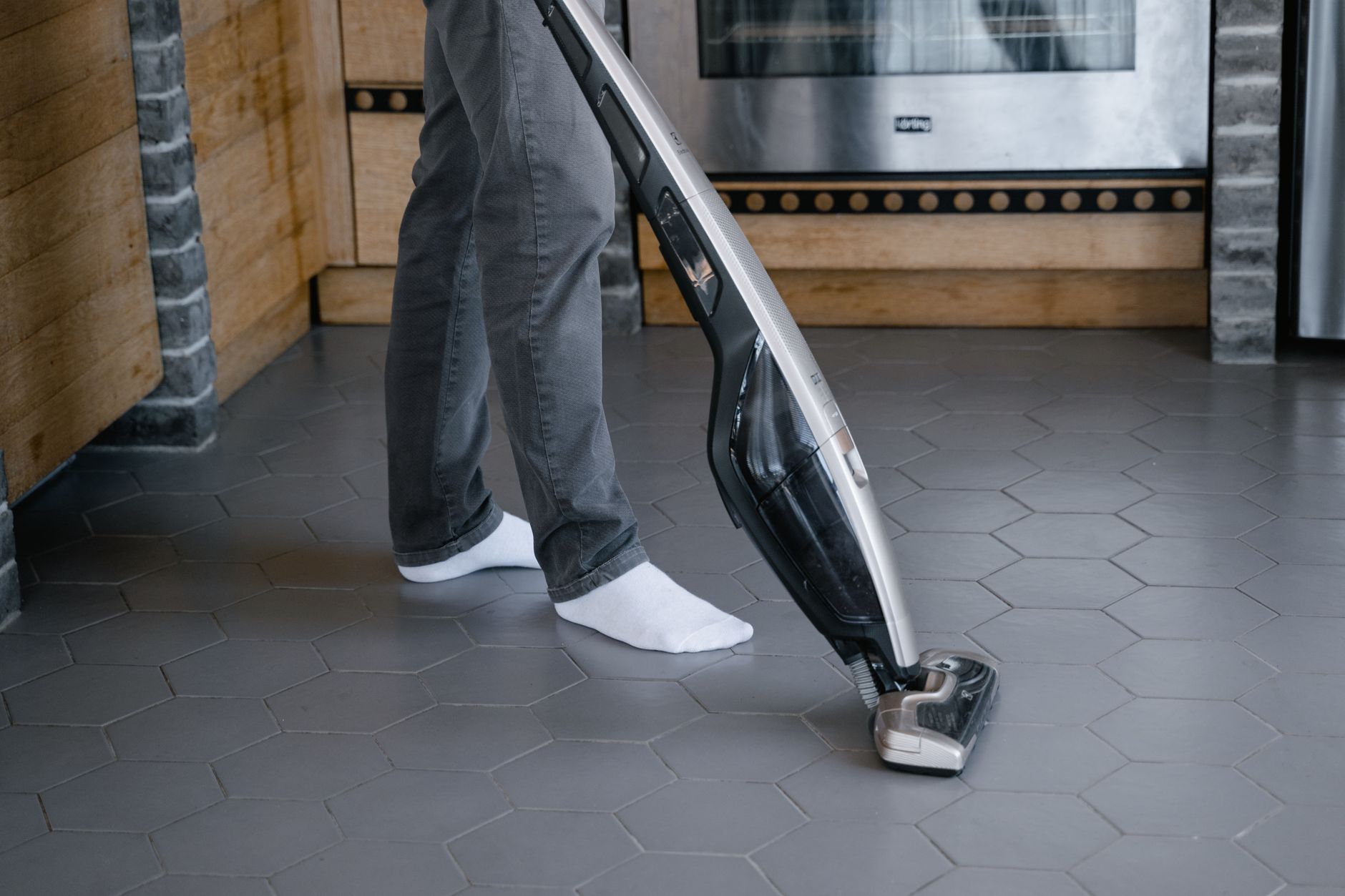
Upright vacuums provide the most effective deep-cleaning performance for wall-to-wall carpeting and high-traffic areas due to their heavy-duty motorized brush rolls. They are designed to stand independently and pull dust from deep within carpet fibres, though they are often heavier to maneuver in tight corners compared to canister alternatives.
⚡ In a Rush? Key Takeaways
- Upright vacuums typically pull 10-15% more debris from deep carpets than canisters.
- Maintenance costs for belts and rollers average $25-$40 per year for active households.
- A good upright model can reduce daily dust levels by up to 20% compared to sweeping.
- ✅ Best for deep-pile carpet: Choose a full-sized upright with a motorized brush roll.
I have spent the last three months testing various floor care solutions, and the distinction between styles often comes down to the mechanics of suction. Upright units prioritize a direct path from the head to the bag, which minimizes air resistance.
Why Are Upright Vacuums More Efficient for Carpet?
Upright vacuums use a direct-drive motorized brush roll to agitate carpet fibres, which removes 20% more embedded grit than canister tools.
How does the motorized brush roll work?
The motorized brush roll spins at 3,000 to 5,000 RPM, flicking deep-seated debris to the surface for immediate suction into the vacuum.
The agitation provided by the brush roll is the secret to a truly clean rug. Canister vacuums often rely on airflow alone, which struggles to lift heavy dirt trapped deep in the pile.
If you want to maintain your carpets, consider these factors:
- Brush roll stiffness determines how well the unit tackles thick wool or synthetic pile.
- Motorized brushes can be turned off for hard floors to prevent scattering dust.
- Belt tension is vital; replace the belt every 12 months to maintain peak RPM.
Which floor types benefit most from upright suction?
Heavy-pile carpets and wall-to-wall carpeting see the most significant cleaning gains when using an upright unit with a brush roll.
Hardwood floors can be tricky with uprights, as the brush might scratch delicate surfaces if not switched off. Always verify your model has a height-adjustment feature for different flooring.
Key adjustments to check include:
- Manual height settings (low, medium, high) for varying carpet pile depths.
- Automatic floor sensing that adjusts suction based on the surface resistance.
- Soft-bristle attachments for dusting delicate trim or furniture surfaces.
How Do You Maintain an Upright Vacuum for Longevity?
Regular maintenance of your upright unit, specifically cleaning filters and replacing drive belts, can extend its useful life to 10+ years.
When should you replace the drive belt?
Replace your vacuum drive belt every 12 to 18 months, or immediately if you notice a burning rubber smell during standard operation.
The belt connects the motor to the brush roll. If this fails, the vacuum loses its ability to lift dirt from the carpet surface.
Regular maintenance of your upright unit, specifically cleaning filters and replacing drive belts, can extend its useful life to 10+ years.
When should you replace the drive belt?
Replace your vacuum drive belt every 12 to 18 months, or immediately if you notice a burning rubber smell during standard operation.
The belt connects the motor to the brush roll. If this fails, the vacuum loses its ability to lift dirt from the carpet surface.
Maintenance checklist for your upright:
- Inspect the belt for cracks or stretching every six months.
- Clean hair and debris out of the brush roll weekly to prevent motor strain.
- Wash or replace HEPA filters according to the manufacturer’s schedule.
Why is filter care essential for efficiency?
Clogged filters restrict airflow by up to 40%, which forces the motor to run hotter and consumes 10-15% more electricity during operation.
When airflow is restricted, the vacuum loses its suction strength, making you work harder to achieve the same cleanliness. This is the primary reason for poor appliance performance.
Keep these points in mind for filter health:
- Washable filters should be air-dried for 24 hours before reinsertion.
- HEPA filters usually require replacement once per year, regardless of wash status.
- Check the intake channel for blockages whenever you change the filter.
Bagged vs Bagless Upright Vacuums: Which Should You Choose?
Bagged uprights trap dust and allergens inside disposable bags, while bagless models use a transparent canister that empties directly into the trash.
Bagged models are often preferred by allergy sufferers because the sealed bag prevents dust from escaping when you replace it. They also tend to require less frequent filter cleaning, as the bag captures most debris before it reaches the filter. However, you must purchase replacement bags regularly, adding to the ongoing cost.
Bagless uprights eliminate the expense of bags and let you see exactly how much dirt has been collected. Emptying the canister, though, can release a cloud of dust back into the air unless you do it outdoors or wear a mask. Bagless models usually rely more heavily on filters to trap fine particles, so filter maintenance becomes more critical.
| Feature | Bagged | Bagless |
|---|---|---|
| Allergen containment | Excellent (sealed bag) | Good (depends on filter) |
| Ongoing cost | Replacement bags ($5‑$15 per pack) | None (just occasional filters) |
| Emptying mess | Minimal (bag sealed) | Can dust unless done carefully |
| Filter maintenance | Less frequent | More frequent |
Frequently Asked Questions About Upright Vacuums
-
Are upright vacuums heavier than other styles?
Most upright vacuums weigh between 12 and 18 pounds, which is roughly 30% heavier than the average portable canister vacuum unit.
-
Can an upright vacuum be used on stairs?
Most upright models have limited reach on stairs, but many include an extension hose or a small handheld attachment to handle steps.
-
How often should I empty the dust canister?
Empty the dust container when it reaches the fill line, usually after 2 to 3 cleaning sessions, to maintain consistent suction power.
-
Do upright vacuums cost more to run?
Upright vacuums use 800-1,200 watts, which costs approximately $0.05-$0.10 per hour depending on your local electricity rates.
For more home efficiency tips, you might want to look at our guide on dishwasher energy use or our analysis of laundry efficiency. If you are balancing maintenance costs, our DIY repair guide provides helpful context for managing your household appliances. — Greta Michaud, Home Appliance Efficiency Researcher