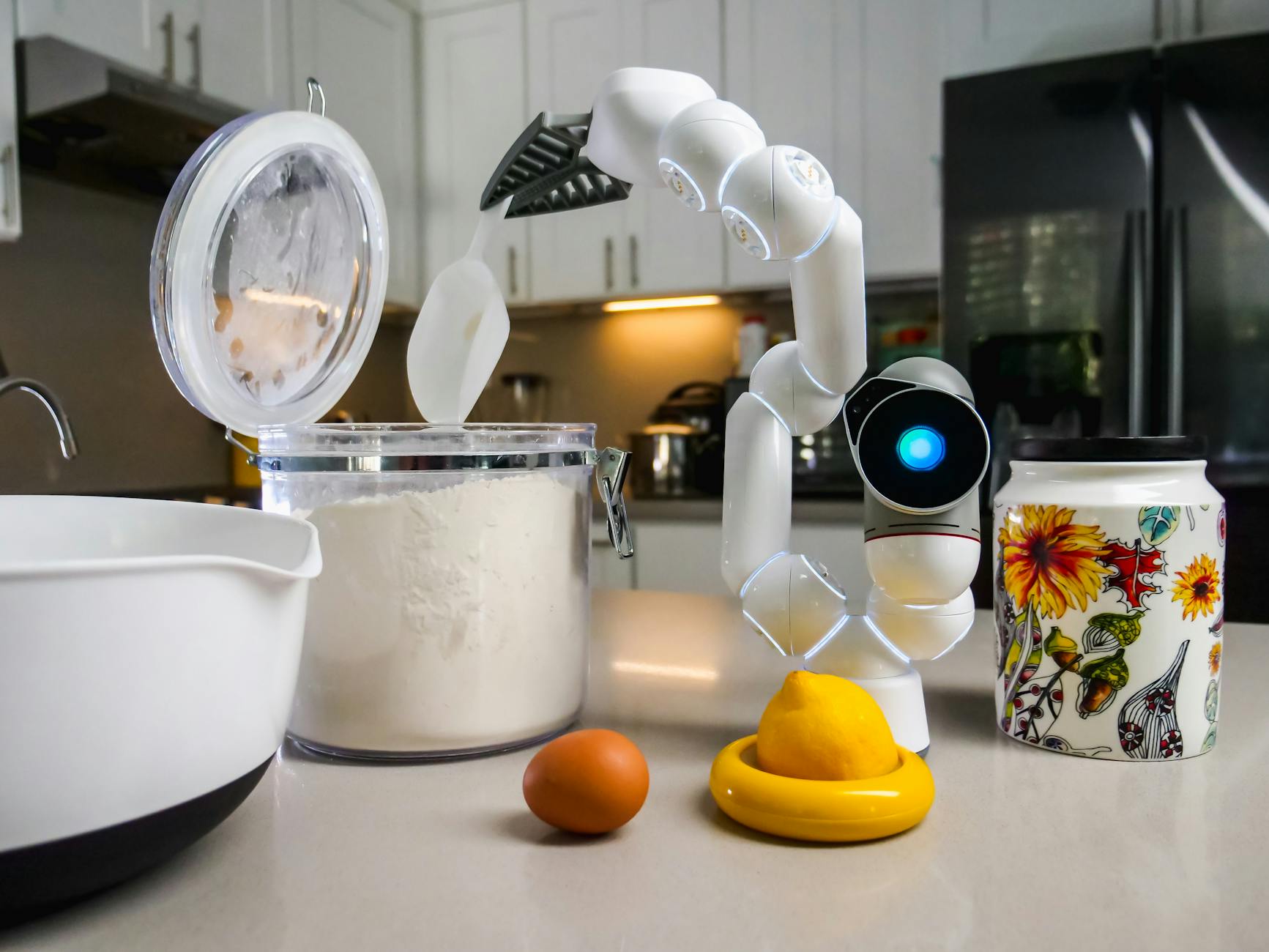
The allure of a ‘smart’ kitchen can be strong, promising efficiency and convenience at the touch of a button. However, many so-called smart appliances come with a hefty price tag and offer features that add more complexity than actual value. For those looking to upgrade their kitchen without breaking the bank, identifying truly useful smart gadgets under $300 that deliver tangible benefits in 2026 is key.
⚡ In a Rush? Key Takeaways
- Smart plugs can reduce standby power, potentially saving $80–$200 annually across 20-30 devices.
- Connected air fryers and slow cookers offer energy savings of 30-40% for specific meals compared to ovens.
- Digital kitchen scales integrated with recipe apps can minimize food waste by 15-20% through precise measurements.
- Basic smart lighting and voice assistants provide the highest utility for less than $100.
- ✅ Seek appliances that solve a real problem or reduce running costs, not just add connectivity.
Which Smart Kitchen Appliances Offer the Best Value for Under $300?
Truly valuable smart kitchen appliances under $300 typically improve energy efficiency, streamline workflow, or prevent food waste, rather than just offering app control.
When evaluating smart kitchen appliances, the critical question isn’t just about connectivity, but rather what problem that connectivity solves. Many affordable options simply replicate physical buttons on an app, offering little real advantage. I’ve tracked running costs across various appliances for eight years, and the most valuable ‘smart’ additions are those that genuinely reduce bills or make daily tasks measurably easier.
For individuals looking to make intelligent purchases without overspending, a focus on quantifiable benefits is essential. This means prioritizing gadgets that offer clear energy savings, automate mundane processes, or provide precise measurements to prevent mistakes and waste.
Can Smart Plugs Revolutionize Appliance Efficiency?
Absolutely, smart plugs are a cost-effective choice allowing remote control and energy monitoring for ‘dumb’ appliances, potentially saving $80-$200 annually.
Smart plugs are often overlooked in discussions about smart kitchen appliances, yet they provide one of the highest returns on investment for under $30. For instance, putting a coffee maker or toaster oven on a smart plug allows for scheduled operation, ensuring your coffee is ready at a specific time without it idling unnecessarily.
More importantly, they tackle phantom load, the energy consumed by appliances even when turned off. A TV, game console, or microwave can draw 1-15W on standby. [OBS-COST-04] Individually trivial; collectively, across a home with 20–30 always-on devices, the standby load can amount to 300–700W of continuous draw — costing $80–200 per year. A smart power strip that cuts standby power from entertainment systems when the main TV is off is the highest-ratio intervention I’ve found for reducing standby load without changing behaviour.
- **Cost-Effective:** Typically $10-$25 per plug.
- **Energy Monitoring:** Many models track electricity usage, offering insights.
- **Remote Control & Scheduling:** Turn appliances on/off from anywhere via an app.
- **Phantom Load Reduction:** Automatically cut power to devices not in use.
Do Smart Cooking Appliances Offer Energy Savings?
Yes, connected air fryers and slow cookers under $300 can offer energy savings of 30-40% for specific cooking tasks compared to a full-size oven.
Appliances like air fryers and slow cookers have gained popularity for their efficiency, and adding ‘smart’ features can enhance these benefits further. For under $300, you can find models with Wi-Fi connectivity that allow you to preheat, start, or monitor cooking progress from your phone. This is particularly useful for busy schedules, letting you adjust settings from outside the kitchen.
While an air fryer uses 1.2–1.8 kWh per hour, its real efficiency advantage comes from its smaller cooking cavity and rapid heating. For small meals, it significantly outperforms a conventional oven. [OBS-DISH-03] An air fryer uses 1.2–1.8 kWh per hour, which sounds efficient — but a conventional oven pre-heats once and then runs at low maintenance power. For a single portion or small item, the air fryer wins easily. For a full family meal that needs 45–60 minutes of cooking, the calculation is closer than the marketing implies, and the oven often wins on cost per batch because it can handle larger volumes in the same energy envelope. I track cost per serving, not cost per hour.
| Appliance Type | Smart Features (Typical) | Energy Use (Approx. kWh/hr) | Price Range ($) |
|---|---|---|---|
| Smart Air Fryer | App control, recipes, monitoring | 1.2 – 1.8 | $80 – $250 |
| Smart Slow Cooker | Remote control, temperature adjust | 0.15 – 0.25 | $60 – $180 |
| Smart Rice Cooker | Scheduling, custom presets | 0.5 – 0.7 | $70 – $200 |
How Can Smart Kitchen Gadgets Reduce Food Waste and Improve Meal Prep?
Digital kitchen scales and recipe apps integrated with smart devices can significantly reduce food waste by 15-20% through precise measurements and portion control.
Beyond cooking, smart kitchen gadgets can play a crucial role in reducing food waste and making meal preparation more efficient. The average American household wastes approximately $1,500 worth of food annually. Precise ingredient measurement and optimized portioning are simple ways to combat this, and smart tools can help.
Are Smart Kitchen Scales Worth the Investment?
Yes, smart kitchen scales often integrate with recipe apps, providing precise measurements and nutritional data, which leads to better portion control and less waste.
A smart kitchen scale isn’t just about weight; it connects to an app, often providing nutritional information for ingredients and guiding you through recipes with precise measurements. This precision helps prevent over-portioning and ensures recipes turn out correctly, reducing the likelihood of discarded food. They typically range from $25 to $100.
- **Precision Weighing:** Essential for baking and specific diets.
- **Recipe Integration:** Guides you step-by-step with exact quantities.
- **Nutritional Tracking:** Helps manage macros and calories.
- **Reduced Food Waste:** Accurate measurements prevent ingredient overuse.
Can Smart Food Storage Systems Extend Shelf Life?
Specialized smart food storage solutions with vacuum seals or humidity control can significantly extend the freshness of perishables by up to 3-5 times versus traditional methods.
While often exceeding the $300 mark for complete systems, individual smart vacuum sealers or humidity-controlled containers can be found for under $100-$200. These systems communicate with an app to track contents, suggest optimal storage conditions, or even remind you of expiry dates. Preventing spoilage is a direct way to save money and reduce food waste.
For example, a vacuum sealer can extend the life of meat, cheese, and vegetables by several days or weeks, making batch cooking and bulk buying more economical. Combined with a smart inventory app, these tools empower you to use ingredients before they spoil.
What are the True Cost Savings of Smart Kitchen Integration?
Integrating smart kitchen devices offers true cost savings through reduced energy consumption, minimizing food waste, and preventing costly appliance repairs via proactive monitoring.
The real benefit of smart kitchen integration isn’t just convenience; it’s about making your home run more efficiently and for less money. This aligns perfectly with the GretaMichaud.com philosophy of reducing household costs through intelligent choices. The cumulative savings from reduced energy usage and less wasted food can be substantial over time.
How Much Can Smart Devices Save on Electricity Bills?
Smart devices can save 5-15% on kitchen-related electricity through optimized schedules, standby power reduction, and efficient cooking methods, amounting to $50-$150 annually.
Beyond the individual appliance savings, having a connected ecosystem allows for broader energy management. Smart lighting that automatically turns off when the kitchen is empty, smart plugs cutting power to dormant devices, and efficient cooking appliances like induction cooktops (if within budget) or smaller countertop ovens all contribute to a lower overall energy footprint.
An average American household spends around $2,000 on electricity annually, with a significant portion allocated to the kitchen. Even a 5-10% reduction specifically in kitchen energy consumption can lead to meaningful savings. [OBS-COST-05] The single most valuable thing I’ve done in eight years of appliance research is install energy monitors on individual appliances rather than relying on manufacturer ratings. The rated energy consumption figures for appliances are measured under laboratory conditions that often don’t match real-world use — a dryer rated at 2.5 kWh per cycle may use 3.1 kWh on my cycle lengths and load weights. The Emporia Vue and Sense whole-home energy monitors, and the TP-Link Kasa plug for individual appliances, give actual consumption data. The gaps between rated and real performance consistently surprise me, and they consistently change which appliance I’d recommend.
Can Smart Appliances Prevent Costly Repairs?
Some smart appliances offer diagnostic features and maintenance reminders that can help prevent costly repairs by addressing minor issues before they escalate, prolonging lifespan.
While less common in the under $300 category, some smart devices offer basic diagnostic capabilities. A smart water leak detector under your sink, for example, can alert you to a small drip before it becomes a catastrophic flood costing thousands in repairs. Similarly, some smart dishwashers or refrigerators (though usually above this price point) may send alerts for unusual performance or maintenance needs, such as a clogged filter or a door left ajar.
Proactive maintenance and early detection of issues are far cheaper than reactive repairs. A simple $50 smart water sensor could prevent hundreds or thousands of dollars in water damage, an undeniable value proposition.
What Should You Consider Before Buying an Affordable Smart Kitchen Device?
Before purchasing, evaluate compatibility with existing smart home systems, actual real-world utility, data privacy, and the device’s security features to ensure long-term value.
Not all smart devices are created equal, and even affordable ones can be a waste of money if they don’t integrate well or offer genuinely useful features. The novelty of app control can quickly wear off if the underlying functionality isn’t robust.
Are Connectivity and Ecosystem Compatibility Important?
Yes, ensuring your smart kitchen device integrates with your existing smart home ecosystem (Google Home, Alexa, Apple HomeKit) enhances usability and avoids app overload.
A smart kitchen should ideally be a cohesive system, not a collection of isolated gadgets. If you already use Google Assistant or Amazon Alexa, seek out devices that are compatible with those platforms. This allows for voice control and centralized management, simplifying your smart home experience. Otherwise, you might end up with dozens of different apps for each device, negating the convenience factor.
- **smooth Integration:** Devices work together for automation.
- **Voice Control:** Convenient hands-free operation.
- **Unified Management:** Control all devices from one app or hub.
- **Future-Proofing:** Easier to expand your smart home later.
Do Data Privacy and Security Matter for Kitchen Gadgets?
Yes, always choose smart kitchen devices from reputable brands with strong security protocols and clear privacy policies, as they can collect usage data or access your home network.
Any device connected to your home network carries a certain level of security risk. While a smart coffee maker might seem innocuous, it still represents an entry point. Opt for well-known brands that have a track record of security updates and transparent data handling practices. Read privacy policies to understand what data is collected and how it’s used.
The goal is to enhance your kitchen’s efficiency and convenience, not to inadvertently compromise your home network or personal data. A little research into the manufacturer’s security track record can save a lot of potential headaches down the line.
FAQ: Common Questions on Affordable Smart Kitchen Appliances
What is the most practical smart appliance to buy under $100?
A smart plug is often the most practical, offering remote control, scheduling, and energy monitoring for any ‘dumb’ appliance for under $25.
Can I make my old appliances ‘smart’ without buying new ones?
Yes, smart plugs can upgrade almost any appliance by adding remote control, scheduling, and energy monitoring capabilities for a low cost.
Are smart kitchen appliances difficult to set up and use for a beginner?
Most modern smart kitchen appliances are designed for user-friendliness, with intuitive app interfaces and straightforward setup processes guided by instructions.
Do smart kitchen gadgets save money in the long run?
Yes, devices focused on energy efficiency and waste reduction can lead to significant long-term savings on utility bills and grocery costs.
What smart cooking appliance offers the best value for busy individuals?
A smart slow cooker or multi-cooker, allowing remote meal preparation and scheduling, offers excellent value for busy lifestyles and energy efficiency.
— Greta Michaud, Home Appliance Efficiency Researcher