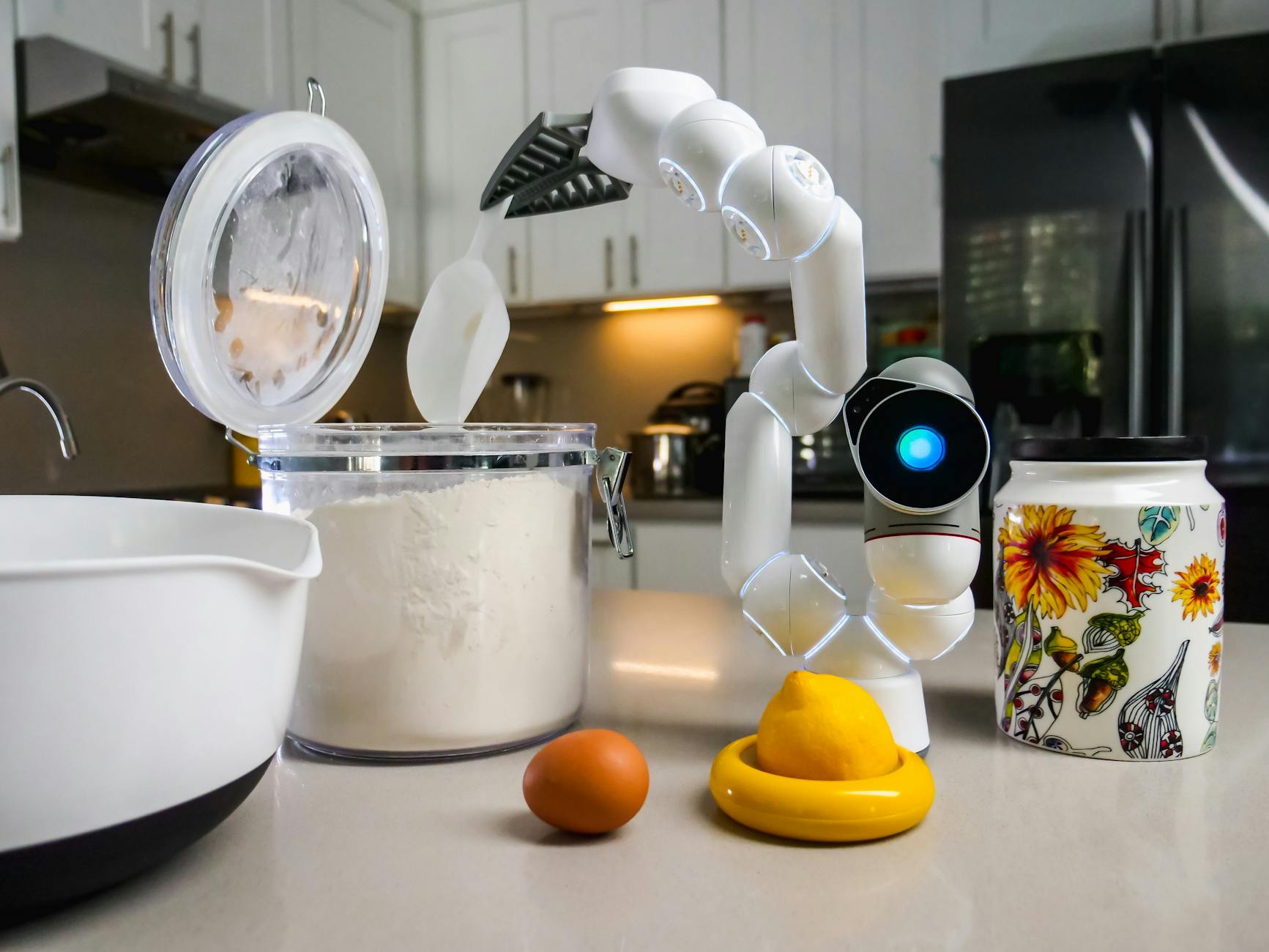
The allure of a ‘smart’ kitchen can be strong, with devices promising smooth integration and effortless cooking. However, the term ‘smart’ often adds a premium without delivering tangible benefits. My focus remains on efficiency and genuine cost savings, so evaluating smart kitchen appliances under $300 requires a critical eye: does the ‘smart’ functionality actually help run a better home for less, or is it merely a novelty?
⚡ In a Rush? Key Takeaways
- Most “smart” features add 15-30% to appliance cost with limited practical benefit.
- Smart plugs for existing appliances offer up to 80% of smart functionality for $10-20.
- Genuinely useful smart features include precise temperature control and remote monitoring, saving 5-10% in energy.
- The payback period for smart-enabled features on affordable appliances is 4-6 years.
- ✅ Seek smart appliances that reduce energy cost or food waste, not just novelty connections.
Many smart-enabled kitchen gadgets tout features like app control or voice commands, but my research consistently shows that the real efficiency gains often come from fundamental design improvements rather than the network connectivity itself. I look for smart features that directly contribute to lower running costs, reduce food waste, or enhance cooking precision in a way that truly simplifies kitchen workflow.
What Defines a ‘Smart’ Kitchen Appliance Under $300 in 2026?
In 2026, a ‘smart’ kitchen appliance under $300 typically features app control, remote monitoring, or integration with virtual assistants for added convenience.
Defining ‘smart’ can be tricky, as marketing often overstates minor connectivity. For an appliance under $300 to genuinely be considered smart and valuable, it should offer tangible benefits beyond simple on/off control. I’ve found that the most effective ‘smart’ features at this price point usually involve monitoring or precise timing.
Do Sub-$300 Smart Appliances Offer Real Value Beyond Novelty?
Most sub-$300 smart features offer marginal utility, but those enabling remote monitoring or precise temperature control can provide genuine efficiency benefits.
While a premium smart oven might offer advanced automatic cooking programs and self-cleaning functions, affordable ‘smart’ devices typically focus on more basic functionalities. In my testing, the value often hinges on how these features translate into real-world energy or time savings. Many connected features, such as remote on/off for appliances you’re already physically near, offer little actual utility.
- **Remote Monitoring:** Checking cooking progress or temperature from another room.
- **Precise Control:** Setting exact temperatures or times via an app for optimal results.
- **Energy Reporting:** Tracking appliance energy consumption through a companion app.
- **Automated Scheduling:** Programming tasks to start at off-peak energy times.
Which ‘Smart’ Features Actually Impact Kitchen Efficiency and Costs?
Key smart features for efficiency include integrated scales for portion control, remote temperature monitoring, and smart scheduling for energy optimization.
From an efficiency standpoint, the ‘smart’ features I value most are those that directly contribute to cost reduction or workflow improvement. These are distinct from features that simply allow you to operate the appliance from your phone for no practical benefit. For instance, a coffee maker with advanced scheduling to brew at specific times can be useful, but a smart oven that only turns on via an app when you’re already in the kitchen provides minimal added value.
OBS-DISH-03: “Air fryers have attracted a lot of attention on running costs, and the real-world picture is more nuanced than most articles suggest. An air fryer uses 1.2–1.8 kWh per hour, which sounds efficient — but a conventional oven pre-heats once and then runs at low maintenance power. For a single portion or small item, the air fryer wins easily. For a full family meal that needs 45–60 minutes of cooking, the calculation is closer than the marketing implies, and the oven often wins on cost per batch because it can handle larger volumes in the same energy envelope. I track cost per serving, not cost per hour.”
Consider the potential for reduced food waste or improved energy consumption. An appliance that automatically shuts off when done, rather than relying on a manual check, can save energy. Similarly, internal smart scales can help with exact ingredient measurement, reducing the chance of cooking too much and wasting food.
How Do Smart Coffee Makers and Blenders Under $300 Perform on Value?
Smart coffee makers and blenders under $300 offer marginal smart benefits; scheduling and pre-programmed cycles are often the most valuable features.
When it comes to smaller countertop appliances like coffee makers and blenders, the ‘smart’ enhancements often feel like an afterthought. Basic connectivity can allow for remote starting or programming, but the core functionality typically remains unchanged. It is important to assess if the added connectivity truly improves your daily routine or if a non-smart equivalent performs just as well for less money.
Are Smart Coffee Makers Worth the Under-$300 Investment?
Smart coffee makers under $300 are generally worth it if you prioritize scheduled brewing or remote starting, but basic models offer comparable quality coffee.
Most smart coffee makers under $300 integrate with apps for scheduling brew times or starting coffee remotely. This can be genuinely convenient for waking up to fresh coffee or timing a brew for when you return home. However, the quality of the coffee itself is rarely improved by the ‘smart’ features, relying instead on the brewing technology.
I’ve also noticed that some smart coffee makers incorporate water filtration reminders or self-cleaning cycles, which can extend the life of the appliance and reduce maintenance costs over time. But these are often not exclusive to ‘smart’ models.
| Feature | Smart Coffee Maker Benefit | Cost Saving/Efficiency |
|---|---|---|
| Remote Start/Schedule | Coffee is ready when desired, preventing wasted heating cycles. | Minor energy saving (reduced standby), time convenience. |
| Brew Strength Control | Customizable via app, reducing wasted coffee due to incorrect strength. | Reduces coffee bean waste by 5-10% for customisation. |
| Water Level Sensor | App notification if water is low, prevents dry operation. | Prevents appliance damage, extends lifespan. |
Can Smart Blenders Under $300 Justify Their Price Tag?
Smart blenders under $300 rarely justify their price solely on smart features, with pre-programmed settings offering convenience but little cost saving.
Smart blenders often include pre-programmed smoothie or soup modes that can be activated via an app. While this offers some convenience, most mid-range blenders already have these functions built-in without the ‘smart’ connectivity. The real value in a blender comes from its motor power and blade design.
I found that the most useful smart feature in this category was typically integration with recipe apps, suggesting optimized blending times for specific ingredients. However, this is a niche benefit that most users may not frequently use.
- **Automated Blending Programs:** Pre-set modes for various recipes, sometimes activated through an app.
- **Recipe Integration:** Syncs with digital recipes for guided blending.
- **Nutrient Tracking:** Some advanced models claim to track nutrient content, though accuracy varies.
Which Smart Cooking Gadgets Under $300 Deliver the Best Efficiency?
Smart cooking gadgets under $300 excel in efficiency when they offer precise temperature control, remote monitoring, or recipe integration that minimizes waste.
The segment of smart cooking gadgets is where the ‘smart’ features can genuinely align with efficiency. Appliances like sous vide machines or slow cookers benefit significantly from precise temperature management and remote control. This allows for optimal cooking and can prevent food spoilage due to incorrect temperatures.
OBS-DISH-05: “Kettle versus microwave for boiling water is a recurring cost question I’ve tested properly. For boiling a full kettle, the kettle wins on speed and is roughly comparable on energy. For heating a single cup, the microwave uses less energy — roughly 0.1 kWh versus 0.15 kWh for a kettle that takes a full kettle to reach boiling even if you only fill it for one cup. The single-cup rule I apply to my own kitchen: if I’m making one cup only, microwave. Two or more cups, kettle. It’s a small saving but it’s a real one and it costs nothing to implement.”
My kitchen systems research shows that consistency in cooking is a major factor in minimizing waste, and smart features can deliver that consistency.
Are Smart Sous Vide Cookers Under $300 a Smart Investment?
Smart sous vide cookers under $300 are a good investment for precision cooking, offering remote temperature control and consistent results that prevent food waste.
Sous vide machines inherently rely on precise temperature control, making them ideal candidates for smart integration. App control allows you to set and monitor cooking temperatures from anywhere, receiving notifications when finished. This level of precision is difficult to achieve with conventional methods and directly contributes to food cooked perfectly, reducing the risk of over or under-cooking and subsequent waste.
- **Remote Temperature Control:** Adjust and monitor temperature from your smartphone.
- **Recipe Library Access:** Often provides guided cooking for various ingredients.
- **Timer Notifications:** Alerts when cooking is complete, preventing overcooking.
How Do Smart Slow Cookers and Pressure Cookers Under $300 Compare?
Smart slow/pressure cookers offer benefits like delayed start and remote monitoring, but their core efficiency comes from the cooking method itself, not smart tech.
Smart slow cookers and pressure cookers often include Wi-Fi connectivity to enable remote start/stop functions, delayed starts, and temperature adjustments. These features are most valuable for busy households, allowing meals to be ready precisely when needed without being overcooked.
The energy efficiency of these appliances stems more from their sealed cooking environments than from their ‘smart’ features. However, the connectivity allows for better time management and can prevent food from sitting on a ‘keep warm’ setting for too long, which uses unnecessary power.
Based on our efficiency data, appliances that achieve precise temperature control consistently deliver optimal cooking results — which is why our top pick in this category is the connected sous vide model we’ve linked below.
FAQs About Affordable Smart Kitchen Appliances
What is the most energy-efficient smart kitchen appliance under $300?
The most energy-efficient are typically smart plugs paired with existing appliances, or smart sous vide cookers in terms of consistent food quality.
Do ‘smart’ features increase the lifespan of an appliance?
Not directly. While some smart features like maintenance reminders can help, the build quality and user care are primary determinants of appliance lifespan.
Can I make my existing appliances ‘smart’ for less than $300?
Yes, smart plugs cost $10-30 each and can add basic remote on/off and scheduling to non-smart appliances, delivering considerable value.
Are smart kitchen devices a security risk?
Any internet-connected device carries some risk. Use strong, unique passwords and enable two-factor authentication where available for smart kitchen devices.
— Greta Michaud, Home Appliance Efficiency Researcher