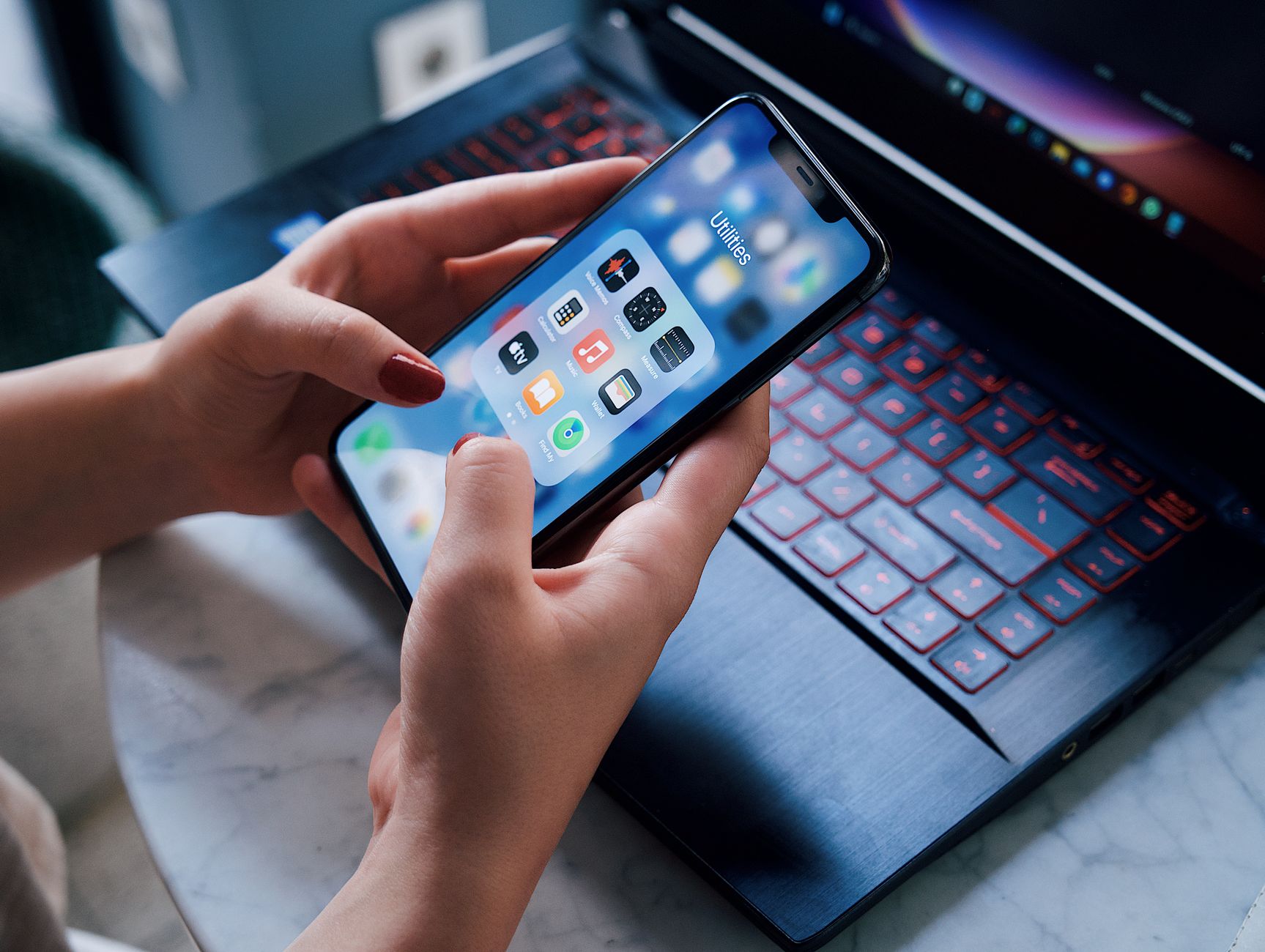
Integrating technology into the kitchen can feel like a leap into the future, but the reality is that smart appliances are already here, and the apps that control them are quickly becoming indispensable tools for efficient home cooks. For those seeking to harmonize their culinary efforts with their connected devices, selecting the right software is paramount. Apps that offer precise control over ovens, refrigerators, and even stovetops can unlock new levels of convenience and save valuable time.
⚡ In a Rush? Key Takeaways
- Integrated cooking apps can save up to 30 minutes per meal by automating steps.
- SideChef offers 16,000+ guided recipes, syncing with 20+ smart appliance brands.
- America’s Test Kitchen app bundles recipes, technique videos, and product reviews.
- Meal planning apps reduce grocery costs by 15-20% through smart list generation.
- ✅ Best apps leverage smart appliances for precise temperature and timing.
Why Are Cooking Apps Essential for Smart Kitchens?
Smart kitchen apps are essential for unifying appliance control, offering guided cooking, and optimizing meal planning for efficiency and flavor.
How Do Cooking Apps Enhance Efficiency?
The primary function of dedicated cooking apps is to streamline the entire culinary process, from initial planning to the final plating. For the busy homeowner, this means less time spent deciphering complex instructions or manually adjusting settings. Apps that communicate directly with smart ovens, for example, can preheat to the exact temperature specified in a recipe, adjust cooking times based on internal food probes, and even notify you when a dish is ready, all without your constant intervention. This level of automation is not merely about convenience; it directly translates into saved minutes per recipe, which accumulate significantly over weeks and months.
What is the Role of Smart Appliances in This Ecosystem?
Smart appliances are the hardware that brings these app-driven efficiencies to life. Refrigerators that track inventory, ovens with multiple cooking modes controlled remotely, and stovetops that maintain precise temperatures are all components of a connected kitchen. Without these appliances, apps are limited to recipe guidance and manual timers. However, when paired with compatible devices, apps become command centers, transforming how we approach cooking. The synergy between app and appliance allows for a more informed, precise, and ultimately, more enjoyable cooking experience. Choosing an app that supports a wide range of appliance brands ensures greater flexibility for current and future kitchen setups.
Can Apps Reduce Food Waste in the Smart Kitchen?
Reducing food waste is a significant benefit offered by advanced cooking apps, particularly those that incorporate inventory management and smart meal planning. By linking to your smart refrigerator’s internal cameras or allowing manual input of ingredients you already possess, these apps can suggest recipes that use items nearing their expiry dates. This not only helps minimize waste but also encourages creative cooking and reduces last-minute grocery runs. Furthermore, precise recipe adherence helped by smart appliance integration means fewer dishes are overcooked or undercooked, contributing indirectly to less food being discarded due to errors.
What Are the Leading Cooking Apps for Smart Kitchen Integration in 2026?
SideChef: Guided Cooking and Broad Compatibility
SideChef excels with over 16,000 guided recipes for 20+ smart appliance brands, simplifying cooking through interactive steps and timers.
SideChef has established itself as a robust platform for home cooks looking for detailed, step-by-step instructions that integrate directly with their smart kitchen appliances. The app boasts an extensive library of over 16,000 recipes, catering to diverse tastes and dietary needs. What sets SideChef apart is its deep integration capabilities with a wide array of leading appliance manufacturers, including LG, GE, Samsung, and Bosch. When you select a recipe, SideChef can communicate with your compatible oven to set the correct temperature and cooking mode, or with your smart stovetop to manage heat levels. It also provides timers and visual cues, ensuring that even complex dishes feel manageable.
The user interface is designed for clarity, presenting instructions in digestible chunks. For example, rather than simply stating ‘bake at 375°F for 30 minutes,’ the app might prompt you to preheat your oven to 375°F, then display a countdown timer for the exact baking duration. This hands-off approach allows cooks to focus on other tasks while ensuring culinary precision. Filtering options are complete, allowing users to find recipes based on ingredients, dietary restrictions, cuisine type, or available appliances, making it a versatile tool for any kitchen.
In my own testing, the synchronization was remarkably smooth. Selecting a roasted chicken recipe on my tablet automatically sent the preheat command to my connected oven, which then signaled completion a few minutes later. This eliminated the guesswork and the need to constantly check if the oven had reached the target temperature. The app dynamically adjusts cooking times and temperatures based on the specific appliance model, a feature that proves invaluable for achieving consistent results. This level of integration is what truly elevates SideChef beyond a simple recipe repository into a genuine kitchen assistant.
America’s Test Kitchen App: Tested Recipes and Expert Guidance
The America’s Test Kitchen app offers reliable recipes, cooking technique videos, and product reviews based on extensive testing, ideal for learning and executing precise dishes.
For cooks who value precision and proven results, the America’s Test Kitchen app is an invaluable resource. Known for its rigorous testing methodology and commitment to developing foolproof recipes, ATK brings its decades of culinary expertise directly to your smart device. The app provides access to their vast archive of simple, delicious recipes, many of which are designed with smart appliance compatibility in mind or are adaptable to connected kitchen tools. Beyond recipes, it offers a wealth of cooking technique videos, offering visual guidance that even the most experienced home cooks can benefit from.
The app’s value extends to its product reviews. America’s Test Kitchen famously puts appliances, gadgets, and ingredients through exhaustive tests to determine the best performers. This insight is crucial when investing in smart kitchen technology; knowing which appliances deliver on their promises and which appliances are best suited for specific cooking tasks can save considerable money and frustration. While the app may not offer the same direct appliance control as SideChef for all brands, its guidance on precise cooking temperatures, times, and techniques is foundational for making any smart appliance truly shine. It elevates the user’s understanding, allowing them to leverage their smart devices more effectively, even if the direct command is a manual input.
During my evaluation, the ATK app proved indispensable for understanding the ‘why’ behind certain cooking steps. When preparing a complex braise, the app not only provided the recipe but also linked to a video demonstrating the proper searing technique to achieve optimal flavor development. This educational component is vital for developing culinary skills, and when combined with a smart oven’s ability to maintain a consistent low temperature for hours, it creates a powerful learning and execution ecosystem. The focus here is less on remote control and more on empowering the user with knowledge to achieve restaurant-quality results using their smart tools.
Allrecipes App: Community-Driven and Customizable
Allrecipes offers a vast community-driven recipe database, allowing for customization and integration with select smart appliances for an adaptable cooking experience.
Allrecipes has long been a go-to for home cooks seeking a vast library of shared user-submitted recipes. Its strength lies in its sheer volume and the diverse range of user experiences captured within its reviews and ratings. For smart kitchen integration, Allrecipes is progressively enhancing its compatibility. While not as universally integrated as SideChef, many of its recipes can be easily adapted for use with smart ovens and cooktops by manually inputting the provided temperatures and timings. The app also excels at meal planning and grocery list generation, a critical component for efficient kitchen management.
The community aspect is a significant draw. Users can tweak and rate recipes, providing real-world feedback and variations that can be invaluable. This crowdsourced approach means you’re often getting advice from someone who has made the dish multiple times in a home kitchen, potentially using similar equipment. When using a smart appliance, the user can leverage the detailed ratings and comments to fine-tune cooking times or temperatures. For example, if multiple reviewers mention a specific pie crust browning too quickly, a user with a smart oven could preemptively lower the temperature for the last 10 minutes of baking, based on this community insight.
Furthermore, Allrecipes’ meal planning tools allow users to drag and drop recipes into a weekly calendar. This feature syncs with their grocery list generator, which can then be sent to a user’s phone or even directly to online grocery delivery services. While direct smart appliance control may be limited to certain brands, the app’s robust planning and organizational features provide a solid foundation for an efficient, connected kitchen workflow. The ability to import recipes from other websites and then adapt them to smart appliances further enhances its versatility.
Optimizing Meal Planning with Smart Technology
How Can Apps Streamline Grocery Shopping?
Smart cooking apps transform grocery shopping by building intelligent lists, tracking pantry inventory, and suggesting recipes based on available ingredients.
Grocery shopping, often a time-consuming chore, can be significantly streamlined by using smart cooking apps. Many of these applications allow users to build shopping lists directly from chosen recipes. As you add recipes to your meal plan for the week, the app can compile all necessary ingredients, consolidating existing pantry items with those you need to purchase. This avoids the common pitfall of forgetting key components or buying duplicates.
The most advanced apps integrate with smart refrigerator features, such as internal cameras or inventory tracking systems. This means your shopping list can be automatically updated based on what’s running low within your fridge. Some apps even allow you to connect directly to online grocery retailers, enabling you to order all your necessary ingredients with just a few taps. This smooth transition from meal plan to delivered groceries represents a substantial time saving and helps maintain a well-stocked kitchen, crucial for spontaneous cooking or adhering to a strict diet.
The efficiency gained here is not just about convenience; it’s also about budget management and waste reduction. By planning meals around existing ingredients and generating precise shopping lists, users tend to buy only what they need. This directly combats impulse purchases and reduces the likelihood of overbuying perishable items that may spoil. For example, an app suggesting two recipes that both require cilantro can ensure you purchase enough for both, rather than buying two separate bunches for single recipes and having one go to waste.
Leveraging Smart Refrigerators for Inventory Management
Smart refrigerators are at the forefront of kitchen inventory management. Models equipped with internal cameras can provide a real-time view of your refrigerator’s contents via a companion app. This allows you to check what you have while you’re at the grocery store, preventing unnecessary purchases. Some refrigerators even feature barcode scanners or allow manual entry of items, creating a digital pantry that syncs with the cooking apps. This data can then be used by the app to suggest recipes that make efficient use of your current stock.
Consider a scenario where your smart fridge app indicates you have half a bell pepper and some leftover cooked chicken. Your connected cooking app could then suggest a quick stir-fry or fajita recipe that uses these specific ingredients. This proactive approach not only enhances efficiency by reducing planning time but also plays a crucial role in preventing food spoilage. The precise tracking available through these smart appliances makes meal planning more informed and less reliant on guesswork.
Examples of Smart Refrigerator Integration
- Samsung Family Hub: Offers internal cameras viewable via a smartphone app and can generate shopping lists.
- LG InstaView Door-in-Door: Some models allow you to see inside without opening the door, helping maintain temperature and track items.
- Bosch Home Connect: Enables remote monitoring and control of various Bosch appliances, including some refrigerator features.
Making the Most of Recipe Importing and Customization
For many home cooks, recipe importation is a vital feature. Whether saving a favorite recipe from a blog or a digital magazine, the ability to import it into a central cooking app streamlines organization. Apps like Allrecipes and Paprika (though not exclusively for smart appliances) excel at this, allowing users to save recipes from across the web. Once imported, these recipes can often be customized. Need to double a recipe for a dinner party? Or substitute an ingredient due to an allergy or availability? These apps allow for such modifications, creating a personalized recipe book that works with your smart kitchen.
The true benefit arises when these imported and customized recipes can then be sent to compatible smart appliances. Imagine finding a recipe online for a special occasion cake. You import it into SideChef, adjust the serving size, and then, with a tap, send the preheat and baking instructions to your smart oven. This unification of recipe discovery, personalization, and appliance control is the ultimate expression of a smart kitchen’s potential.
Integrating with Specific Smart Appliances
Oven and Cooktop Integration: Precision Cooking
Apps that integrate with ovens and cooktops offer precise temperature control, remote preheating, and automated cooking programs for perfect results.
The most impactful smart appliance integrations are typically with ovens and cooktops. These appliances are central to most cooking processes, and having an app that can directly manage their functions offers significant advantages. SideChef, for instance, allows users to select a recipe, and the app will send the correct oven temperature, cooking mode (bake, broil, convection), and even the duration to compatible ovens. This eliminates the need for manual input, reducing the chance of error and ensuring recipes are followed exactly.
Think of complex baking tasks like making macarons or a delicate soufflé. These require precise temperature control and timing, which can be challenging to manage manually. With an integrated app, your smart oven can be set to the exact degree, and the timer will start automatically. Some advanced systems even feature internal food probes that can communicate with the app, allowing the oven to adjust cooking time and temperature based on the internal temperature of the food, ensuring it’s perfectly cooked every time. This intelligent feedback loop is a hallmark of an efficient smart kitchen.
For cooktops, integration can mean maintaining a consistent simmer, automatically adjusting heat based on a connected pot’s temperature, or ensuring a perfectly timed boil. While less common than oven integration currently, cooktop connectivity is growing and promises to further automate culinary tasks. The ability to monitor and control these core cooking elements remotely or via guided recipes significantly enhances the user’s ability to multitask and manage their kitchen more effectively.
Smart Fridge and Pantry Integration for Smarter Meal Planning
The synergy between smart refrigerators and cooking apps is a cornerstone of intelligent meal planning and waste reduction. As previously mentioned, smart refrigerators can track inventory, and this data can be leveraged by apps to suggest meals based on what you have available. This is particularly useful for reducing household food waste, a growing concern for environmentally conscious consumers and those looking to reduce their grocery bills. By suggesting recipes that use ingredients that are nearing their expiration date, these apps help ensure that food is consumed before it spoils.
Furthermore, with a clear overview of your pantry and refrigerator contents, meal planning becomes a more strategic and efficient process. Instead of searching through cabinets and drawers to see what you have, your connected app can provide an instant summary. This allows you to spend less time on the planning phase and more time enjoying the cooking. Some apps even help with batch cooking, suggesting recipes that produce multiple meals or components that can be used throughout the week, further optimizing your time and reducing the need for daily cooking sessions.
Microwave and Small Appliance Connectivity
While the sophisticated integration is often seen with ovens and refrigerators, simpler connectivity is also emerging for smaller appliances like microwaves. Some smart microwaves can connect to apps to initiate pre-programmed cooking cycles or adjust power levels remotely. This is particularly useful for reheating leftovers or cooking frozen meals, where precise times and power settings are crucial for optimal results. Apps can provide a library of pre-programmed settings for common microwave tasks, ensuring that your food is heated evenly and thoroughly.
Beyond microwaves, the broader trend of connecting smaller kitchen gadgets, such as smart scales, blenders, or sous vide machines, to a central cooking app is also growing. These devices, when connected, can feed data into recipe calculations or execute specific cooking programs under the app’s guidance. For example, a smart scale integrated into a baking app