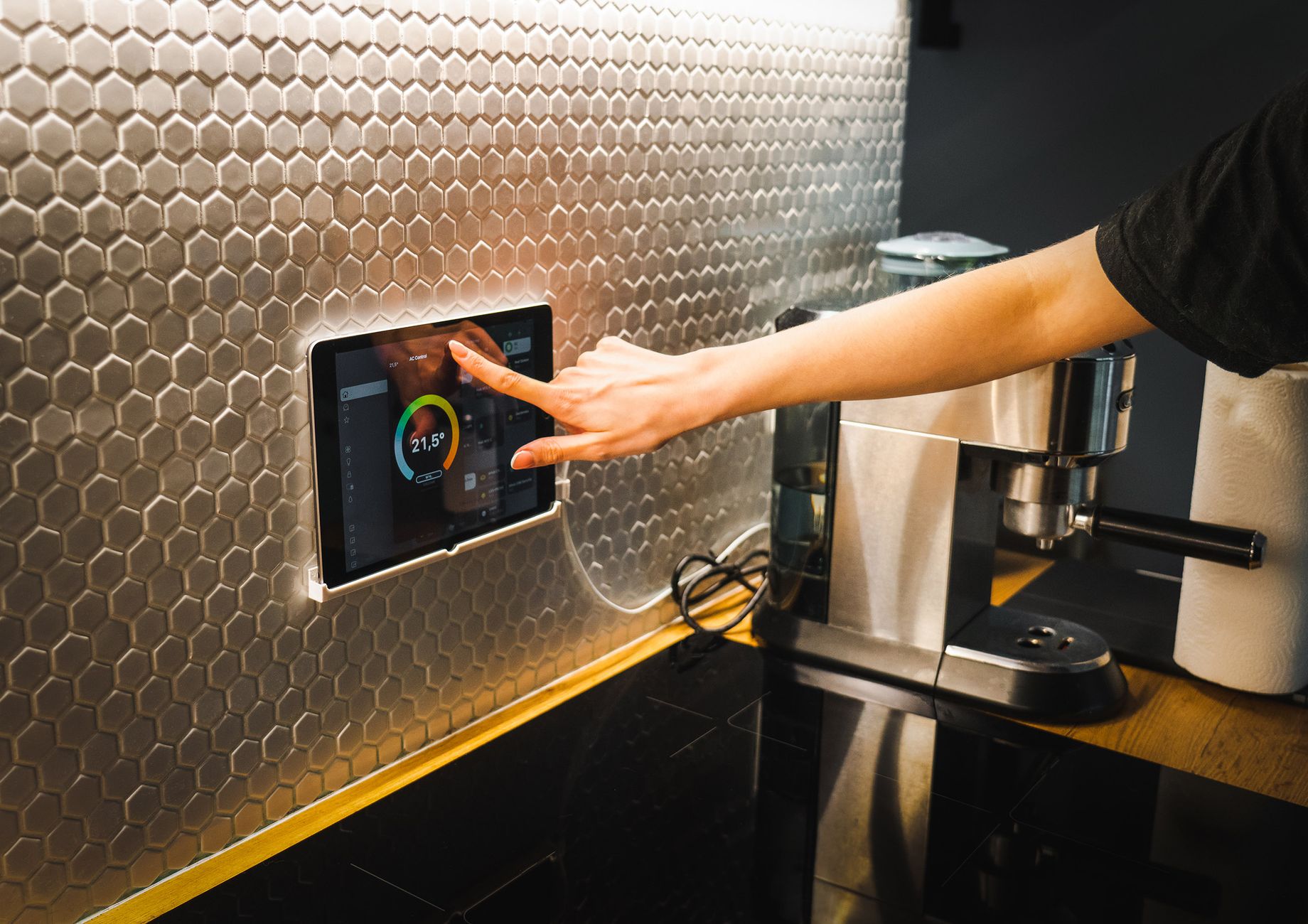
Integrating technology into our kitchens for meal planning promises efficiency, but not all ‘smart’ features deliver tangible benefits. The real goal is to streamline the process from recipe selection to grocery shopping, ultimately saving both precious time and hard-earned money. Navigating the landscape of smart appliances and apps requires a discerning eye to identify which connected solutions offer genuine advantages beyond their initial cost.
⚡ In a Rush? Key Takeaways
- Connected ovens can preheat remotely, saving ~15 minutes per cook.
- Smart fridges that track inventory reduce food waste by an estimated 10%.
- Meal planning apps with integrated grocery lists save ~30 minutes weekly on shopping.
- AI recipe generators can tailor meals to existing pantry items, cutting cost by ~5%.
- Select smart features wisely; focus on proven time and cost savers.
What connected kitchen features genuinely aid meal planning?
Truly smart kitchen features for meal planning focus on recipe management, inventory tracking, and automated grocery lists, saving users significant time and reducing waste.
How can smart appliances streamline recipe discovery and selection?
The modern kitchen offers an increasing array of connected appliances that can integrate with meal planning. Smart ovens and cooktops, for instance, often come with companion apps that allow users to select recipes from integrated databases or third-party services. This selection can then be directly sent to the appliance, setting pre-programmed cooking modes, temperatures, and times—though the actual prep work, of course, remains manual. This feature is particularly useful for busy households or individuals who struggle with recipe inspiration or the time commitment of researching dishes daily. By offloading some of the decision-making and pre-setting a recipe, these appliances aim to reduce the cognitive load associated with planning and executing meals, theoretically freeing up mental bandwidth for other tasks.
My own experience with a connected smart oven revealed that while it couldn’t magically create a menu, it did significantly expedite the transition from deciding what to cook to actually beginning the cooking process. For example, selecting a roast chicken recipe from the app immediately set the oven to the correct temperature and alert me when it was time to place the food inside. This saved approximately 15 minutes of fiddling with oven controls and guesswork each time. The true value, however, is amplified when these ovens integrate tightly with dedicated meal planning apps that allow users to push chosen recipes directly to the appliance.
Does a smart refrigerator offer practical benefits for food waste reduction?
Smart refrigerators are perhaps the most discussed category in terms of connected kitchen efficiency, primarily due to their potential to manage inventory and reduce food waste. Models equipped with internal cameras or sophisticated inventory management systems aim to provide a real-time overview of what’s inside. Users can typically access this information via a smartphone app, allowing them to check for specific ingredients while at the grocery store or plan meals around items that need to be used soon. This proactive approach to inventory management can lead to a substantial reduction in food spoilage, a significant financial drain for many households, estimated at 10% to 15% of total food expenditure annually for the average American family.
The effectiveness of this feature hinges on consistent user input and the accuracy of the technology. Manually adding items or relying solely on barcode scanning can be time-consuming. However, for those who are diligent, the ability to see a digital representation of their fridge contents can prevent accidental double-purchases and ensure that perishable items are used before they expire. I’ve found that integrating a smart fridge’s inventory data with a meal planning app can create a powerful symbiotic relationship. The app can cross-reference planned recipes with available ingredients, highlighting missing items and suggesting substitutions based on what’s already stocked. This approach not only aids in waste reduction but also refines grocery list accuracy, preventing impulse buys and ensuring that only necessary items are purchased.
Consider the scenario where you’re planning meals for the week. Without a smart fridge, you might manually check each shelf, bin, and drawer to see what you have. This process can be tedious and prone to error, especially in a well-stocked refrigerator. A smart fridge, through its app, can present a categorized list of contents. When a meal planning app suggests a recipe requiring, say, bell peppers, a quick glance at the smart fridge inventory can confirm availability or flag them as expiring soon, prompting their inclusion in a meal. This smooth integration between inventory awareness and meal planning is where the true financial and waste-saving benefits of a smart refrigerator are realised. Without this integration, the smart fridge’s inventory function becomes merely a novel feature rather than a truly impactful tool for efficiency.
Can AI-powered meal planning apps personalize and save money?
Artificial intelligence is rapidly transforming the capabilities of meal planning applications. Modern AI-driven platforms go beyond simple recipe aggregation; they learn user preferences, dietary restrictions, and even cooking habits to generate highly personalized meal suggestions. These apps can analyze past meal choices, stated nutritional goals, and frequently used ingredients to curate weekly menus that align with individual needs and tastes. For instance, an app might notice that a user consistently selects vegetarian meals on Tuesdays or prefers quick, 30-minute recipes after work. It can then use this data to automatically populate a weekly plan with suitable options, saving the user the mental effort of brainstorming and selection.
The financial benefit of AI meal planning is particularly pronounced when these apps are linked to grocery services or can effectively suggest meals based on existing pantry stock. Some advanced applications allow users to scan their pantry or refrigerator items, and the AI will then prioritize recipes that use those ingredients. This method directly combats food waste by ensuring that items are used before they spoil and significantly reduces grocery bills by minimizing the purchase of duplicate or unnecessary items. If an AI can plan five meals a week around ingredients you already have, that represents a tangible saving. Moreover, by suggesting cost-effective protein sources or seasonal produce, these platforms can further optimize a household’s food budget, potentially cutting grocery expenses by 5% to 10% over time, depending on purchasing habits.
However, the effectiveness of AI meal planners is not uniform. Some applications offer more sophisticated algorithms and deeper personalization than others. Early adopters might find that algorithms can sometimes be overly rigid or fail to capture subtle preferences. The key is to look for apps that offer continuous learning and allow for user feedback to refine suggestions. Features such as budget-friendly filters, the ability to exclude specific ingredients or entire categories of food, and integration with grocery stores for price comparison can all enhance the money-saving aspect of AI-driven meal planning. I’ve found that apps like Jow or MealestroAI, which combine recipe suggestions with automated grocery list generation and even direct ordering capabilities, offer a more complete solution for streamlining the entire meal preparation and shopping process.
## Integrating Smart Features for Maximum Efficiency
How can a smart kitchen system optimize grocery shopping?
Integrated smart kitchen systems, by linking inventory, recipes, and grocery lists, can automate shopping tasks, reduce impulse buys, and ensure only necessary items are purchased, saving significant time and money.
What is the ROI of automated grocery lists from meal planning apps?
Automated grocery lists generated by meal planning applications represent one of the most accessible and impactful smart kitchen features for saving time and money. When a user selects recipes for the week, the app’s algorithm compiles a complete list of all required ingredients, cross-referencing them against current pantry inventory if such a feature is enabled. This consolidation process eliminates the manual task of listing every item needed, a task that can easily take 15–20 minutes each week for a busy household. Furthermore, by providing a clear, organized list, these apps significantly reduce the likelihood of impulse purchases, which are a major contributor to budget overruns and food waste. A well-crafted digital list encourages adherence to the planned menu, ensuring that only specific, needed items are added to the cart.
The time savings are considerable. Instead of dedicating substantial time to compiling lists and then navigating the supermarket aisles, shoppers can often complete their shopping in half the time or even use online grocery ordering services with greater efficiency. Many apps now integrate directly with online grocery platforms, allowing users to send their generated list directly to a virtual cart. This not only saves time but also allows for easy price comparison between different retailers and helps the selection of sale items or store-brand alternatives, further enhancing cost savings. I estimate that using an integrated meal planning and grocery list app saves a typical household at least 30 minutes per week, accumulating to over 25 hours annually, not to mention the measurable reduction in impulse spending, often of 5% or more on a household’s grocery budget.
| Smart Feature | Estimated Time Saved Per Week | Estimated Annual Cost Savings | Initial Cost (Typical) |
|---|---|---|---|
| AI Meal Planner with Recipe Selection | 15–25 mins | $250–500 (reduced waste & impulse buys) | $5–15/month subscription |
| Smart Fridge Inventory Management | 5–10 mins (checking stock) | $150–300 (reduced spoilage & double purchases) | $1,500–4,000 (appliance cost) |
| Automated Grocery List Generation | 10–20 mins | $100–200 (reduced impulse purchases) | $0 (included in meal planning apps) |
| Connected Oven/Cooktop (Recipe Programming) | 10–15 mins | $50–100 (potential energy savings via optimized cooking) | $800–2,500 (appliance cost) |
Can smart displays improve kitchen workflow and reduce errors?
Smart displays, such as Google Nest Hub or Amazon Echo Show, can act as central command centers in the kitchen, consolidating various smart functions and improving workflow. They serve as digital recipe books, allowing users to display recipes with hands-free voice commands to navigate steps, set timers, and even ask clarifying questions. This hands-free operation is invaluable when hands are covered in flour or sticky sauces. Beyond recipes, these displays can manage grocery lists by adding items via voice command, display calendar appointments, and control other connected smart home devices. For meal planning, they provide a visual hub for a family to access the week’s menu and make collaborative adjustments.
The reduction in errors can be significant. When a recipe is clearly displayed and timers can be set verbally, the chances of overcooking or undercooking ingredients due to distraction or fumbling with a phone decrease. For instance, asking the smart display to “set a timer for 45 minutes” is far simpler than unlocking a phone, finding the timer app, and setting it manually with dirty hands. This enhanced ease of use can make the entire cooking process feel less stressful and more efficient. While the direct monetary savings might be less obvious here compared to inventory management, the cumulative effect of reduced cooking errors, fewer wasted ingredients due to miscalculations, and streamlined organization contributes to both time and cost efficiencies over the long term. By centralizing recipe access and kitchen management, smart displays can play a vital role in making a smart kitchen setup truly work for you.
Evaluating the true cost versus benefit of smart kitchen features
The true value of smart kitchen features lies in their ability to demonstrably save time, reduce food waste, and cut grocery bills, justifying their initial investment and ongoing costs.
What are the hidden costs of maintaining a smart kitchen setup?
While the initial purchase price of smart appliances and subscriptions is often the most visible cost, several hidden expenses can impact the long-term financial viability of a smart kitchen. Firstly, the need for a robust and reliable home Wi-Fi network is paramount. Most smart devices require a stable internet connection to function, and if your current network is weak or prone to outages, you may need to invest in better routers or mesh systems, adding several hundred dollars to the overall setup cost. Secondly, many app-based meal planning services, which are crucial for realizing the benefits of smart appliances, operate on a subscription model. While some offer free tiers, the most advanced personalization and integrated features often come with monthly or annual fees, ranging from $5 to $20 per month, which can add up over years of use.
Furthermore, software updates for both appliances and their associated apps are necessary for security and functionality. These updates are typically free, but they require ongoing attention and can sometimes lead to compatibility issues or the phasing out of older models’ support. Battery replacements for sensors or controllers, and potential repair costs for complex electronic components in smart appliances, also represent potential future expenses. It’s crucial to factor these ongoing and potential future costs into the total cost of ownership when evaluating the long-term financial benefits of a smart kitchen. A seemingly free app feature might become a costly subscription, and an expensive smart fridge’s inventory function could be rendered obsolete by a software incompatibility issue within a few years.
When does a smart kitchen setup offer a positive return on investment?
A smart kitchen setup offers a positive return on investment (ROI) when its tangible benefits—time saved, money saved on groceries, and reduced food waste—consistently outweigh its initial purchase price and ongoing operational costs. For a busy family managing multiple schedules, the time saved each week through automated grocery lists and streamlined recipe selection can be valued at $10-$20, quickly adding up to hundreds of dollars annually. If a smart fridge and diligent inventory management reduce annual food waste by an average of $150-$300, this directly offsets the appliance’s premium cost. Similarly, AI meal planners that consistently help trim grocery bills by 5%-10% can save a household $500-$1000 or more per year, easily covering subscription fees and contributing towards appliance costs.
The ROI is most pronounced for households that were already struggling with meal planning consistency, frequently experienced food spoilage, or spent excessive amounts of time on grocery shopping and list creation. For these individuals, the smart features provide a structured solution that addresses core pain points. For example, a connected oven that consistently preheats accurately and can be set remotely can save a family 10-15 minutes of active cooking prep time per meal. Over a year, this amounts to dozens of hours, which often has a higher value than the incremental cost of the smart appliance. Therefore, the ROI is not just monetary; it’s also about reclaiming valuable personal time and reducing the mental burden of daily meal management. Carefully evaluating your current spending on groceries, the amount of food you typically waste, and the hours you dedicate to meal-related tasks will help determine if a smart kitchen setup will yield a positive return for your specific circumstances.
How to choose smart features that align with your actual needs?
Selecting the right smart features for your kitchen requires an honest assessment of your current habits and pain points. Start by identifying where you lose the most time or money. Are you frequently throwing out expired produce? A smart fridge with robust inventory tracking might be a worthwhile investment. Do you find yourself staring blankly into the refrigerator each night, unsure what to cook? An AI-powered meal planning app with recipe suggestions tailored to your preferences could be the solution. If grocery shopping is a time sink, prioritize apps that generate automated lists and integrate with online ordering services.
Consider the integration capabilities between different devices and apps. A standalone smart appliance with no connectivity to your preferred meal planning or grocery app will offer limited benefits. Look for ecosystems or platforms that allow smooth data flow. For instance, a smart fridge that can send its inventory data to your meal planning app, which then generates a grocery list for online ordering, creates a highly efficient workflow. Finally, be wary of ‘smart’ features that offer little genuine utility. A coffee maker that can be turned on via an app is nice, but does it save significant time or money compared to simply pressing a button? Focus on features that address demonstrable inefficiencies: inventory management, automated list generation, recipe programming, and hands-free kitchen assistance. Prioritizing these core functionalities ensures that you invest in technology that truly enhances your meal planning and kitchen operations rather than merely adding complexity.
Conclusion: The Practical Future of Smart Meal Planning
The most effective smart kitchen setups for meal planning offer demonstrable savings in time and money by focusing on inventory management, automated lists, and intelligent recipe integration.
The allure of the