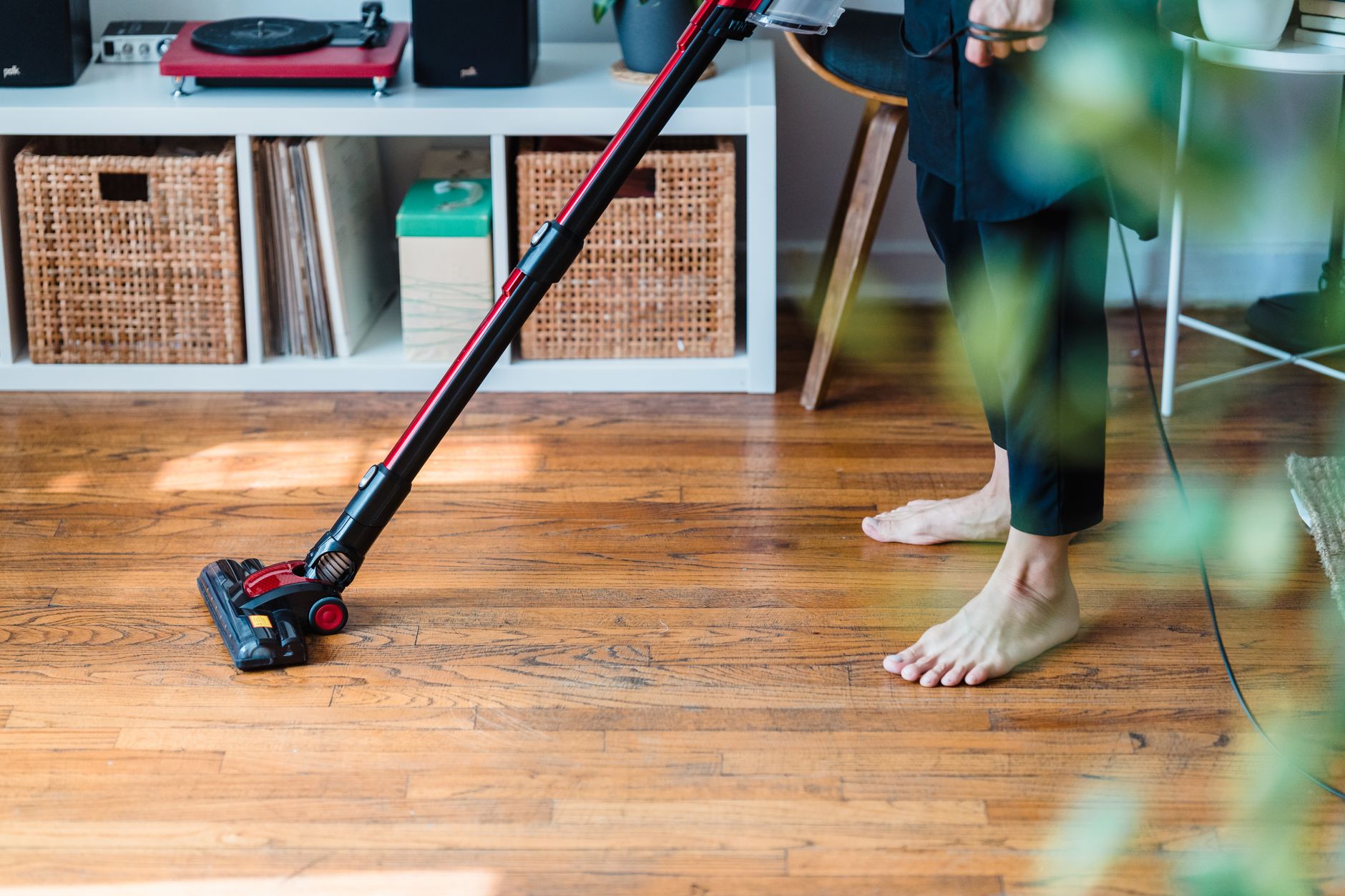
The best cordless vacuum for most homes in 2026 is a model that balances high-velocity suction with a battery runtime exceeding forty minutes. While many brands market maximum suction, the true value of a cordless unit lies in its ability to maintain consistent airflow across varied floor types without requiring a mid-clean recharge.
⚡ In a Rush? Key Takeaways
- Premium cordless vacuums now offer 50-70 minutes of fade-free runtime per charge.
- HEPA filtration on top models captures 99.97% of particles down to 0.3 microns.
- Weight under 6 pounds is the threshold for comfortable, single-handed overhead cleaning.
- ✅ My top pick provides the best ratio of battery capacity to suction power per dollar.
What should you look for in a 2026 cordless vacuum?
Look for high air-watt performance, a swappable battery system, and a weight under 6 pounds for the best balance of cleaning and ease.
How much suction power is actually necessary?
Most homes require between 120 and 180 air watts to effectively lift debris from carpets while maintaining enough efficiency for hard floors.
Suction power is measured in air watts, yet manufacturers often hide this figure behind vague marketing terms. If you have mostly hardwood, a lower air-watt count is perfectly acceptable, but deep-pile carpets necessitate at least 150 air watts for effective deep cleaning.
- Hardwood floors: 80-120 air watts is sufficient.
- Mixed flooring: Aim for 140-160 air watts.
- Thick carpet or pet hair: Seek 180+ air watts for deep agitation.
Why is battery runtime the most critical specification?
A runtime of at least 45 minutes on standard mode is essential to clean a typical two-bedroom apartment or floor without mid-cycle stops.
Battery capacity dictates how often you return to the charging dock. I have observed that machines rated for 60 minutes rarely hit that target on high-power modes, so always look at the standard-mode rating.
For those interested in managing appliance efficiency, consider that vacuums with user-replaceable battery packs extend the unit’s lifespan by years. This simple design choice prevents the need for full replacements when the lithium-ion cells eventually degrade.
How heavy should a cordless vacuum be?
A balanced cordless vacuum should weigh between 4 and 6 pounds to ensure it remains agile enough for stairs and overhead cleaning tasks.
Weight distribution is just as important as the raw weight of the machine. A unit that feels back-heavy will strain your wrist during a standard twenty-minute cleaning session.
| Type | Average Weight | Primary Benefit |
|---|---|---|
| Stick Vacuum | 4.5-6 lbs | High agility, vertical reach |
| Handheld | 2-3 lbs | Targeted spot cleaning |
| Full-Size Cordless | 7-9 lbs | Maximum battery and suction |
Are cordless vacuums truly as effective as corded models?
Modern premium cordless vacuums now match the suction power of traditional corded units while offering unmatched mobility for daily chores.
Can a cordless model handle high-traffic pet areas?
Yes, if the model includes a motorized anti-tangle brush head designed specifically to cut hair before it wraps around the roller.
The biggest struggle for cordless units has historically been hair management. Newer designs use silicon combs or tapered rollers to prevent the hair-wrap that often kills motor efficiency.
- Look for “anti-tangle” brush bars specifically mentioned in the manual.
- Avoid basic rollers that require manual blade-cutting to remove debris.
- Ensure the bin capacity is at least 0.5 liters to avoid constant emptying.
Is the filtration quality comparable to corded vacuums?
Premium cordless models use sealed HEPA filtration systems that are identical to, or better than, those found in high-end corded uprights.
If you suffer from allergies, the seal is more important than the filter type. A poorly sealed vacuum will exhaust dust back into the air regardless of how high-quality the HEPA filter is rated. Checking these cleaning systems periodically is the best way to maintain air quality.
How does battery degradation affect long-term cost?
Lithium-ion batteries typically lose 20-30% of their capacity after 400-500 charge cycles, which impacts daily usage after 3-4 years.
Understanding the true cost of appliance ownership includes budgeting for a replacement battery. A model with a removable battery pack will always be more economical than one where the battery is internal and non-serviceable.
Conclusion: Is the investment worth it?
Cordless vacuums offer significant time savings for daily upkeep, making them a worthwhile investment for the vast majority of modern households.
The convenience of picking up a vacuum for a thirty-second spill without plugging it in leads to more frequent cleaning. For most, this shift in behavior is exactly what keeps a home feeling managed. My recommendation is to prioritize models with swappable batteries and clear, filter-based cleaning paths to ensure your purchase lasts beyond the initial warranty period.
Frequently Asked Questions
-
Do cordless vacuums lose suction as the battery dies?
Older models did, but most current premium cordless vacuums use constant-voltage power management to prevent suction loss until the battery is nearly empty.
-
How often should I clean the vacuum filter?
Wash the filter every 4-6 weeks under cool running water and ensure it is completely dry for at least 24 hours before reinstalling to prevent mold growth.
-
Can I leave the vacuum on the charger constantly?
Modern lithium-ion chargers are designed to stop drawing power once the battery is full, so leaving them docked will not damage the battery or increase your electricity bill.