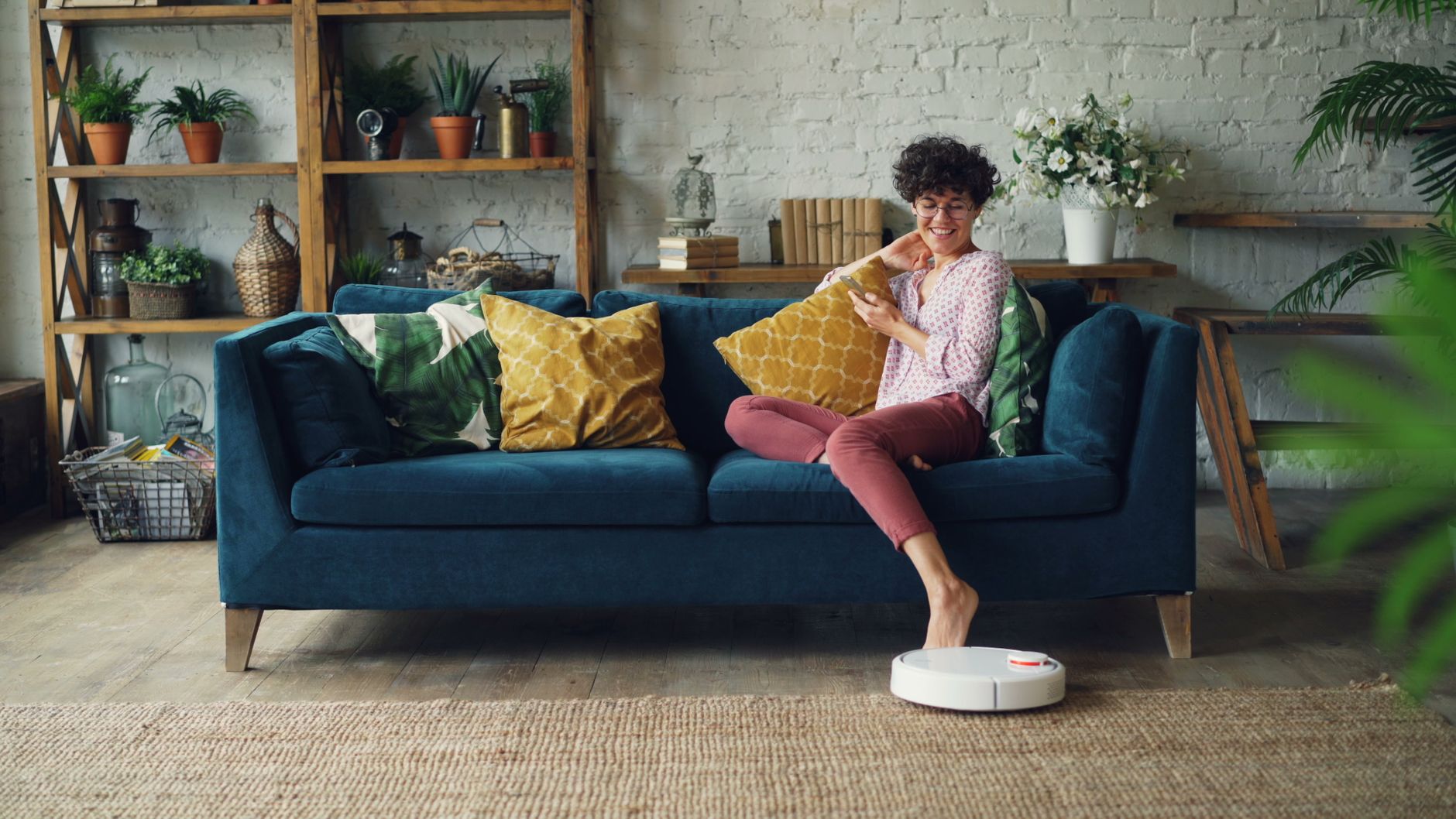
The best cordless vacuum for most homes in 2026 is the Dyson V15 Detect, though several mid-range competitors offer similar cleaning performance for a significantly lower investment. Finding the right balance between weight, runtime, and bin capacity is essential for choosing a machine you will actually use every week.
⚡ In a Rush? Key Takeaways
- Top-tier cordless vacuums now offer 60 minutes of fade-free runtime on standard modes.
- HEPA filtration on modern cordless models traps 99.9% of particles down to 0.3 microns.
- Investing in a model with a swappable battery adds roughly 40 minutes of extra cleaning.
- ✅ Best overall value: The Dyson V15 Detect provides the most consistent suction-to-weight ratio.
What Should You Look for in a Cordless Vacuum?
Look for 60-minute runtime, adjustable suction modes, swappable batteries, and a weight under eight pounds to ensure easy handling.
How Much Suction Power Do You Actually Need?
Most homes require 150 air watts for deep carpet cleaning, while 100 air watts handles hard floors and light surface dust effectively.
Suction power is measured in air watts, yet manufacturers often hide this figure behind vague marketing terms. For high-pile rugs, I look for models providing at least 150 air watts. Hard surfaces generally require less power, allowing you to save battery life by using eco settings.
You can often offset lower suction by choosing a vacuum with an efficient motorized brush head. These heads agitate fibres more effectively than simple suction alone, making them vital for homes with pets or heavy foot traffic.
Why Does Battery Runtime Matter for Your Floor Plan?
A 40-minute runtime covers 1,200 square feet, but models with swappable batteries extend usage without requiring a four-hour recharge.
If your home exceeds 1,500 square feet, a single charge rarely finishes the entire floor. I prioritize models that allow the battery to be ejected and replaced. This simple feature changes how you manage home cleaning systems by letting you keep a spare charging in the kitchen.
- Standard mode provides 45–60 minutes of operation.
- Boost mode usually drains the battery in 8–12 minutes.
- Recharge times vary between 3 and 5 hours for most units.
- Swappable batteries add roughly $80–$120 to your total ownership cost.
Which Cordless Vacuum Features Justify the Cost?
Automated suction adjustment, laser dust detection, and HEPA-certified filtration systems offer the most tangible value for your money.
Is Laser Dust Detection Actually Useful?
Laser heads illuminate hidden floor dust and pet dander, ensuring you do not miss spots while vacuuming under furniture or in corners.
I was initially skeptical of light-based dust detection, but it consistently reveals debris that is invisible under standard overhead lighting. This feature helps prevent over-vacuuming, which protects your floors and saves battery energy.
For those interested in maintaining a high standard of cleanliness, these heads are a significant upgrade. They turn a chore into a visual task, making it easier to see exactly where you have already cleaned.
How Do Cordless Vacuums Handle HEPA Filtration?
True HEPA systems capture microscopic allergens, preventing dust from blowing back into your living space during the cleaning process.
If you or your family suffer from seasonal allergies, the filtration system is more important than the suction power itself. A sealed system ensures all air passing through the vacuum is scrubbed of dander and pollen.
| Feature | Value for Money |
|---|---|
| Laser Detection | High (Visual confirmation) |
| Swappable Battery | Essential (Runtime extension) |
| LCD Display | Medium (Informational only) |
How Do You Maintain Your Cordless Vacuum for Longevity?
Regular filter washing, brush bar clearing, and battery-friendly charging cycles add three to five years to your machine’s total lifespan.
How Often Should You Wash the Filters?
Filters require a cold water rinse every month, followed by at least 24 hours of complete air drying to prevent motor damage and odour.
Neglecting the filter is the most common cause of suction loss in premium vacuums. When the filter clogs, the motor works harder to pull air, which leads to overheating and reduced battery health. Proper maintenance aligns with good kitchen and home workflow habits.
Why Is Battery Charging Habit Important?
Avoid keeping the vacuum on high-boost mode constantly, as it stresses lithium-ion cells and shortens the battery life cycle significantly.
Batteries have a finite number of charge cycles. Storing your vacuum in a cool, dry area and avoiding deep depletion prevents unnecessary degradation. For deeper insights on managing home energy costs, always disconnect chargers once the unit reaches full capacity.
Frequently Asked Questions
-
Do cordless vacuums perform as well as corded ones?
Top-tier models match or exceed corded suction power, though corded vacuums remain superior for very large homes with constant usage.
-
How long do cordless vacuum batteries typically last?
Most cordless batteries last between 500 and 800 cycles before requiring replacement, typically spanning three to five years of use.
-
Are cordless vacuums worth the higher price point?
They save significant time by removing the need to manage cables and find outlets, making them a high-value tool for busy households.
Ultimately, the best cordless vacuum for you is the one that fits your specific floor type and square footage. By prioritizing battery runtime and filtration over unnecessary aesthetic features, you will find a reliable tool that makes maintaining a tidy home far less labor-intensive. — Greta Michaud, Home Appliance Efficiency Researcher