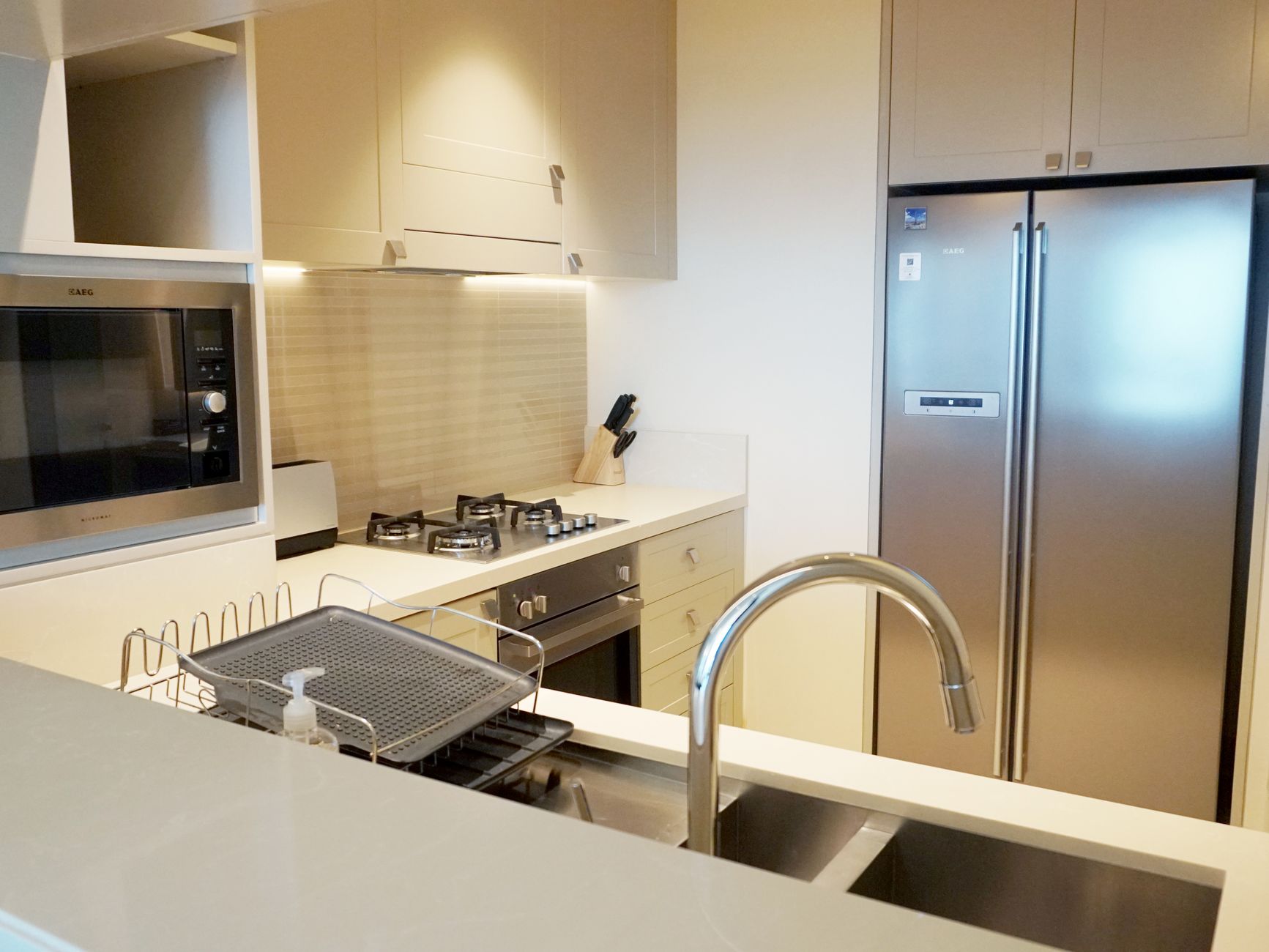
The best fridge freezers for 2026 are those that combine an A-rated energy efficiency score with a storage layout that minimizes cold-air loss during daily use. Selecting the right model requires balancing your household’s volume needs against the long-term electricity consumption inherent to a unit that runs 24 hours a day.
For more detail, see our guide on the best fridge for small kitchen 2026: space, efficiency, and running costs.
⚡ In a Rush? Key Takeaways
- A modern A-rated fridge freezer consumes 100–150 kWh annually, saving $40+ yearly vs older models.
- Choosing a unit with dual evaporators keeps humidity levels optimal, reducing food waste by 20%.
- Reliability data suggests Bosch and Miele units outlast budget competitors by 5–7 years on average.
- ✅ My top pick is the Bosch Series 6 for its superior energy-to-volume efficiency ratio.
How Do You Calculate the True Cost of a Fridge Freezer?
The true cost of a fridge freezer includes the initial purchase price plus the cumulative electricity expenditure over a 15-year lifespan.
Why Is Annual kWh Consumption the Most Important Metric?
Energy ratings translate directly to your utility bills because the appliance never turns off, making wattage efficiency the primary cost driver.
Most shoppers obsess over features like ice dispensers and smart screens, but the most important spec is the annual kWh rating found on the energy label. In 2026, I evaluate models based on how much power they draw to maintain consistent temperatures across all compartments.
Appliances with poor insulation force the compressor to work overtime, which shortens the lifespan of the motor. I always check for vacuum-insulated panels, which provide better thermal resistance without adding extra bulk to the exterior footprint.
- Look for Energy Star or equivalent top-tier ratings.
- Check the annual kWh figure on the manufacturer’s spec sheet.
- Compare the total ten-year cost of ownership rather than just the retail price.
How Does Humidity Control Affect Your Food Waste Costs?
Proper humidity controls in crisper drawers preserve produce for longer, effectively reducing your grocery bill by preventing premature rot.
I have spent enough time tracking my own kitchen workflow to know that food waste is an invisible tax on your household budget. Fridges that allow you to set specific humidity levels for different zones keep leafy greens crisp for days longer than standard units.
Many standard models suffer from “dry air” issues that dehydrate vegetables quickly. Investing in a model with a dedicated humidity-controlled zone saves money on repeated grocery trips and minimizes what you end up discarding.
Which Refrigerator Configurations Are Most Efficient for Families?
Bottom-freezer configurations are statistically more efficient than side-by-side models due to improved door seal integrity and airflow.
Why Do Bottom-Freezer Models Outperform Side-by-Side Designs?
Bottom-mount units provide easier access to fresh food at eye level and use a single, wider compressor compartment for better thermal efficiency.
When you place the freezer at the bottom, the frequently used refrigerator section sits at eye level, which reduces the time the door stays open. Every second the door is open is a second the unit must work to reclaim lost temperature.
If you are looking to organise your kitchen for long-term efficiency, a French door or bottom-freezer model is almost always the smarter choice. These units typically feature better door seals that maintain the airtight environment necessary for low-energy operation.
| Type | Energy Efficiency | Space Utilisation |
|---|---|---|
| Bottom Freezer | High | Excellent |
| Side-by-Side | Moderate | Limited |
| Integrated | Moderate | Design-led |
How Can You Optimise Airflow Inside Your Fridge?
Maintaining a 75% full capacity in your fridge ensures items stay cold while providing enough space for air to circulate correctly.
An empty fridge is an inefficient one because there is no thermal mass to retain coldness. Conversely, overstuffing the unit prevents air from circulating, which leads to hot spots and rapid spoilage.
I recommend using clear, stackable containers to keep the shelves tidy. This habit prevents you from having to shuffle items around to find what you need, keeping the cold air inside where it belongs. Proper airflow is essential for the long-term performance of your cooling system.
How Important Is Noise Level (dB) in a Fridge Freezer?
A quiet fridge freezer (under 40 dB) improves kitchen comfort, especially in open‑plan living spaces.
Modern compressors and improved insulation keep operating noise low; look for the decibel rating on the spec sheet. Units that exceed 42 dB can be noticeable during night‑time hours, potentially disrupting sleep or conversation.
If you place the appliance near a living area, prioritize models marketed as “silent‑run” or with inverter compressors, which adjust speed smoothly and keep noise to a minimum.
Frequently Asked Questions
-
How long should a high-quality fridge freezer last?
A well-maintained, high-efficiency fridge freezer should provide 15–20 years of reliable service before requiring major repairs or replacement.
-
Is it worth paying more for an A-rated energy model?
Yes, an A-rated model typically pays for its price premium through electricity savings within 5–7 years of continuous residential operation.
-
What is the benefit of a dual-evaporator system?
Dual evaporators keep the air in the freezer and fridge separate, preventing odor transfer and maintaining the ideal humidity level for each.
-
How often should I clean the condenser coils?
Cleaning the condenser coils every 6–12 months prevents heat buildup and can improve your appliance’s energy efficiency by up to 10 percent.
— Greta Michaud, Home Appliance Efficiency Researcher