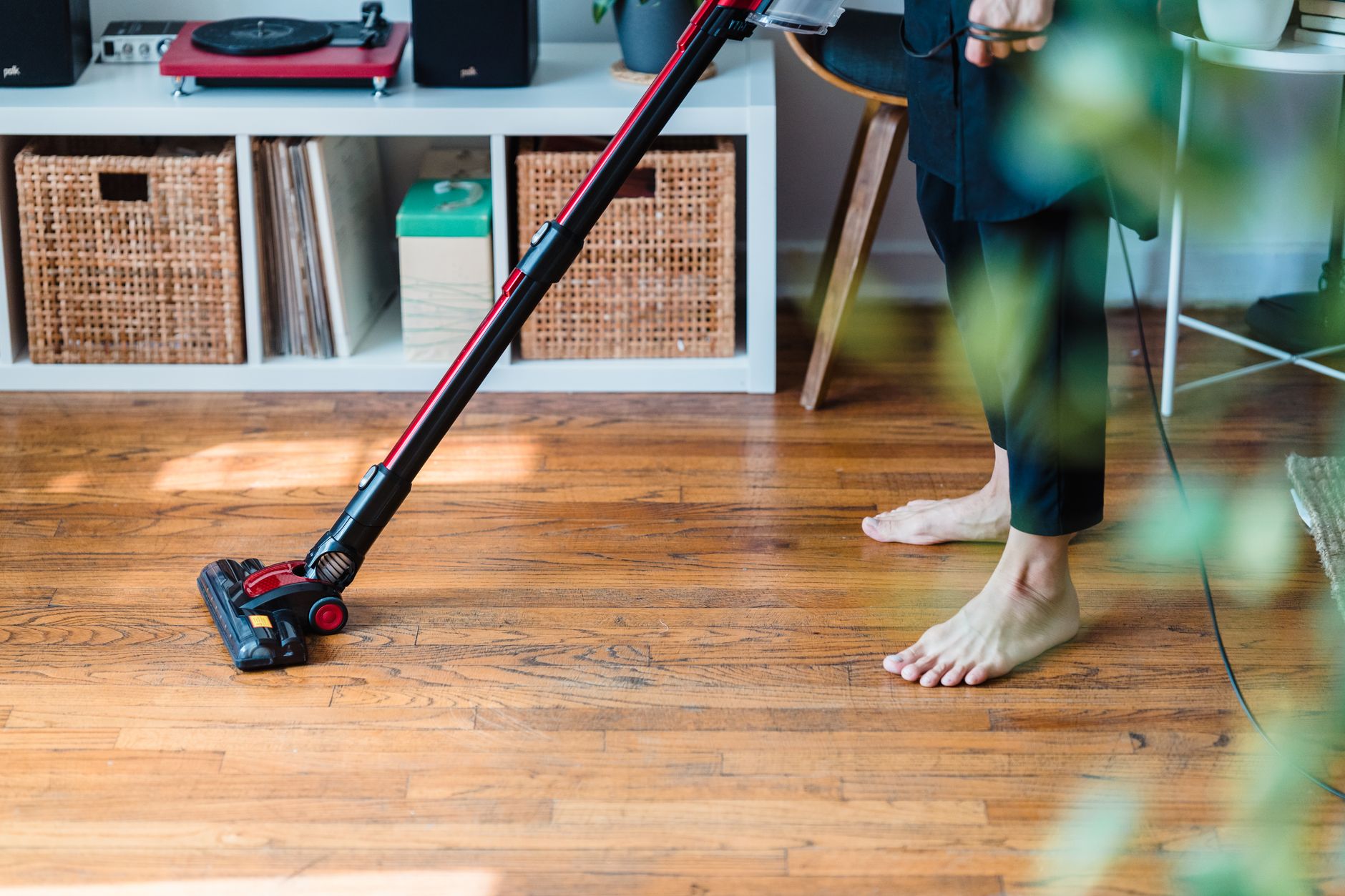
Cordless vacuums are the primary cleaning tool for most modern households, capable of replacing corded units if you match the battery capacity to your floor plan and floor type. While they trade off some raw sustained power for mobility, advancements in lithium-ion longevity have made them reliable daily drivers for 90% of homes.
⚡ In a Rush? Key Takeaways
- Entry-level cordless units now provide 30-40 minutes of reliable fade-free runtime.
- Battery replacement costs for premium models average $120 after 3-4 years of use.
- High-traffic homes with carpets require models with 150+ air watts of suction power.
- ✅ Best value: Choose a mid-range model with a removable battery for longer lifespan.
Why choose a cordless vacuum over a traditional corded model?
Cordless vacuums eliminate cable management and storage friction, allowing for spontaneous clean-ups that keep homes tidier year-round.
Are cordless vacuums powerful enough for deep cleaning?
Modern cordless vacuums generate up to 200 air watts of suction, matching corded power for most residential carpet and hard flooring.
The power gap between corded and cordless has largely evaporated. Where corded vacuums rely on 1200W motors, cordless units use highly efficient digital motors that focus power directly at the floor head.
For deep cleaning, you should prioritize models with active carpet agitation. Brush bars that use independent motors ensure that debris is lifted rather than just surface-dusted.
- Suction rating (Air Watts) is a better metric than motor wattage.
- Models with auto-adjusting suction save battery life on hard floors.
- Look for HEPA filtration to ensure captured dust stays inside the unit.
How much time do you actually get on a single battery charge?
Expect 20 to 60 minutes of runtime per charge, with high-power modes significantly reducing that time by approximately 60 percent.
Runtime is the most misunderstood specification. Manufacturer claims are usually based on the lowest power setting with no attachments, which is rarely how you will use the machine.
To estimate your needs, calculate your floor space. A standard 1,500-square-foot home generally requires 25 to 35 minutes of active vacuuming time for a thorough weekly clean.
What is the hidden cost of lithium-ion battery replacement?
Budget $100 to $150 every three to five years to replace the integrated battery, which is the most likely component to eventually fail.
Unlike corded machines that last for decades, cordless models have a finite operational lifespan determined by the battery. I recommend always purchasing a unit with a removable, swappable battery design.
By keeping a spare battery charged in a dedicated storage area, you essentially double your cleaning window. This is a critical investment for homes over 2,000 square feet.
How do you maintain a cordless vacuum to extend its lifespan?
Regular filter cleaning and brush bar maintenance are essential to prevent motor strain and maintain consistent airflow efficiency.
Does regular filter cleaning improve suction performance?
Dirty filters force the motor to work harder, increasing energy draw by 20 percent while simultaneously reducing overall cleaning power.
Most cordless vacuums use a washable pre-filter. I recommend washing your filter monthly and allowing it to air-dry for a full 24 hours before reinstallation.
If you fail to clean the filter, the vacuum’s sensors may misread the blockage as a full bin. This leads to the machine pulsing or shutting down, mimicking a broken motor.
How often should you clear hair from the brush bar?
Check the brush bar every three cleaning sessions to prevent hair tangles from putting excessive torque on the drive motor assembly.
Hair tangles are the number one cause of premature motor failure in cordless units. Modern anti-tangle technology is helpful, but no brush bar is entirely immune to human or pet hair buildup.
Using a simple seam ripper or cleaning tool provided by the manufacturer is the safest way to clear these blockages. Never force scissors into the brush bar housing.
When should you replace your vacuum bin seals?
Replace bin seals if you notice dust escaping during use, which usually indicates the rubber gasket has lost its airtight integrity.
Properly sealed bins maintain the pressure differential required for deep suction. Small leaks in the bin housing effectively neuter the power of even the most expensive cleaning tools.
If you find that appliance maintenance is not resolving performance issues, check the bin’s locking mechanism for hairline cracks.
Frequently Asked Questions
-
Can a cordless vacuum replace a corded vacuum entirely?
Yes, if your home is under 2,500 square feet and you select a model with at least 150 air watts and a swappable battery system.
-
How do I know if my vacuum battery is dying?
Diminishing runtime and longer-than-usual charging cycles are the primary indicators that your lithium-ion cells are degrading.
-
Are expensive models worth the price premium?
Premium models offer better filtration, superior ergonomic design, and longer warranty periods that often justify the higher investment.
-
Do I need specialized attachments for hardwood floors?
Yes, a soft roller head is highly recommended to prevent micro-scratches and effectively capture fine dust on delicate hard floors.
-
Where should I store a cordless vacuum?
Store it in a climate-controlled area with its wall mount, ensuring it is away from direct heat sources that can degrade battery life.
When considering your next appliance purchase, remember that the most efficient model is one that fits your routine without requiring constant charging stops. For more advice on creating an efficient workflow, see our guide on optimizing home cleaning systems. — Greta Michaud, Home Appliance Efficiency Researcher