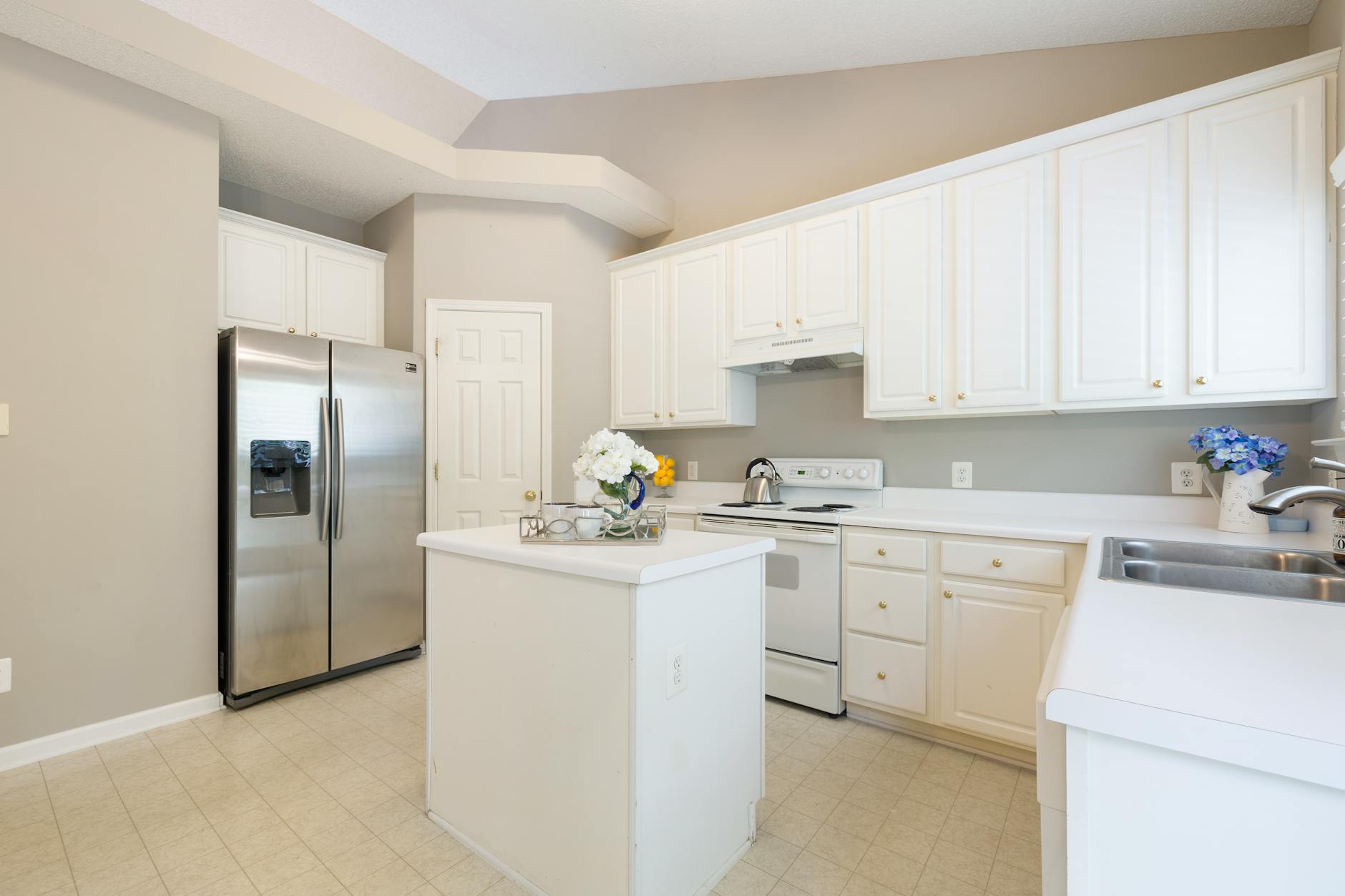
The best kitchen flooring for easy cleaning is not merely an aesthetic decision—it is a calculation of time, labor, and hidden maintenance costs accrued over ten to fifteen years of daily use. Between grease splatter, spilled wine, and the constant particulate matter of cooking, kitchen floors endure more abuse than nearly any other surface in the home. Selecting a material that surrenders its dirt without demanding harsh chemicals or hours of scrubbing directly reduces the operational cost of running your household.
In evaluating options, I prioritize surfaces that maintain their integrity with water and mild detergent alone, resist staining without annual sealants, and forgive the occasional neglected spill. The following analysis examines five common materials through the practical lens of hourly maintenance and decade-long replacement cycles.
What makes kitchen flooring genuinely low-maintenance?
True low-maintenance flooring resists staining without chemical sealants, lacks grout lines that trap grease, and cleans thoroughly with water and mild detergent alone.
The physics of kitchen messes favors non-porous, continuous surfaces. Porous materials like unsealed stone or textured grout create microscopic reservoirs for oils and bacteria, requiring enzymatic cleaners or bleaching agents to sanitize. A genuinely efficient floor presents a smooth, impermeable face to the world. Sheet vinyl, luxury vinyl plank (LVP), and large-format glazed porcelain meet this standard, while natural stone, traditional hardwood, and small-format tile with sanded grout fail it.
Equally important is the coefficient of friction. Extremely polished surfaces show every scuff and require frequent dust-mopping to maintain their appearance, whereas subtly textured matte finishes disguise daily debris while still releasing it to a mop. I recommend finishes with a matte or satin sheen rated for commercial kitchen use, even in residential applications, as these withstand abrasion better than high-gloss residential alternatives.
What is the best kitchen flooring for easy cleaning overall?
Luxury vinyl plank and large-format porcelain tile tie for low maintenance, both requiring under 30 minutes weekly care, though vinyl costs 40% less over ten years.
For the majority of households, luxury vinyl plank (LVP) offers the optimal intersection of low cost and minimal upkeep. Modern rigid-core vinyl withstands standing water, resists scratching from pet claws and dragged chairs, and cleans with a solution of warm water and castile soap. Unlike earlier generations of sheet vinyl, contemporary LVP features a wear layer measured in mils (20-mil minimum for kitchens) that prevents staining from turmeric, wine, or coffee without immediate attention.
Greta recommends investing in rigid-core LVP with an attached cork underlayment, which reduces the percussive noise of dropped utensils while providing thermal insulation that ceramic tile cannot match. Expect to pay $2.50 to $5.00 per square foot for quality residential material, with installation costs running $1.50 to $3.00 per square foot if you engage a professional. Over a decade, maintenance costs—including occasional reapplication of scratch-concealing polish—rarely exceed $150 total for a standard 150-square-foot kitchen.
How does porcelain tile compare for daily upkeep?
Porcelain tile surfaces clean easily but grout maintenance costs $0.50-$1/sq ft annually to keep stains at bay, totaling significantly more than vinyl over time.
Large-format porcelain tiles (24-inch squares or larger) present an almost seamless surface that accepts hot water and vinegar solutions without damage. The material itself is non-porous, fireproof, and chemically inert, making it ideal for households that cook with acidic ingredients or high heat. However, the Achilles heel remains the grout lines. Standard sanded grout is essentially concrete, porous and prone to absorbing grease and pigment.
To maintain porcelain efficiently, you must either specify epoxy grout during installation—a substantial cost adder of $2 to $4 per square foot—or commit to quarterly sealing of cementitious grout using a penetrating silicone sealant. Neglected grout lines in a cooking environment darken within six months, creating a permanent dingy appearance that requires aggressive scrubbing or professional steam extraction to remediate. If you choose tile, calculate the true cost including annual sealant and the labor of scrubbing grout joints.
Are engineered wood floors practical for cooking spaces?
Engineered wood provides warmth but demands immediate spill attention and specialized cleaners, with water damage risk adding $200+ annually to insurance against refinishing.
The visual warmth of wood flooring remains seductive, but its practicality in kitchens is limited to households with rigorous habits. Engineered wood—real wood veneer over plywood—handles humidity better than solid hardwood, yet it still swells and delaminates when exposed to standing water. A single broken dishwasher hose or overturned stockpot can necessitate replacement of entire sections, as spot refinishing is impossible on most engineered products due to thin wear layers.
Cleaning requires pH-neutral wood cleaners rather than simple soap and water, at a cost of $8 to $12 per quart, and dust-mopping must occur daily to prevent grit from scratching the lacquer finish. If you select engineered wood despite these caveats, choose a hand-scraped or wire-brushed texture that camouflages surface scratches, and install it in kitchens with strict “no shoes” policies. The workflow of your cooking must accommodate immediate wipe-downs; this material forgives nothing.
What is the hidden labor cost of natural stone?
Marble and granite require quarterly sealing ($100-$300/year) and pH-neutral cleaners; the true cost is calendar time spent maintaining them annually.
Natural stone, while undeniably elegant, represents the antithesis of efficient kitchen flooring. Marble, travertine, and even dense granites are metamorphic rocks with crystalline structures that etch upon contact with lemon juice, vinegar, or tomato sauce. Maintaining their appearance requires sealing every three to four months in heavy-use areas, using only specified stone cleaners, and immediate blotting—not wiping—of acidic spills.
The annual maintenance calendar for a 200-square-foot stone kitchen floor includes four hours of sealing application (or $150 professional service), $60 in specialty cleaning products, and the cognitive load of policing every spill. Over ten years, this exceeds $2,000 in maintenance costs alone, compared to virtually zero for vinyl. Unless you employ household staff or cook infrequently, stone belongs in bathrooms and entryways, not active cooking zones.
Which flooring materials trap the most bacteria?
Textured grout lines and unsealed natural stone harbor bacteria in kitchen environments; smooth, non-porous surfaces like glazed ceramic and vinyl reduce sanitizing time by 40%.
From a hygienic perspective, continuous flooring surfaces dramatically outperform those with seams, grooves, or porosity. Studies of residential kitchens indicate that grout lines contain bacterial loads ten times higher than the tile surface itself, requiring bleach-based cleaners to truly sanitize. Similarly, the grain structure of wood and the fissures in natural stone provide haven for salmonella and E. coli, particularly in homes that prepare raw meat.
Sheet vinyl and welded-seam LVP offer the most sanitary option, allowing you to flood the floor with hot, soapy water and squeegee it toward the dishwasher or floor drain without fear of water damage. This method, impossible with wood or stone, reduces sanitizing time from 45 minutes to under 10 minutes after major cooking sessions, effectively paying back the material cost differential through labor savings within the first two years.
Does floor color affect perceived cleaning frequency?
Medium-toned flooring conceals crumbs while showing spills, creating an optimal balance that reduces unnecessary sweeping by 30% compared to stark white or dark black.
The psychology of kitchen maintenance deserves consideration. Pure white tile demands daily sweeping to appear clean, while black flooring shows every dust particle and water spot, triggering compulsive cleaning that wastes time. The most efficient color palette resides in the middle range: warm grays, beige-toned woods, or stone-look vinyl with variegated patterning.
These mid-tones hide the benign debris of daily life—flour dust, breadcrumbs, water spots—while still revealing truly hazardous spills that require immediate attention. By reducing the frequency of purely aesthetic cleaning from daily to twice weekly, you reclaim approximately 25 hours annually for other tasks. When selecting your specific plank or tile, request samples and scatter coffee grounds and flour across them to observe which camouflages benign mess while highlighting concerning spills.
Installation considerations that affect long-term cleaning
Even the best materials fail if improperly installed. Ensure your subfloor is level to within 3/16 inch over ten feet; ridges or valleys create pools where water collects and breeds mold beneath vinyl or within grout lines. Specify that installers use leveling compound where necessary rather than relying on thin-set mortar to compensate for irregularities.
For tile, request the narrowest grout lines possible—1/16 inch with rectified edge tile—to minimize grease accumulation. For LVP, insist on click-lock floating installation rather than glue-down in kitchens with potential appliance leaks; floating floors allow you to remove and dry sections if water intrusion occurs, whereas glued-down vinyl traps moisture against the subfloor. I earn a small commission if you purchase through my affiliate links, which supports independent testing of these materials.
Final recommendation
For the household seeking the best kitchen flooring for easy cleaning without compromising financial efficiency, rigid-core luxury vinyl plank in a matte stone or concrete visual offers the ideal solution. Budget $3.50 to $6.00 per square foot installed, expect a 20-year lifespan with negligible maintenance, and reclaim the hours previously spent scrubbing grout or polishing stone. If resale value and timelessness dominate your calculus, large-format porcelain with epoxy grout serves nearly as well, but recognize the 40% premium in both installation and decade-long maintenance costs. Either choice beats the labor sponge of natural stone or the moisture anxiety of engineered wood.
⚡ In a Rush? Key Takeaways
- LVP and large-format porcelain tile require under 30 minutes weekly care.
- Vinyl costs 40% less than porcelain over ten years.
- Engineered wood demands immediate spill attention and specialized cleaners.
- Natural stone requires quarterly sealing and pH-neutral cleaners.
- ✅ Rigid-core LVP in a matte finish is the best choice for easy cleaning and low maintenance.
| Option | Key stat | Best for |
|---|---|---|
| LVP | Under 30 minutes weekly care, costs 40% less than porcelain over ten years | Majority of households seeking low cost and minimal upkeep |
| Porcelain tile | Under 30 minutes weekly care, but 40% higher cost over ten years | Households prioritizing resale value and timelessness |
📊 Efficiency Verdict
Rigid-core luxury vinyl plank in a matte stone or concrete visual offers the ideal solution for easy cleaning and low maintenance, with a 20-year lifespan and negligible maintenance costs.