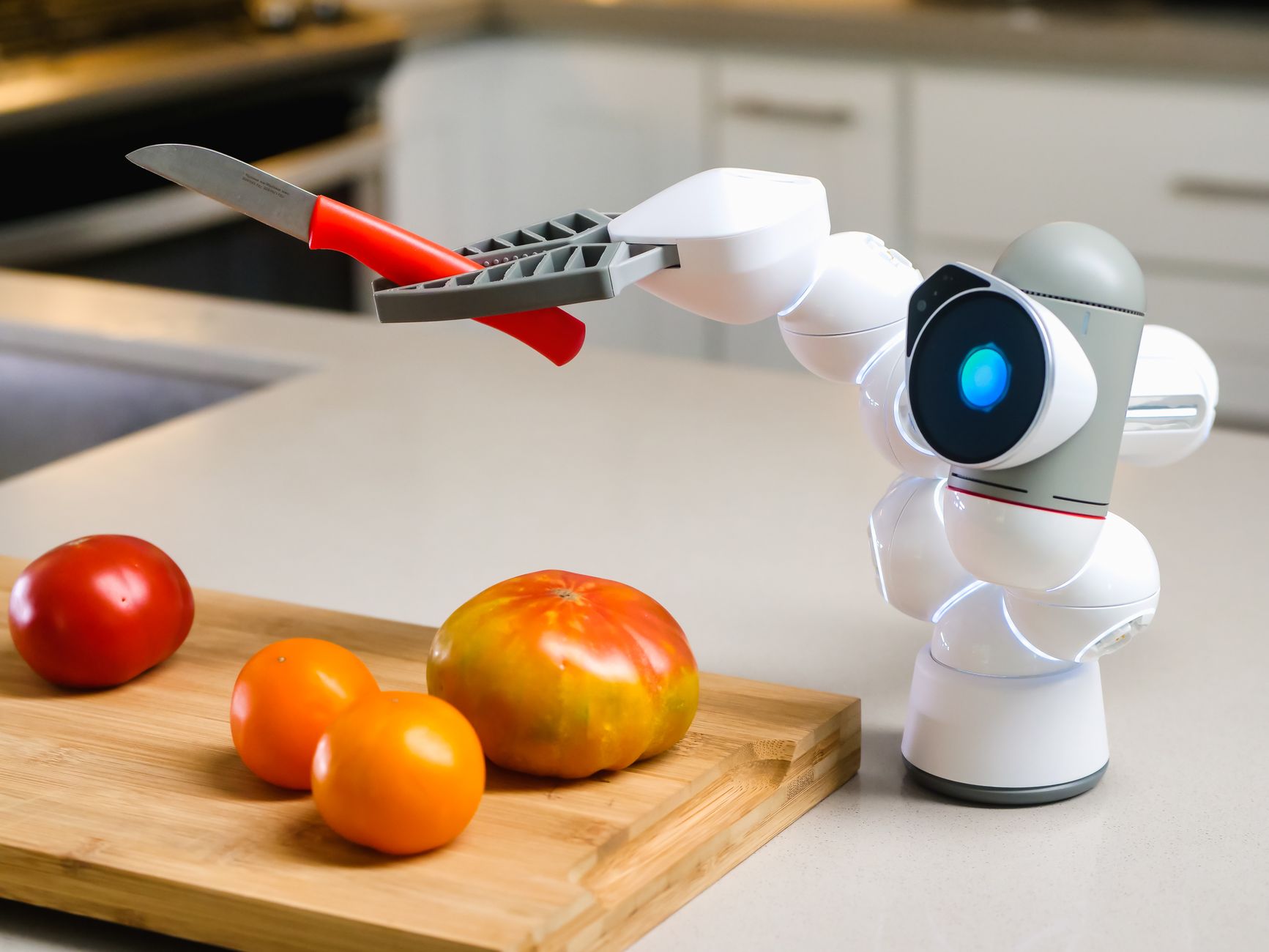
For the modern busy household, the kitchen is often the epicentre of time-saving efforts and the battleground against daily chaos. In 2026, technology continues to offer innovative solutions, and smart cooking gadgets are leading the charge in making meal preparation more efficient, cost-effective, and less stressful. These aren’t just novelties; they represent a thoughtful integration of convenience and intelligent design aimed at streamlining the cooking process from start to finish.
⚡ In a Rush? Key Takeaways
- Smart multicookers can reduce cooking time by up to 70% for certain dishes.
- Connected ovens offer remote preheating saving ~15 mins per week.
- Energy-efficient models can trim energy use by 30% compared to older appliances.
- Cost per use analysis shows smart gadgets are often cheaper long-term.
- ✅ Featured smart multicookers offer the best blend of speed, versatility, and cost-effectiveness.
How Can Smart Cooking Gadgets Simplify Meal Prep for Busy Families?
Smart cooking gadgets streamline meal prep by automating tasks, offering remote control, and optimizing cooking times, significantly reducing stress for busy families.
What are the primary benefits of integrating smart technology into kitchen appliances?
The primary benefits of smart kitchen technology revolve around time savings, enhanced convenience, and improved efficiency. For busy families, this translates directly into less time spent actively cooking and more time for other activities. Remote control features, such as preheating an oven from your mobile device or receiving notifications when dinner is ready, reduce the mental load associated with meal planning and execution. Many smart appliances also offer guided cooking programs and recipe integration, further simplifying the process for individuals who may not consider themselves accomplished cooks.
Beyond convenience, smart gadgets often provide enhanced safety features. For instance, some ovens can be remotely monitored or shut off, offering peace of mind, especially in households with young children or when dealing with unexpected interruptions. The connectivity also allows for software updates, meaning your appliance can improve over time, potentially gaining new features or optimized cooking cycles without a hardware replacement. This continuous improvement aspect is a significant differentiator from traditional appliances.
Can smart appliances help reduce household food waste?
Yes, smart appliances can help reduce food waste through features like smart refrigerator inventory tracking, recipe suggestions based on available ingredients, and precise cooking controls that prevent overcooking.
Food waste is a significant concern for many households, both environmentally and financially. Smart refrigerators, equipped with internal cameras or inventory management systems, can track what ingredients you have on hand and, crucially, when they are nearing their expiry date. This allows for more considered meal planning, ensuring that perishable items are used before they spoil. Coupled with smart cooking devices that can suggest recipes based on your available ingredients, the likelihood of using up what you have before it goes bad increases dramatically.
Furthermore, smart ovens and multicookers often feature precise temperature controls and timers. This reduces the incidence of overcooking or burning food, which is a common cause of food waste. When a dish is cooked perfectly and consistently, it’s more likely to be fully consumed. The data collected by these devices can also provide insights into consumption patterns, helping families make more accurate grocery purchases in the future.
How do smart cooking gadgets contribute to energy efficiency and lower utility bills?
Smart gadgets often feature enhanced energy management, allowing for optimized cooking cycles, remote monitoring to avoid idle states, and connection to smart grids for off-peak usage.
The integration of smart technology into cooking appliances offers substantial opportunities for energy efficiency. Many smart appliances are designed with energy-saving modes and optimized cooking cycles that use less power. For example, a smart oven might use a combination of convection and microwave heating to drastically reduce cooking times and, consequently, energy consumption compared to a traditional oven, potentially by 30-50% for specific tasks such as baking or roasting. This efficiency gain directly translates to lower electricity bills over time.
Moreover, smart appliances often connect to home Wi-Fi networks, enabling features like remote monitoring and control. This means you can ensure your appliance isn’t running unnecessarily or can schedule its operation during off-peak hours when electricity rates are lower, a practice often referred to as participating in demand response programs. Some smart refrigerators even monitor their own performance, alerting you if a door is left ajar or if the internal temperature deviates from the set point, preventing energy waste due to malfunctioning seals or inefficient operation.
What are the Most Efficient Smart Cooking Gadgets for Everyday Use in 2026?
In 2026, smart multicookers, connected ovens, and intelligent air fryers stand out for delivering significant efficiency gains and cost savings for busy households.
Is the Instant Pot (or similar smart multicooker) truly worth the investment for busy families?
The phenomenon of the smart multicooker, epitomised by the Instant Pot, is rooted in its genuine ability to streamline cooking processes. These devices combine the functions of several traditional appliances – pressure cooker, slow cooker, rice cooker, steamer, yogurt maker, and more – into a single unit. For busy families, this consolidation of duties is invaluable. A dish that might take two hours in a slow cooker, or require multiple pots on the stovetop, can often be prepared in under 45 minutes using the pressure cook function.
The efficiency gains are quantifiable. For instance, pressure cooking can reduce cooking times by up to 70% compared to traditional methods. This not only saves valuable time but also leads to energy savings, as the appliance is operating for a shorter duration. When considering the cost per use, a multicooker’s ability to prepare complex meals quickly and efficiently often outweighs its initial purchase price. A typical electric multicooker uses between 700W and 1200W, but its reduced cooking time means the total kilowatt-hours consumed per meal are often lower than using multiple stovetop burners or a conventional oven for a longer period. For families juggling work, school, and extracurricular activities, the ability to set a meal and essentially forget about it until it’s ready is a powerful advantage.
We’ve seen models in the current market that offer specific programming for common family meals, as well as Wi-Fi connectivity. This allows for remote start, monitoring, and notifications via a smartphone app. This level of connectivity means a parent can start dinner from work, or receive an alert when the rice is perfectly cooked, avoiding the common mistake of overcooking or letting it burn. Over a typical lifespan of 5-7 years, the cumulative time and energy savings make these multicookers a compelling proposition.
How do connected ovens enhance cooking efficiency and safety?
Connected ovens allow remote preheating, precise temperature control, and recipe guidance, enhancing both cooking efficiency and household safety significantly.
Connected ovens represent a significant leap forward in kitchen appliance functionality, offering a blend of convenience, efficiency, and safety that appeals strongly to busy households. One of the most lauded features is remote preheating. Imagine leaving work and initiating your oven’s preheat cycle via a smartphone app. By the time you arrive home, the oven is already at the correct temperature, saving approximately 15-20 minutes of waiting time per cooking session. Over a week of daily cooking, this can equate to nearly two hours saved.
These ovens also offer enhanced precision. Built-in temperature probes can monitor the internal temperature of meats, ensuring perfect doneness and preventing over or undercooking, which contributes to less food waste. Many models integrate with recipe apps, providing step-by-step cooking instructions that adjust oven settings automatically. This guided cooking eliminates guesswork and ensures consistent results, making even complex dishes accessible. Safety is another key advantage; remote monitoring provides alerts for potential issues, and some models allow for remote shut-off, offering invaluable peace of mind for parents or those prone to forgetting if they’ve turned off the appliance.
In terms of energy efficiency, connected ovens often boast advanced heating elements and better insulation than their predecessors. They incorporate smart algorithms to optimize heat distribution and reduce preheating times. Although the energy consumption per hour might be comparable to a traditional oven, the reduced cooking times and ability to precisely manage the heating process contribute to overall energy savings. The cost per use is an important consideration; while the upfront cost of a connected oven is higher, the combination of time savings, reduced energy usage, and minimized food waste can lead to significant long-term value.
Could an intelligent air fryer be more cost-effective than a traditional oven for smaller meals?
Intelligent air fryers are generally more energy-efficient and faster than conventional ovens for small portions, making them more cost-effective for quick meals and snacks.
Air fryers have surged in popularity, and for good reason, especially for busy households seeking quick and efficient ways to prepare smaller meals or snacks. The core principle of an air fryer is circulating hot air at high speeds, which cooks food quickly and crisply using significantly less oil compared to deep frying. While they are adept at ‘frying,’ they also excel at roasting, baking, and reheating.
From an efficiency standpoint, an air fryer typically consumes between 1400W and 1800W of power. A conventional oven, depending on its size and type (gas or electric), can draw anywhere from 2000W to 5000W. For smaller portions, such as cooking a single chicken breast, a batch of fries, or reheating leftovers, the air fryer heats up much faster and cooks food in a more concentrated space, leading to shorter cooking times. This means the total energy consumed for smaller tasks is often considerably less than firing up a large oven. The cost per use for such tasks can be as low as $0.10–0.20 compared to $0.30–0.50 for a conventional oven, making it a compelling choice for daily use.
Intelligent models add further benefits. Some app-connected air fryers offer precise temperature control, pre-programmed cooking settings for popular items, and notifications when food is ready. This elevates them beyond simple timers, offering a degree of automation that further appeals to time-strapped individuals. While not ideal for large family roasts or baking multiple trays of cookies, for everyday tasks, an intelligent air fryer offers a superior balance of speed, energy efficiency, and convenience compared to a conventional oven. The initial investment is usually between $80 and $200, with a payback period of less than a year for households that frequently prepare smaller meals or snacks.
Are smart coffee makers and kettles truly beneficial for time-pressed mornings?
Smart coffee makers and kettles offer notable time savings on busy mornings by allowing remote start and automated brewing/heating, crucial for time-pressed individuals.
Mornings are often the most demanding part of the day for busy households, and anything that can shave off precious minutes is highly valuable. Smart coffee makers and kettles directly address this need. A smart coffee maker, connected to your home Wi-Fi, can be programmed or started remotely via a smartphone app. This means you can initiate the brewing process while you’re getting ready, ensuring a fresh cup of coffee is ready the moment you step into the kitchen. This can easily save 5-10 minutes each morning, time that can be reallocated to other tasks or simply enjoyed as a moment of peace before the day begins.
Similarly, smart kettles allow for remote operation or scheduled heating. Some models even offer precise temperature control, which is beneficial not only for a perfect cup of tea but also for quickly preparing bottles for infants without the risk of overheating. The convenience of having hot water ready at a specific time or at the touch of a button on your phone cannot be overstated when juggling multiple morning routines. While the energy consumption of these smaller appliances is not a major portion of a household’s utility bill, the cumulative time-saving aspect for busy families is significant. The cost of smart coffee makers ranges from $70 to $200, and smart kettles from $40 to $100, offering a tangible return on investment in terms of daily efficiency.
Does a smart oven and cooktop combination offer better efficiency than separate units?
Integrated smart oven and cooktop units often provide superior energy management and smooth connectivity, leading to better overall cooking efficiency.
When considering a kitchen upgrade, a fully integrated smart oven and cooktop system offers distinct advantages in both efficiency and cohesive smart home functionality. These systems are designed to work in concert, allowing for more sophisticated control and potentially greater energy savings than managing separate smart appliances. For instance, the oven might communicate with the cooktop to adjust heat levels based on the cooking program selected, optimizing the cooking process for both components simultaneously.
Smart cooktops, particularly induction models, are already highly energy-efficient, converting nearly 90% of their energy directly into heat, compared to around 40% for electric coil or radiant cooktops. When paired with a smart oven that features advanced insulation, precise temperature calibration, and energy-saving modes (like convection or steam cooking that reduce overall cook times), the combined efficiency is substantial. Some advanced systems can even communicate with other smart home devices or energy management systems, allowing for automatic adjustments during peak electricity usage times to conserve energy and lower costs. The upfront investment is considerable for these premium systems, but for families prioritizing streamlined operation, maximum energy savings, and advanced cooking capabilities, the integrated approach is often the most effective.
What is the Cost Per Use of Smart Cooking Gadgets Compared to Traditional Appliances?
The cost per use for smart cooking gadgets is often lower due to faster cooking times, reduced energy consumption, and minimized food waste, offsetting higher initial purchase prices.
How do the running costs of smart versus traditional ovens compare annually?
Comparing the annual running costs of smart ovens against their traditional counterparts reveals a complex but generally favourable picture for smart technology, primarily driven by efficiency and reduced cooking times. While specific figures vary based on model, usage frequency, and local electricity rates (currently averaging around $0.16/kWh in the US), a conventional electric oven might consume 1.5-3 kWh per hour of operation. If used for an average of 1.5 hours per day, this could amount to an annual electricity cost between $130 and $220, excluding the cost of preheating.
Conversely, many smart ovens use advanced convection or combination steam/convection technologies that can drastically reduce cooking times. For example, a roast that takes 2 hours in a traditional oven might be done in 1 hour and 15 minutes with a smart oven’s advanced settings. This reduction in active cooking time, combined with faster preheating and potentially better insulation, can lead to energy savings of 20-40%. For a family cooking regularly, this translates to an annual saving of $25-$80 or more. The upfront cost of a smart oven can be $1,000 to $3,000 higher than a basic model, but over a 10-15 year lifespan, the cumulative energy savings, coupled with increased convenience and reduced food waste, can make it a more economical choice.
What is the typical cost per cooking cycle for a smart multicooker?
A smart multicooker’s cost per cooking cycle typically ranges from $0.10 to $0.25, depending on electricity rates and the duration/intensity of the cooking program used.
Determining the precise cost per cooking cycle for a smart multicooker provides a clear financial metric for evaluating its efficiency compared to traditional methods. As mentioned, these devices operate within a power range of 700W to 1200W. Let’s consider a popular 8-quart multicooker that draws approximately 1000W (1kW). If it runs for 30 minutes for a specific recipe, the energy consumed for that cycle is 0.5 kWh (1 kW \* 0.5 hours).
At the average US electricity rate of $0.16/kWh, this single cycle would cost $0.08. However, factors like pressure build-up time, sauté functions before pressure cooking, and keep-warm modes extend the overall operation time and energy draw. A more realistic average cycle, accounting for these phases, might realistically consume 0.75 kWh to 1.25 kWh. Therefore, the estimated cost per cycle ranges from