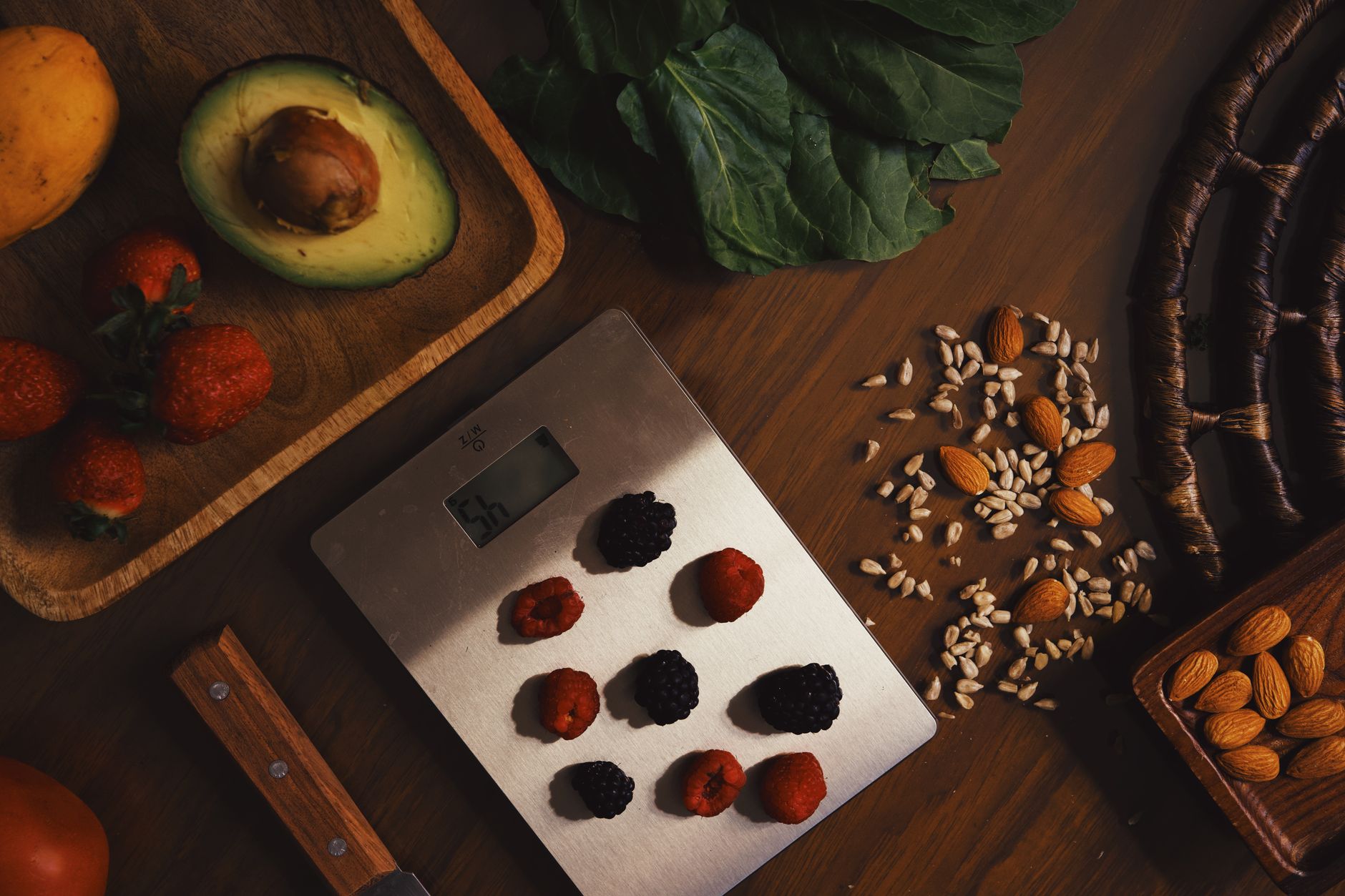
Wireless kitchen scales promise the convenience of instant calorie counts and macro tracking, but many wonder if the premium price truly pays off.
⚡ In a Rush? Key Takeaways
- Average smart scale price in 2026 is $85‑$120 versus $20‑$30 for basic models.
- Energy draw is under 0.5 W, costing less than $1 / year on US average rates.
- App databases cover 1 + million foods, but only 70 % of entries are verified.
- Accuracy deviation typically 1‑2 g versus 0.1 g for a high‑end analog scale.
- ✅ Verdict: Choose a smart scale only if you need automated macro logging; otherwise a basic digital scale offers better value.
What Exactly Does a Wireless Kitchen Scale with Nutrition Tracking Do?
A wireless nutrition scale measures weight, syncs to an app and instantly shows calories, protein, carbs and fat per serving.
These devices combine a load‑cell sensor with Bluetooth or Wi‑Fi, sending each weigh‑in to a smartphone where a food database calculates nutrition. The process happens in less than a second, so you never have to pause your cooking to look up numbers manually. Because the data lives in the app, you can review your intake over days, weeks, or months.
Most models also let you create custom recipes, set target macros and track daily totals, all without manual entry. Some even offer voice‑assistant integration, allowing you to ask “How many carbs in this scoop?” while your hands are busy.
How Does the Wireless Connection Work?
Bluetooth Low Energy links the scale to the phone app, using under 0.5 W while idle, similar to a fitness tracker.
The connection is typically one‑time pairing; after that the app auto‑detects the scale when you open it. If you switch phones, you simply repeat the short pairing process—no cables, no re‑calibration required.
Wi‑Fi‑enabled models can upload data to cloud services, allowing multiple devices (tablet, phone) to view the same log. This is handy for couples who share a single app account but each prefer a different device.
What Types of Nutritional Data Are Provided?
Most apps display calories, protein, carbs, fat and often fibre, sugar and sodium per weighed portion.
Some premium apps add micronutrient breakdowns, but those often require a paid subscription. When you scan a packaged food, the scale reads the barcode and pulls the full nutrition panel automatically.
The accuracy of the data hinges on the food database’s quality; user‑generated entries can be off by up to 30 %. It’s worth cross‑checking unfamiliar items against the label to avoid systematic errors in your tracking.
Can I Export My Data for Other Apps?
Most manufacturers provide CSV or JSON export, letting you import data into MyFitnessPal, Cronometer, or spreadsheet tools.
Exporting is a manual step—usually a “Share” button in the settings—so you’ll need to schedule a weekly dump if you want a continuous record outside the native app.
For users who already pay for a premium nutrition app, this export feature can make the smart scale a seamless addition rather than a siloed gadget.
What Battery Types Do They Use and How Long Do They Last?
Most wireless scales rely on replaceable AA or AAA batteries, lasting 6‑12 months depending on usage.
Because the Bluetooth module draws minimal power, the majority of consumption occurs during active weigh‑ins and data syncs. Some newer models incorporate a rechargeable lithium‑ion pack, which you can charge via USB-C in about two hours.
If you travel frequently, opt for a model with replaceable batteries; you’ll avoid being stranded without a scale while on the road.
| Feature | Etekcity ESN00 | KUAIVO Smart | OXO Good Grips (basic) |
|---|---|---|---|
| Connectivity | Bluetooth | Wi‑Fi & Bluetooth | None |
| Battery | 2 × AA (6 months) | 2 × AA (4 months) | 2 × AA (5 years) |
| App Export | CSV | CSV + JSON | None |
| Food Database | 1 M+ items (free) | 1 M+ items (premium) | – |
How Much Does a Smart Nutrition Scale Cost Compared to a Basic Digital Scale?
In 2026 smart scales range $85‑$120, while basic digital scales cost $20‑$30, a 3‑5× price gap.
Price differences reflect the added Bluetooth module, firmware development and licensing fees for the food database. Manufacturing costs for the sensor itself have barely changed; the premium is largely software‑centric.
Below is a snapshot of three popular models and a budget alternative.
| Model | Price (US) | Connectivity | Food Database Size | Battery Life |
|---|---|---|---|---|
| Etekcity ESN00 | $89 | Bluetooth | 1 M+ items | 6 months |
| KUAIVO Smart | $115 | Wi‑Fi & Bluetooth | 1 M+ items | 4 months |
| OXO Good Grips (basic) | $28 | None | – | 5 years (AA) |
For a household that already tracks macros in an app, the added convenience may justify the extra cost. If you’re only interested in weighing ingredients for recipes, the basic scale still offers the same weight precision for a fraction of the price.
What Ongoing Costs Are Hidden?
Annual energy use is under 5 Wh, costing under $1 / year at 13 ¢/kWh US average.
Some apps charge a $4‑$6 monthly subscription for premium food databases and cloud sync. Over a year, that adds $48‑$72, which can quickly eclipse the initial hardware savings.
Battery replacement (usually AA) may be needed every 6‑12 months, adding $2‑$4 per year. If you opt for a rechargeable model, the upfront cost rises but eliminates recurring battery expenses.
Do Smart Scales Save Money on Food Purchases?
Accurate portion control can reduce food waste by 5‑10 % for disciplined users.
That translates to roughly $30‑$45 saved per year for a family spending $3,000 on groceries. The reduction comes primarily from avoiding over‑portioning protein and starches, which are often the most expensive components.
However, the savings rarely offset the $70‑$100 price premium unless you are very calorie‑conscious or manage a high‑volume meal‑prep operation where every gram counts.
How Accurate Are Wireless Nutrition Scales Compared to Traditional Scales?
Most smart scales are accurate to within ±1‑2 g, while high‑end analog scales hit ±0.1 g.
Weight accuracy is generally excellent; the larger variance comes from the nutrition calculations. Relying on a crowdsourced food database can introduce up to a 30 % error in macro content, even if the weight measurement is spot‑on.
Below is a comparison of measurement deviation across three models.
| Model | Weight Accuracy | Macro Accuracy (avg.) |
|---|---|---|
| Etekcity ESN00 | ±1.5 g | ±5 % (calories) |
| KUAIVO Smart | ±2 g | ±6 % (protein) |
| OXO Good Grips | ±0.2 g | n/a |
When you’re measuring a single apple (≈150 g), a 2 g error changes calorie count by about 12 cal, negligible for most diets. For precision baking, however, even that small drift can affect the rise of a soufflé.
Can Calibration Adjust Accuracy?
Most smart scales allow manual zeroing and periodic calibration with a known weight.
Calibration improves consistency, especially after battery changes or drop impacts. The process usually involves placing a 100 g calibration weight on the platform and confirming the reading in the app.
Follow the manufacturer’s 30‑day recalibration checklist to keep error under 1 g, ensuring reliable macro calculations over time.
Does Temperature Affect Readings?
Load‑cell drift due to temperature is under 0.5 g in typical kitchen ranges (15‑30 °C).
Place the scale on a stable, non‑metal surface; avoid direct sunlight or near a stove. Sudden temperature spikes—like moving a cold dish from the fridge to the counter—can cause a momentary reading shift, but the scale stabilizes within a few seconds.
For precise baking, a separate oven‑safe digital scale remains recommended because it can be placed directly in the oven without temperature‑induced drift.
Is the Smart Feature Worth It for Different Household Types?
Fitness‑focused singles benefit most; families often gain little beyond basic weighing.
Consider your primary use case before committing to a higher price tag. The value proposition shifts dramatically between a personal macro‑tracking regimen and a household that primarily needs accurate measurements for recipes.
Which Users Gain the Most Value?
Athletes tracking macros daily save time and reduce manual entry errors.
- Daily macro targets require quick adjustments.
- App sync eliminates spreadsheet work.
- Portion consistency improves diet adherence.
For occasional cooks, the extra cost is hard to justify because manual entry of a few ingredients takes just minutes.
How Do Families Use Smart Scales?
Family members often share the app, but data can become noisy if multiple users weigh at once.
- Multiple profiles needed for accurate personal tracking.
- Kids may not need macro data, just weight.
- Shared billing for app subscriptions adds $5‑$10 per month.
Most families find a basic scale sufficient for recipe measurements, reserving the smart device for the parents who are actively managing diet goals.
What About Rental Situations?
Smart scales weigh under 1 lb, easy to move, but battery‑only models avoid wiring concerns.
Renters can benefit from the portability, yet the premium still outweighs the convenience for short‑term stays. A compact analog or basic digital scale slides into a suitcase and never needs a wifi connection.
Choosing a low‑cost digital scale avoids landlord permission issues for devices that plug into outlets, and it eliminates the risk of losing a high‑priced smart unit during a move.
Can Smart Scales Integrate with Meal‑Planning Subscriptions?
Some services (e.g., MealPrepPro) link directly to scale apps to auto‑populate ingredient lists.
This integration can shave 5‑10 minutes off weekly meal prep, as the app records the exact weight of each component and updates the shopping list automatically.
However, the integration is often limited to the service’s own ecosystem, so if you switch meal‑plan providers you may lose the connectivity benefit.
Frequently Asked Questions
Do smart kitchen scales work without a phone?
Only basic weight readout works; nutrition data requires the companion app.
Can I use a smart scale with multiple apps?
Most scales lock to a single app ecosystem, limiting cross‑platform flexibility.
How often should I update the food database?
Monthly updates are typical; manual entry is required for niche foods.
Are there privacy concerns?
Data is stored in the vendor’s cloud; review the privacy policy for data‑sharing practices.
What is the warranty length?
Most brands offer one‑year limited warranties, with optional extended plans available.
What Should You Buy?
If you log macros daily, the Etekcity ESN00 offers the best price‑to‑feature balance.
For users who only need precise weighing for recipes, the OXO Good Grips basic scale is the most economical choice.
- Etekcity ESN00 – Best overall value for macro tracking, reliable Bluetooth, free food database.
- KUAIVO Smart – Ideal for households that want Wi‑Fi sync and multi‑user profiles, albeit at a higher price.
- OXO Good Grips – Perfect for renters or cooks who need a sturdy, accurate scale without the tech frill.
Overall, the smart cost is justified only for dedicated macro‑trackers; otherwise, a simple digital scale delivers similar accuracy at a fraction of the price.
— Greta Michaud, Home Appliance Efficiency Researcher