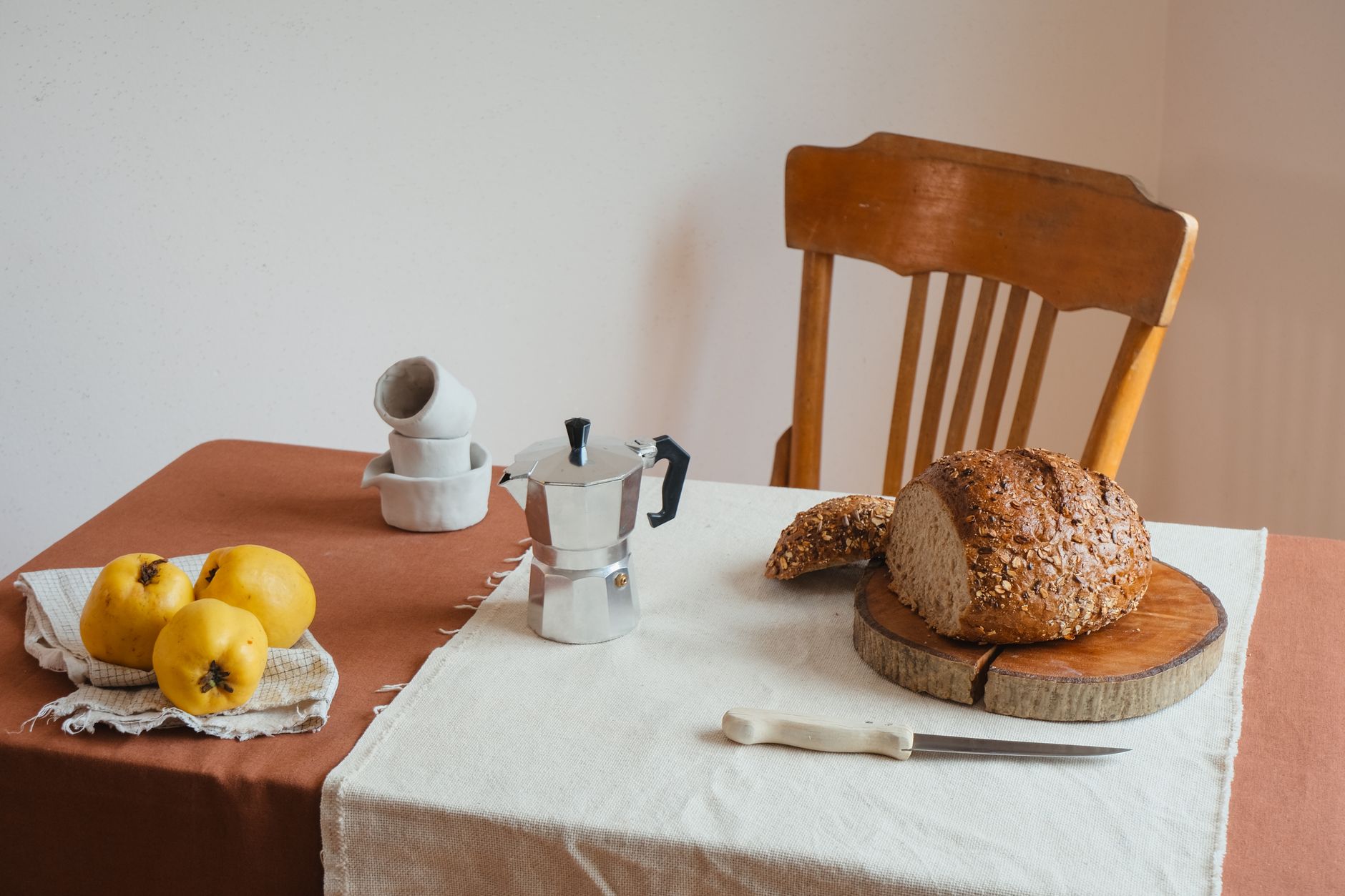
A bread maker is a dedicated countertop appliance that automates the kneading, rising, and baking process, allowing you to produce fresh loaves with minimal manual intervention. While enthusiasts appreciate the convenience, the primary motivation for most homeowners today is cost control and ingredient quality, as modern machines have become significantly more energy-efficient than their predecessors.
⚡ In a Rush? Key Takeaways
- Most bread makers consume between 0.3 kWh and 0.6 kWh per standard loaf cycle.
- Homemade bread costs roughly 40-60% less per loaf than premium artisan grocery options.
- You need to bake at least 25-30 loaves to recover the initial appliance investment.
- ✅ Best value: Use a mid-range model for daily staples to maximise ROI.
How Much Energy Does a Bread Maker Actually Consume?
A typical bread maker uses 0.3 to 0.6 kWh per cycle, costing roughly $0.05–$0.10 in electricity depending on your local energy rates.
Is a bread maker more efficient than a conventional oven?
Yes, a bread maker is significantly more efficient than an oven because it heats only a tiny, insulated chamber rather than a full cavity.
Using a standard home oven to bake a single loaf requires preheating a large volume of air, often consuming 1.5 to 2.5 kWh. A bread maker focuses its energy on the dough directly, reaching baking temperatures quickly and maintaining them with minimal waste.
- Bread maker: ~0.5 kWh per loaf
- Standard electric oven: ~2.0 kWh per loaf
- Efficiency gain: 75% less energy per bake
Does the length of the baking cycle affect running costs?
Longer cycles like whole wheat or sourdough settings use more total energy due to extended resting and proofing temperatures.
While the actual baking element operates for a fixed duration, the appliance maintains a specific proofing temperature during the rising phase. If your kitchen is cold, the machine will draw more power to keep the yeast active.
Will Buying a Bread Maker Save You Money?
It saves money only if you consume premium artisan loaves regularly, as the ingredient cost for basic bread remains relatively low.
How do ingredient costs compare to supermarket bread?
The raw materials for a basic loaf typically cost between $0.60 and $0.90, compared to $3.50–$5.00 for premium store-bought bread.
For those interested in kitchen workflow improvements, bread makers offer a clear path to reducing grocery bills. By buying flour in bulk, you can lower the cost per loaf even further than buying individual bags at the supermarket.
| Bread Source | Approx. Cost |
|---|---|
| Grocery store white bread | $2.50 |
| Artisan bakery loaf | $5.00 |
| Homemade (bulk ingredients) | $0.75 |
How long is the payback period for a new machine?
With moderate usage of two loaves per week, most mid-range bread makers pay for themselves in approximately six to nine months.
I often refer to my appliance performance data to determine if a new gadget justifies its footprint. If the machine sits idle, it is essentially a very expensive paperweight; if it replaces a daily habit, the ROI is rapid.
What Features Actually Matter for Daily Use?
Look for a delay timer and an automatic fruit/nut dispenser, as these two features enable the consistency required for regular use.
Why is the delay timer the most important function?
A delay timer allows you to wake up to fresh bread, turning an occasional weekend activity into a smooth part of your daily routine.
If you have to manually attend to the machine at 3:00 AM, you will eventually stop using it. The home organisation systems I build rely on automation, and a bread maker is no exception to that rule.
Are automatic dispensers worth the extra cost?
They prevent the need to listen for a beep and manually add seeds or fruit, making the baking process truly hands-off and reliable.
Crust control and loaf size settings
Adjustable crust settings let you tailor the bread’s exterior from light to dark, while loaf size options determine the final weight and shape.
Most machines offer three crust choices (light, medium, dark) that modify the baking temperature and duration at the end of the cycle. Selecting a darker crust extends the heating element’s activity, slightly increasing energy use but delivering a richer color and firmer texture. Loaf size settings typically range from 1.0 lb to 2.5 lb; choosing a smaller loaf reduces baking time and energy, useful for households that consume less bread.
When pairing crust control with a delay timer, you can wake up to a loaf with your preferred darkness without extra effort. For specialty breads like brioche or whole‑grain, a medium crust often yields the best balance of moisture and structure, whereas artisan‑style loaves benefit from a dark setting to develop a crisp, caramelized crust.
Frequently Asked Questions
-
Can bread makers handle gluten-free dough?
Many models now include specific gluten-free cycles, but success depends heavily on the recipe’s hydration levels and ingredient quality.
-
Do these machines take up too much counter space?
Most units occupy about 12 by 15 inches of space, which is roughly equivalent to a large stand mixer or a standard air fryer unit.
-
How do I clean the non-stick pan efficiently?
Never use metal utensils or abrasive pads; simply soak the pan in warm, soapy water for ten minutes to lift any remaining residue.
Last reviewed June 2026 — Greta Michaud, Home Appliance Efficiency Researcher