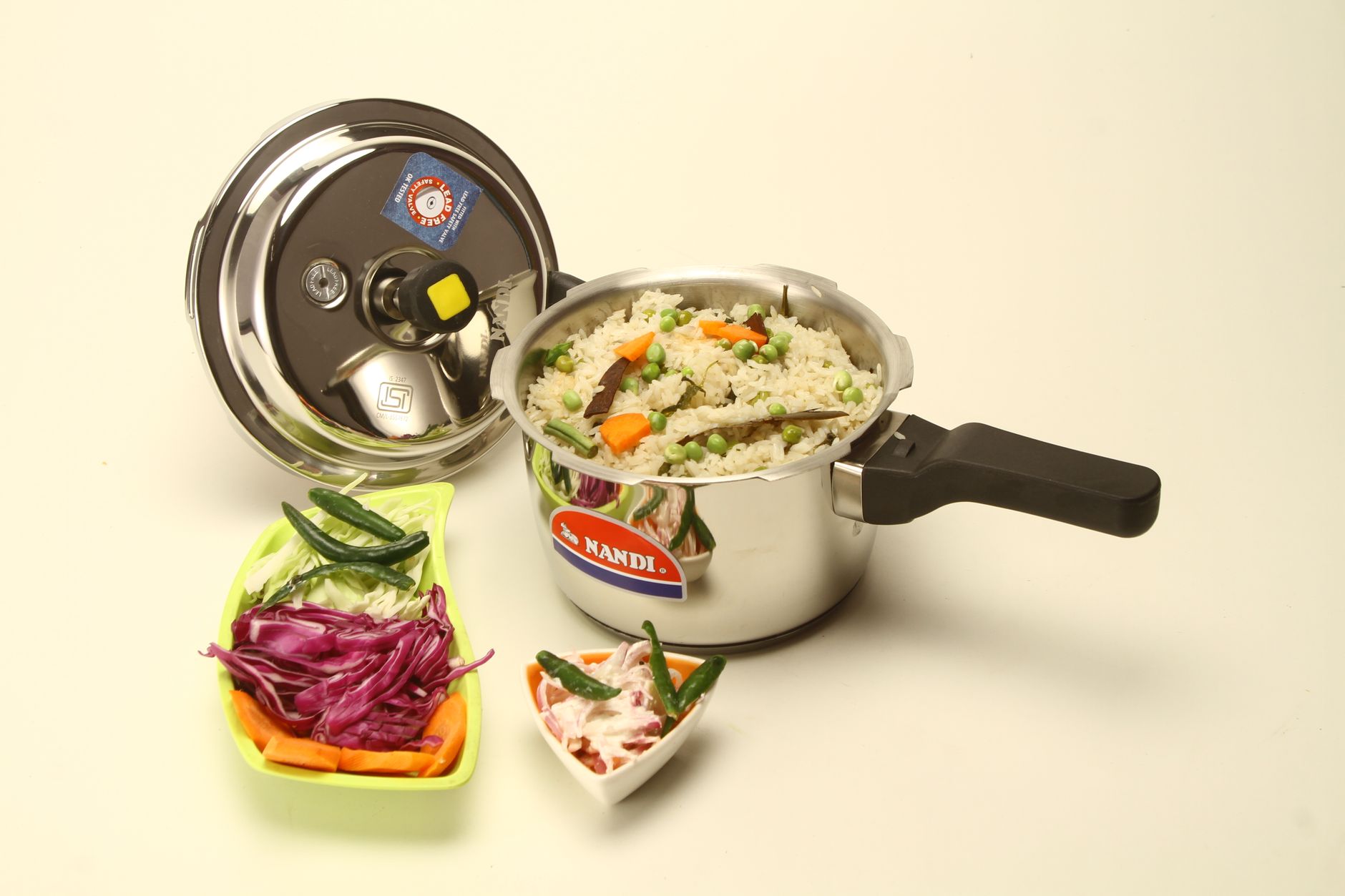
A pressure cooker reduces cooking time by up to 70% compared to traditional stovetop methods, which directly translates to significant energy savings over the lifespan of the appliance. By trapping steam to increase internal pressure and boiling point, these units cook dense ingredients like dried beans and tough cuts of meat in a fraction of the time required by a conventional oven or pot.
⚡ In a Rush? Key Takeaways
- Pressure cookers reduce energy consumption by 50-70% for long-cooking meals.
- An average hour of pressure cooking costs approximately $0.15–$0.20 in electricity.
- Electric models are generally more efficient than stovetop versions due to auto-shutoff.
- Using a pressure cooker for beans or stews can save $30+ annually in energy costs.
- ✅ Best value: Electric models offer the best balance of efficiency and hands-off cooking.
Do Pressure Cookers Actually Save Money on Electricity?
Pressure cookers save money by drastically reducing the time heat is applied, cutting total energy draw per meal by over 50 percent.
How does the pressure cooking process reduce energy consumption?
The appliance uses high-pressure steam to raise the boiling point, forcing heat into food faster than standard simmering methods.
By creating a sealed environment, the energy required to maintain a boil is virtually eliminated. Once the unit reaches pressure, it enters a low-energy “maintenance” state that barely pulls power compared to a hot plate or induction burner.
Is an electric pressure cooker more efficient than a stovetop model?
Electric models are more efficient because they have precise thermostats and automatic power-off functions once cooking is done.
Stovetop units rely on manual heat management, which often leads to wasted energy through over-boiling or unnecessary burner usage. Electric models like the ones found in our appliance performance hub ensure the heating element shuts down the moment the timer expires.
What are the real-world savings for an average family?
A household cooking three long-duration meals weekly saves roughly $35 to $50 per year on electricity compared to using a standard oven.
- Dried pulses: 60% reduction in energy usage.
- Pot roasts: 70% reduction in cooking time.
- Vegetable soups: 50% energy saving vs simmering.
- Whole grains: 40% efficiency gain over boiling.
How Do You Choose Between Stovetop and Electric Models?
Stovetop units offer speed and durability, while electric models provide the automated control needed for true energy efficiency.
Why should you consider an electric pressure cooker?
Electric models offer hands-off operation with built-in sensors that prevent the unit from staying on longer than strictly needed.
These units eliminate the risk of leaving a burner on too long. This precision is key to managing your kitchen workflow effectively without constant monitoring.
What makes a stovetop pressure cooker better for high-heat tasks?
Stovetop units reach higher internal pressures than electric models, allowing for faster searing and slightly quicker cooking times.
They are built from heavy-gauge stainless steel and can be used on any hob, including induction. They are virtually indestructible if maintained properly, often outlasting electronic controls by decades.
Which pressure release method saves more energy?
Natural release uses residual heat and no extra power, while quick release vents steam immediately, potentially wasting a small amount of energy.
For energy-conscious cooks, letting the pressure drop naturally after cooking leverages the retained heat, reducing the need for additional power to maintain pressure. Quick release is useful when you need to stop cooking instantly, but it does vent steam that could have contributed to finishing the cook, slightly increasing overall energy use.
In practice, the difference is modest—usually under 5% of total cycle energy—but for foods that benefit from continued gentle cooking (like beans or tough meats), natural release can improve tenderness without extra cost.
- Natural release: no extra power, uses residual heat, better for tenderizing, longer total cycle time.
- Quick release: immediate pressure drop, stops cooking instantly, slight energy loss from vented steam, useful for vegetables or delicate foods.
What Are the Essential Maintenance Steps for Efficiency?
Regular cleaning of gaskets and valves is essential to maintain a perfect seal and prevent energy-wasting steam leaks during use.
Why does a leaking gasket impact your energy bills?
A poor seal forces the appliance to stay in high-power mode to build pressure, negating all potential energy-saving benefits.
If you see steam escaping from the rim, the unit is not cooking efficiently. Replacing the silicone sealing ring every 18 months ensures you aren’t paying extra to vent steam into the room.
How should you clean the pressure release valve?
Remove and soak the valve assembly in warm soapy water to ensure no food debris is obstructing the pressure-regulating mechanism.
Regular maintenance ensures the unit hits pressure targets quickly, which is critical for energy efficiency throughout your cooking cycle. A clean valve is the difference between a 10-minute and 20-minute cook time.
Frequently Asked Questions
-
Can I use a pressure cooker to save on my monthly grocery budget?
Yes, pressure cookers make cheap ingredients like dried beans and tough, secondary meat cuts tender, saving money on food costs.
-
Are pressure cookers safe for daily household use?
Modern pressure cookers feature multiple mechanical and digital safety locks that make accidental opening under pressure impossible.
-
How much water is needed to keep a pressure cooker running?
You need enough liquid to generate steam, typically 1–2 cups, depending on the manufacturer instructions and the food volume.
-
Do I need to adjust recipes for high-altitude cooking?
Yes, cooking times must be increased at higher altitudes because water boils at a lower temperature, requiring more time to cook.