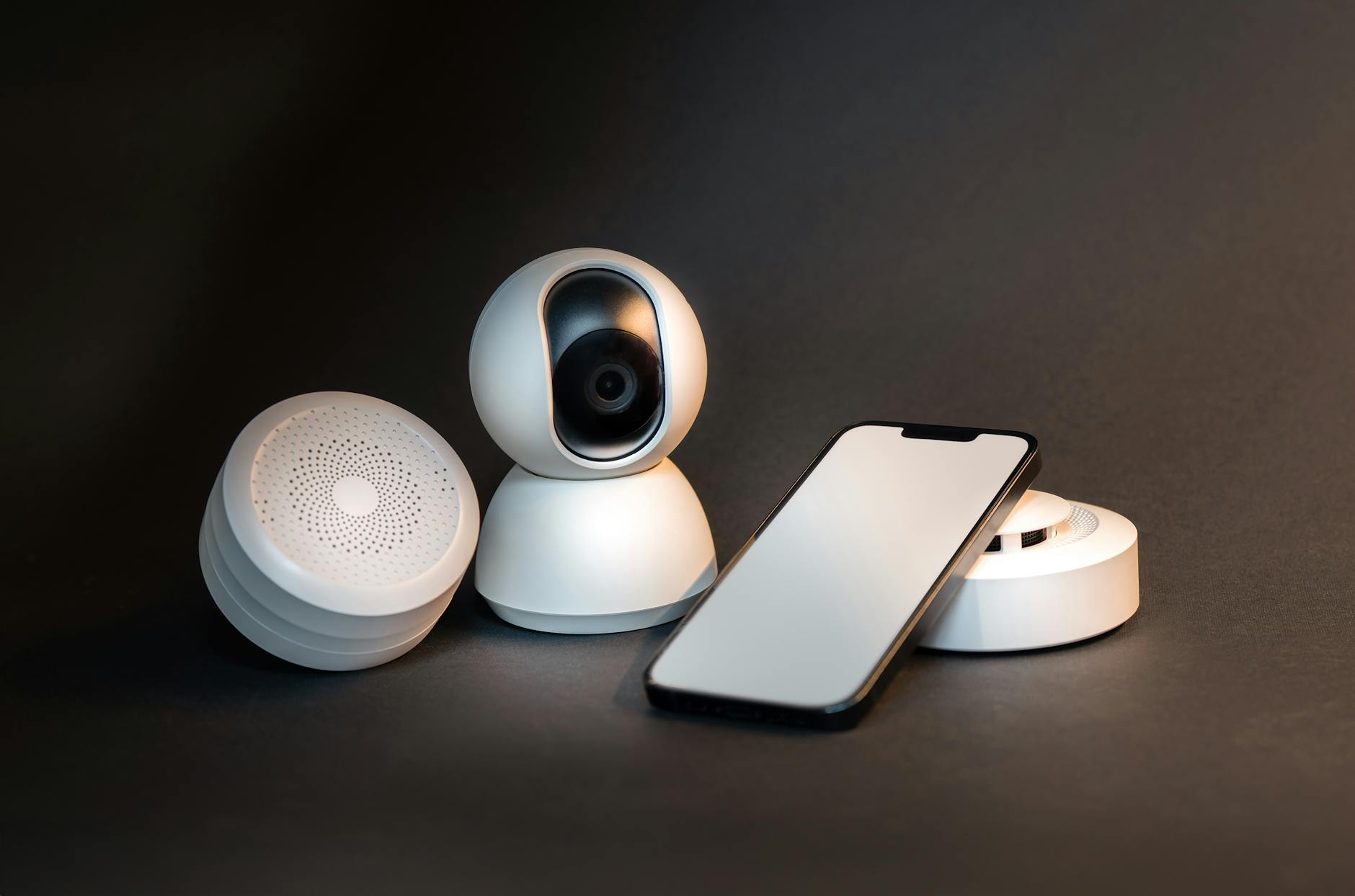
Do Smart Kitchen Devices Genuinely Prevent Food Waste and Cut Costs?
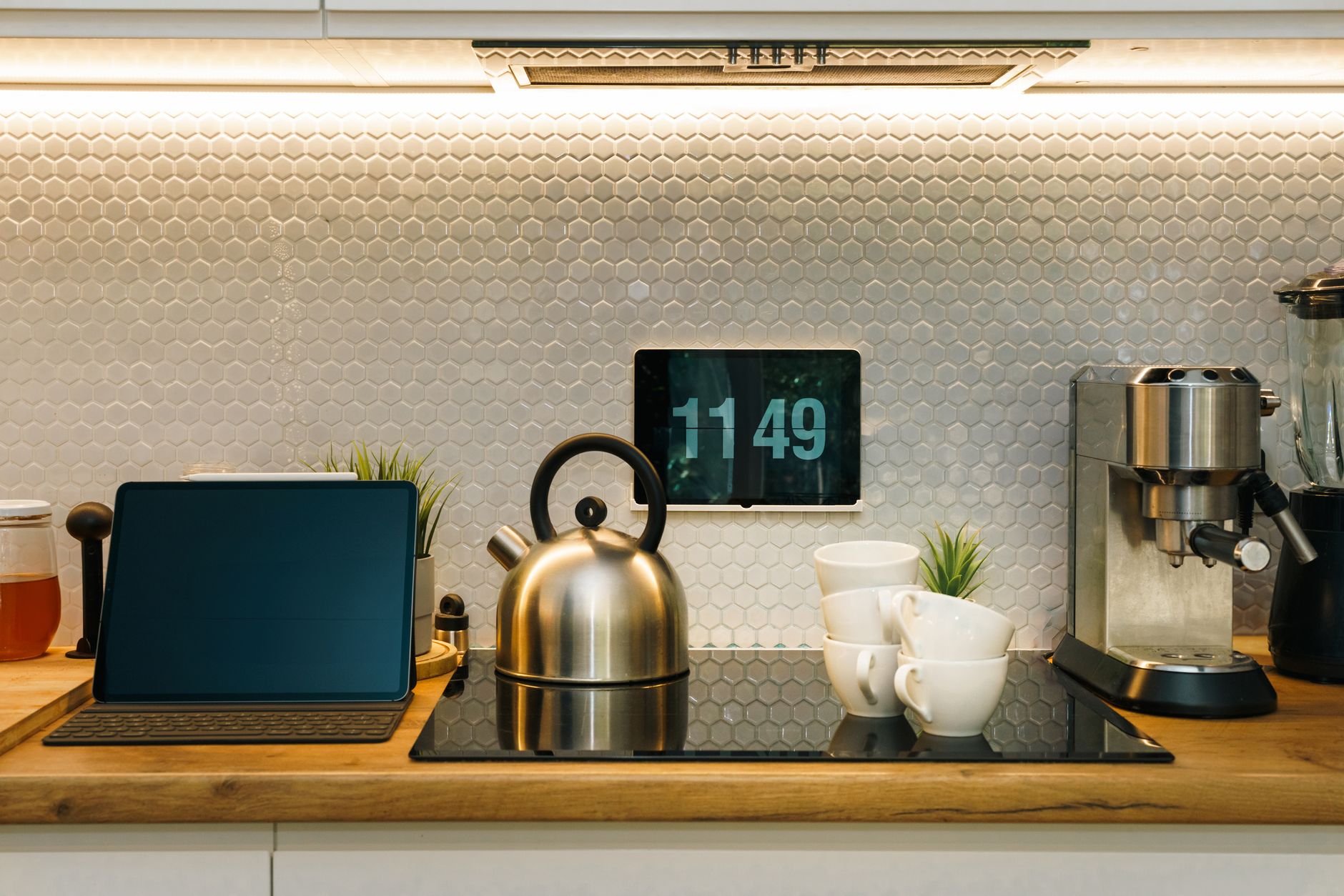
Many smart kitchen devices promise to streamline your home, but do they genuinely help you run a better home for less by reducing food waste and cutting monthly costs?
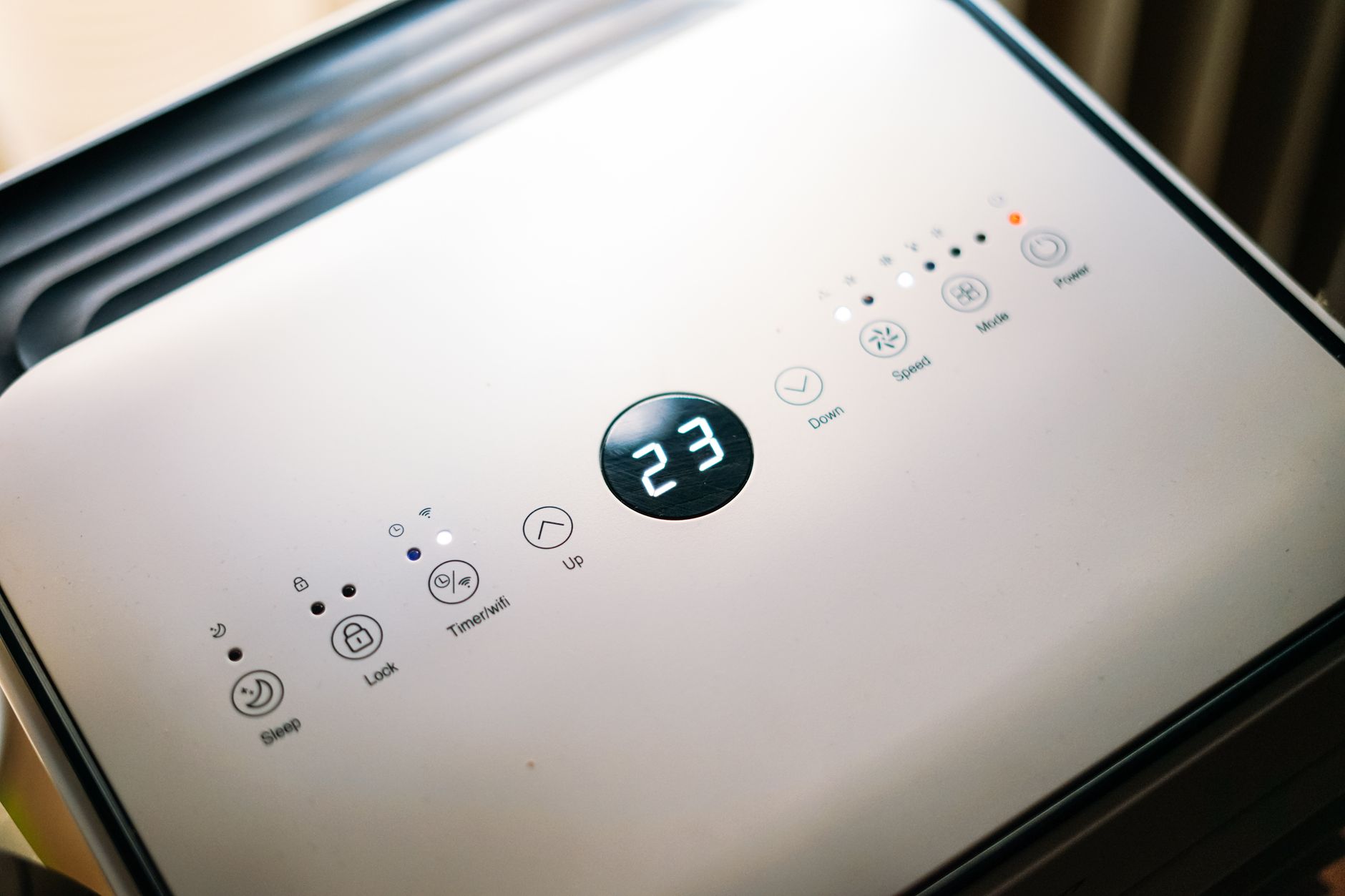
Reducing household humidity makes air easier to heat, but you must balance the machine’s running costs against your central heating savings.
Exploring the real-world impact of smart kitchen technology on food waste and household expenses. I evaluate whether these devices offer genuine savings or are simply new gadgets.
Understanding which household appliances consume power even when turned off can significantly impact your electricity bill. This guide explores the most common culprits of ‘phantom load’ and provides clear advice on what to unplug and what to leave.
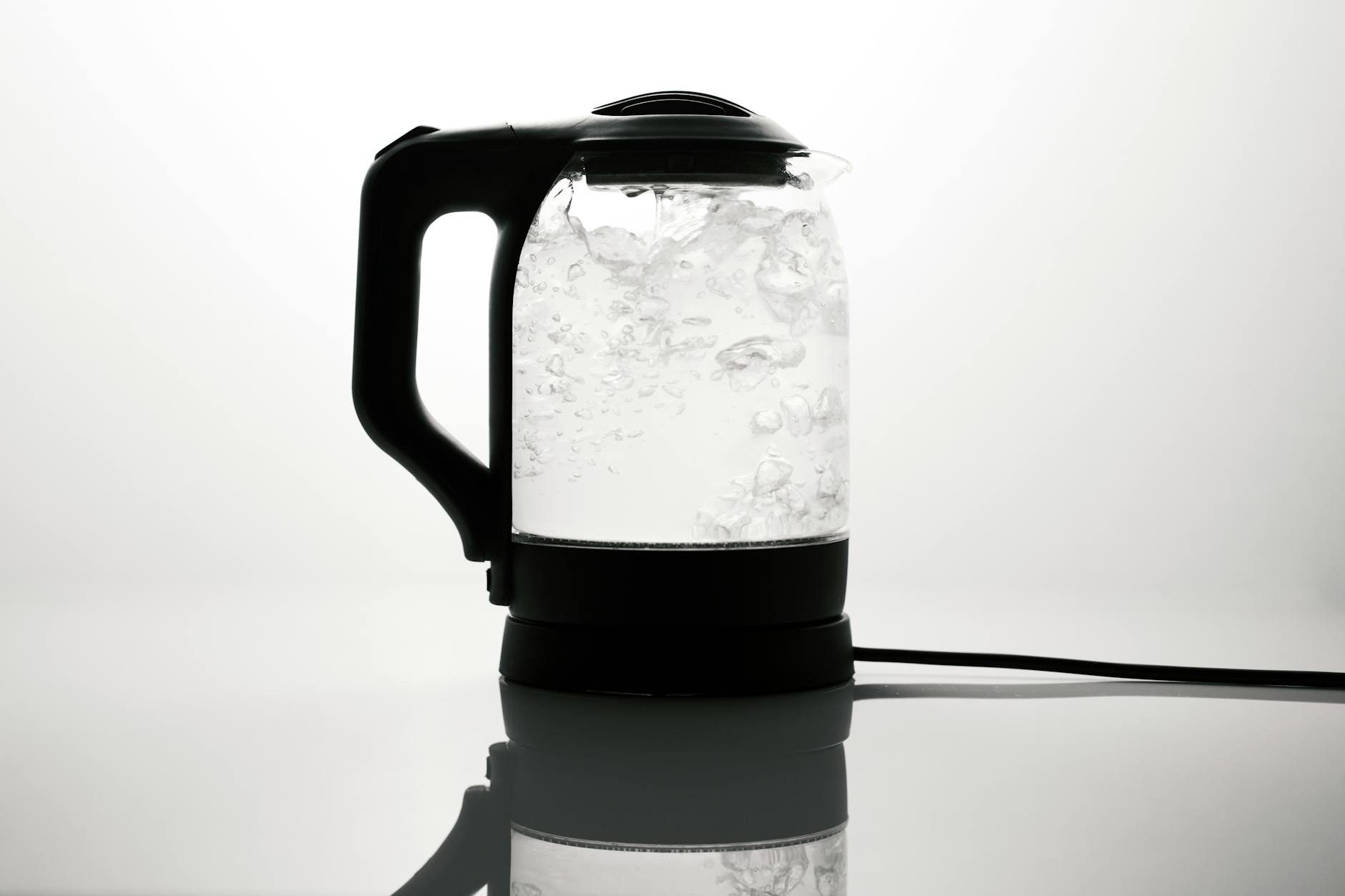
Many of us instinctively overfill the kettle. But does boiling a full kettle actually waste significant energy compared to boiling just what you need for a cup or two? The answer is nuanced, depending on your kettle’s efficiency and your habits.
Multi cookers offer a promising path to energy efficiency in the kitchen. We delve into their energy consumption compared to conventional hob cooking and explore the real-world savings.
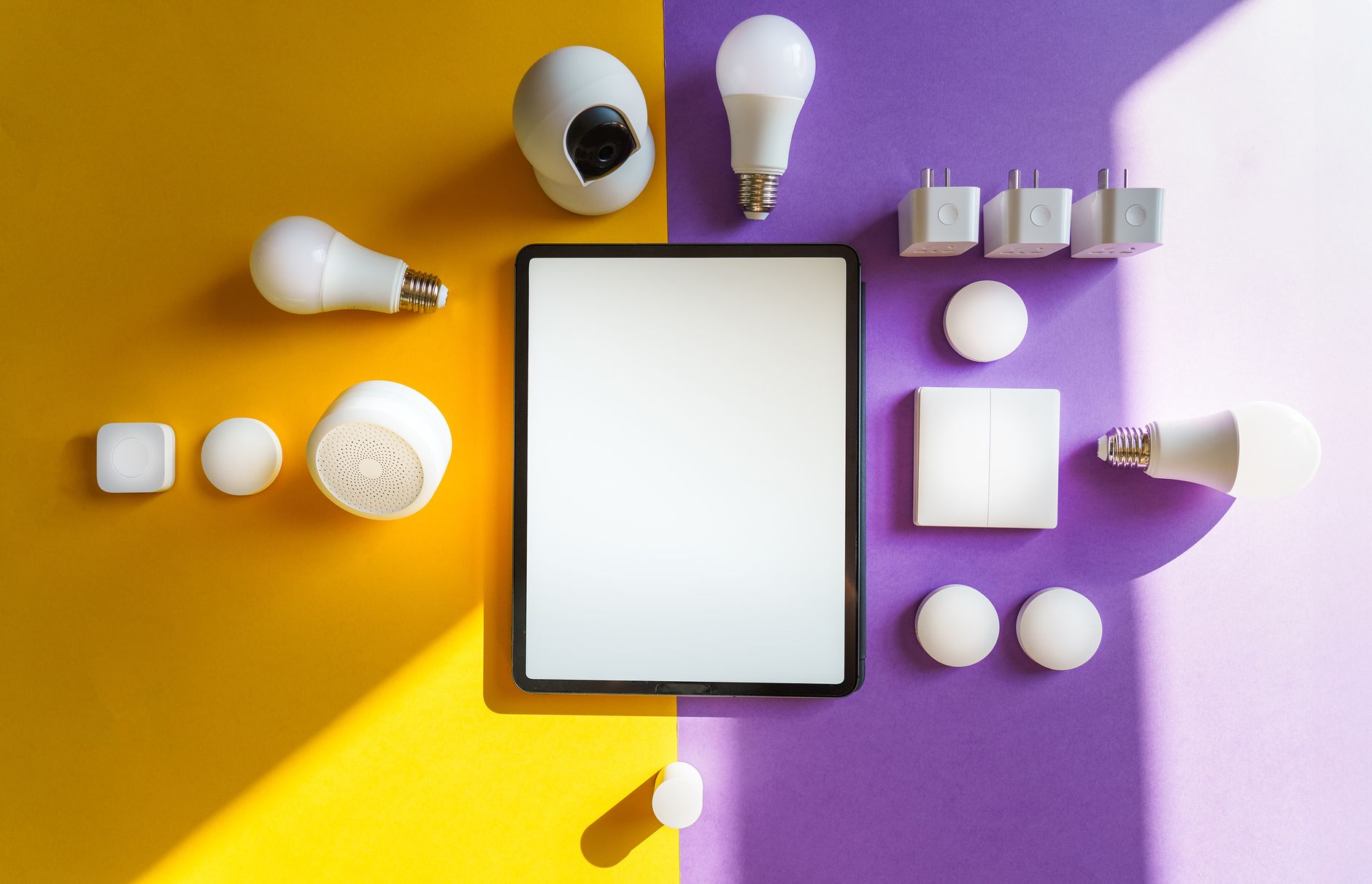
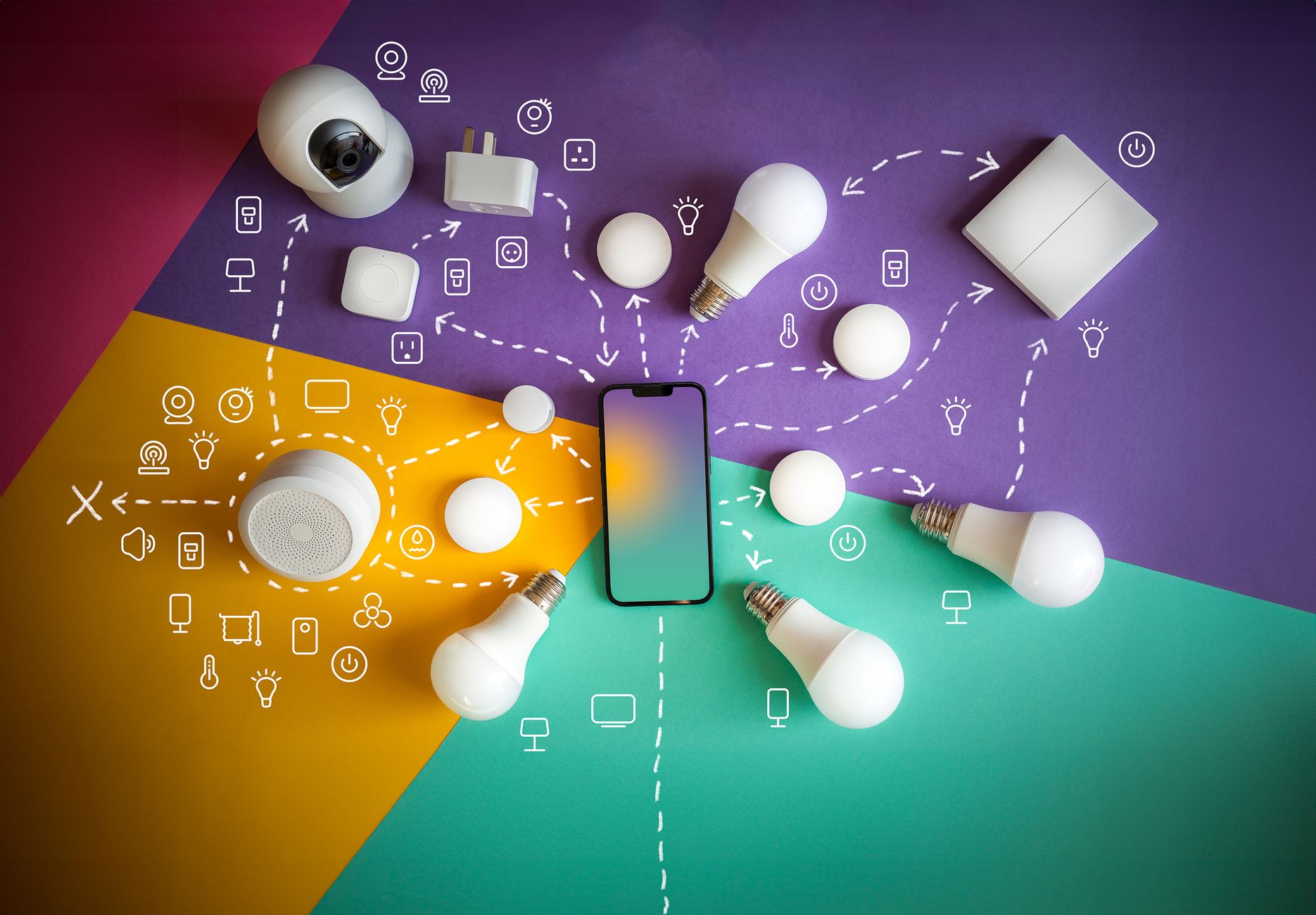
Smart home technology promises significant energy and cost savings, but not all gadgets deliver on that promise. Understanding which devices offer the most tangible benefits is key to making efficient choices.
Smart refrigerators promise a blend of convenience and efficiency through app integration, but do these advanced features truly justify their higher price point?
Smart home technology promises lower energy bills, but which devices truly deliver? Understanding the real-world savings helps renters and homeowners make informed choices.
Understanding which household appliances should be unplugged when not in use can significantly impact your energy bills and enhance home safety. Many devices consume electricity even when turned off, a phenomenon known as ‘phantom load’ or ‘vampire drain’.