Appliance Garage vs Open Counter: A Cost and Workflow Comparison
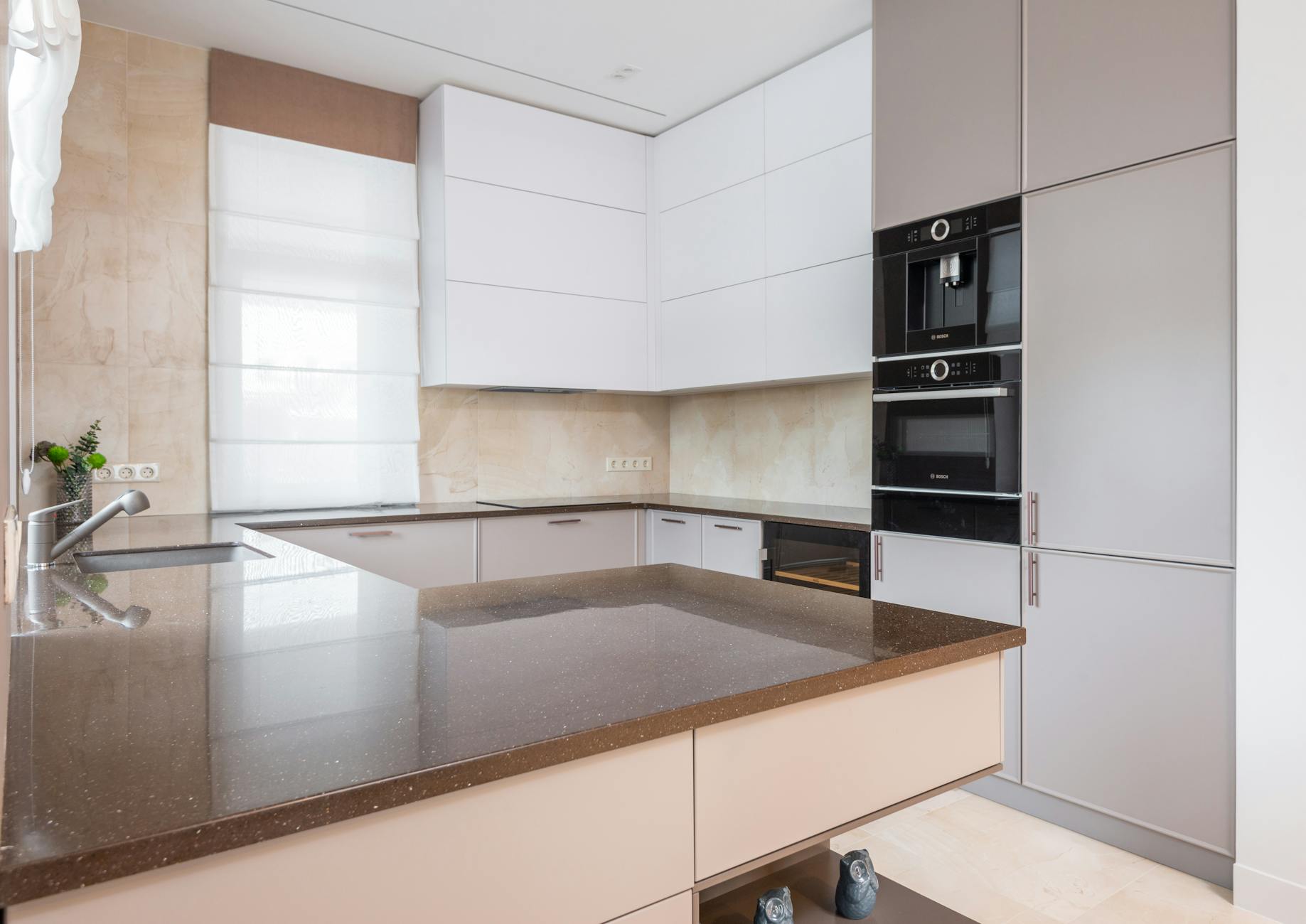
Weighing concealed storage against accessible display? This comparison examines the true costs, workflow efficiency, and spatial economics of both kitchen approaches.
Weighing concealed storage against accessible display? This comparison examines the true costs, workflow efficiency, and spatial economics of both kitchen approaches.

An honest comparison of kitchen storage systems weighing upfront installation costs, long-term maintenance expenses, and daily workflow efficiency.

Wall mounted kitchen storage offers the most efficient use of vertical space, typically costing 60% less than cabinet replacements while freeing up 20-30% of counter area.
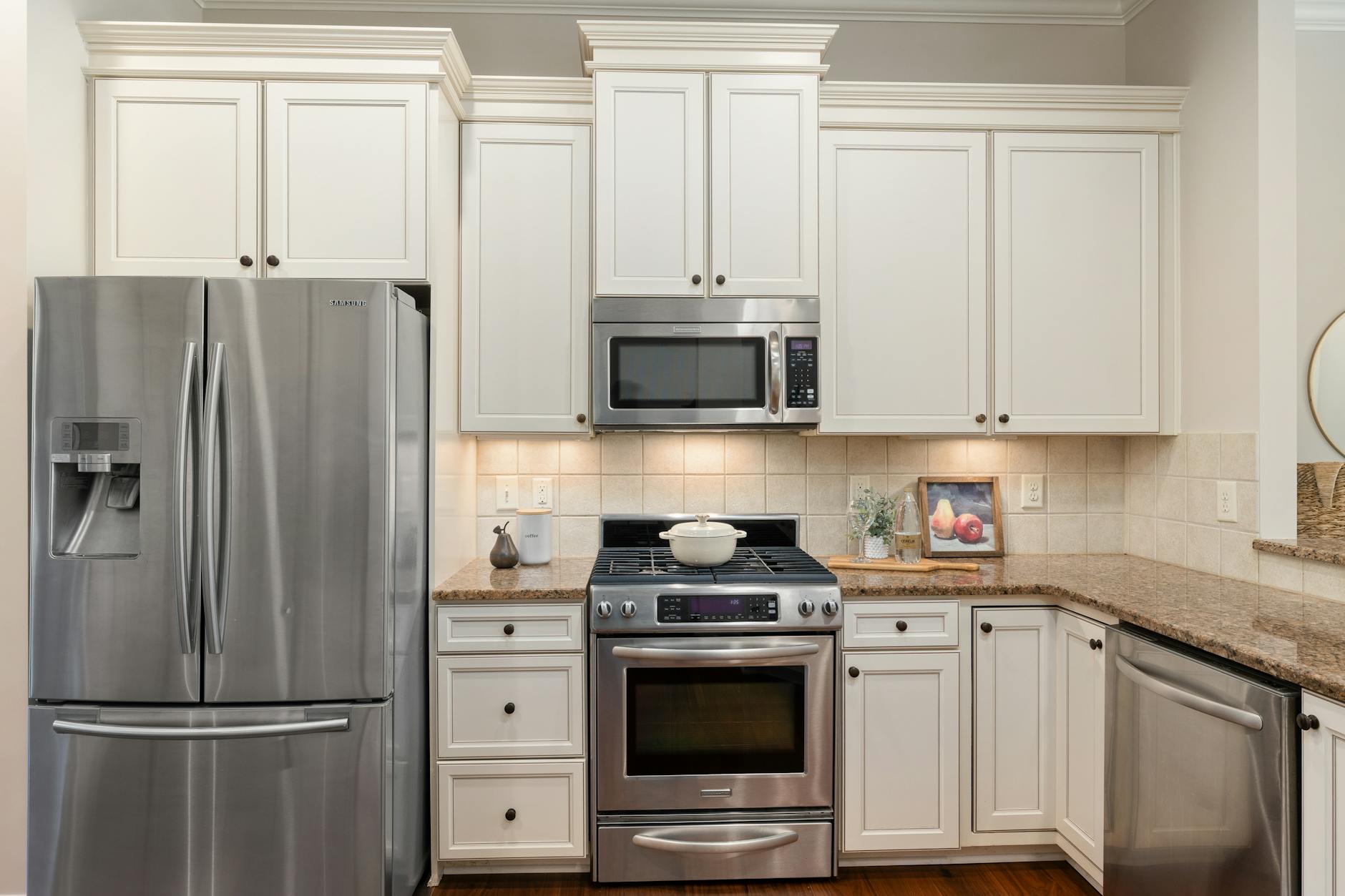
Strategic appliance positioning reduces energy consumption and daily friction. This guide examines the modern kitchen work triangle, essential clearances, and placement decisions that lower your running costs.

An organized refrigerator operates as a preservation system rather than a passive storage unit. Here is how to arrange your shelves to extend food longevity and lower utility bills.

Transform chaotic cooking into an efficient workflow with a meal prep zone system. This guide explains how dedicated kitchen stations reduce food waste and cut weekly preparation time by up to 50%.

A disciplined 30 minute kitchen reset routine creates more than visual order. It preserves appliance lifespan, prevents food waste costing $15–$25 monthly, and eliminates the need for intensive weekend cleaning sessions.

An organised refrigerator reduces energy consumption through shorter door-open times while preventing the average £700 annual food waste most households generate.
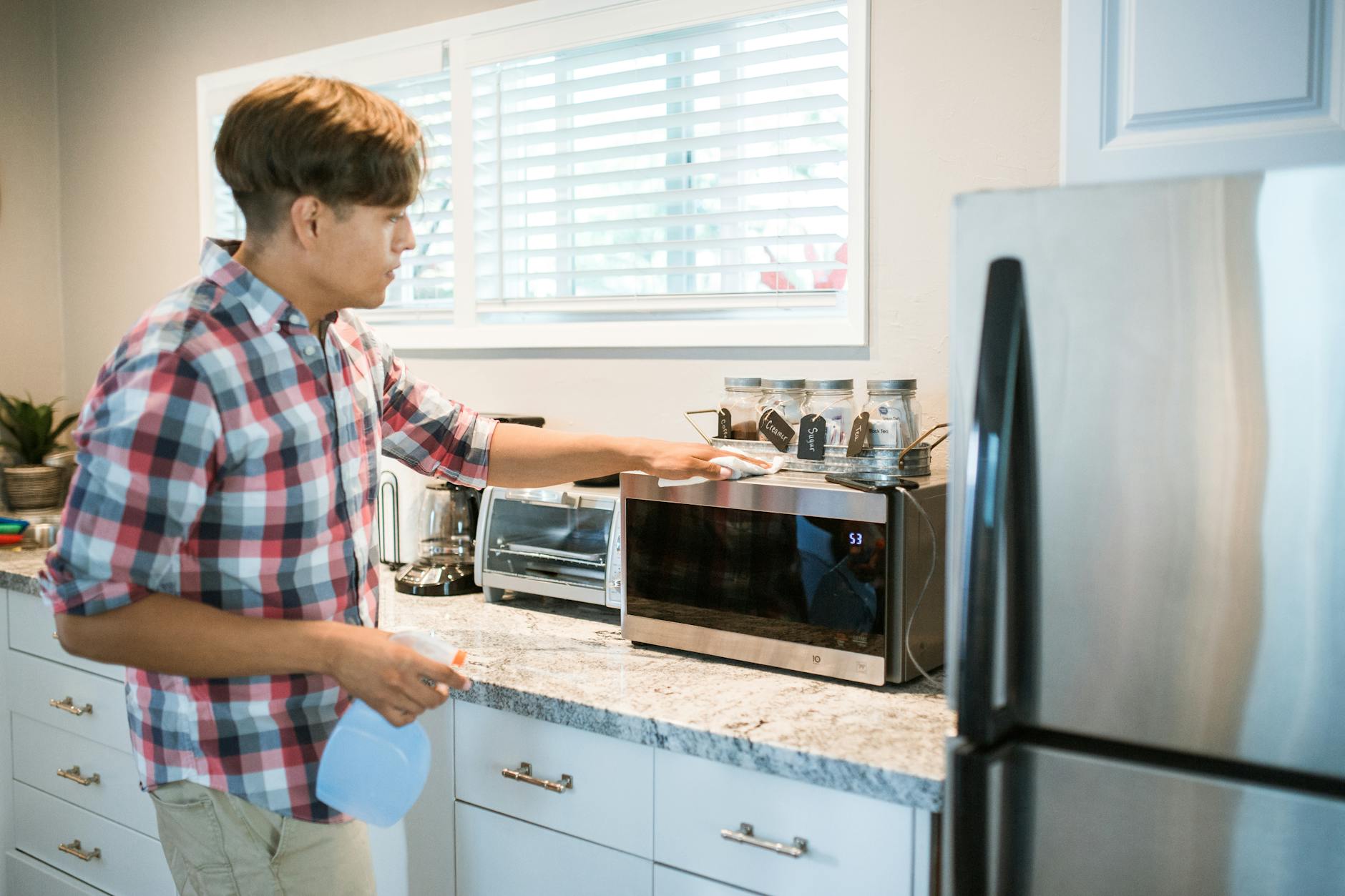
Microwaving milk for coffee is the fastest way to add warmth, but requires technique to avoid scalding. Here is the honest breakdown of energy costs, texture compromises, and the safest containers to use.
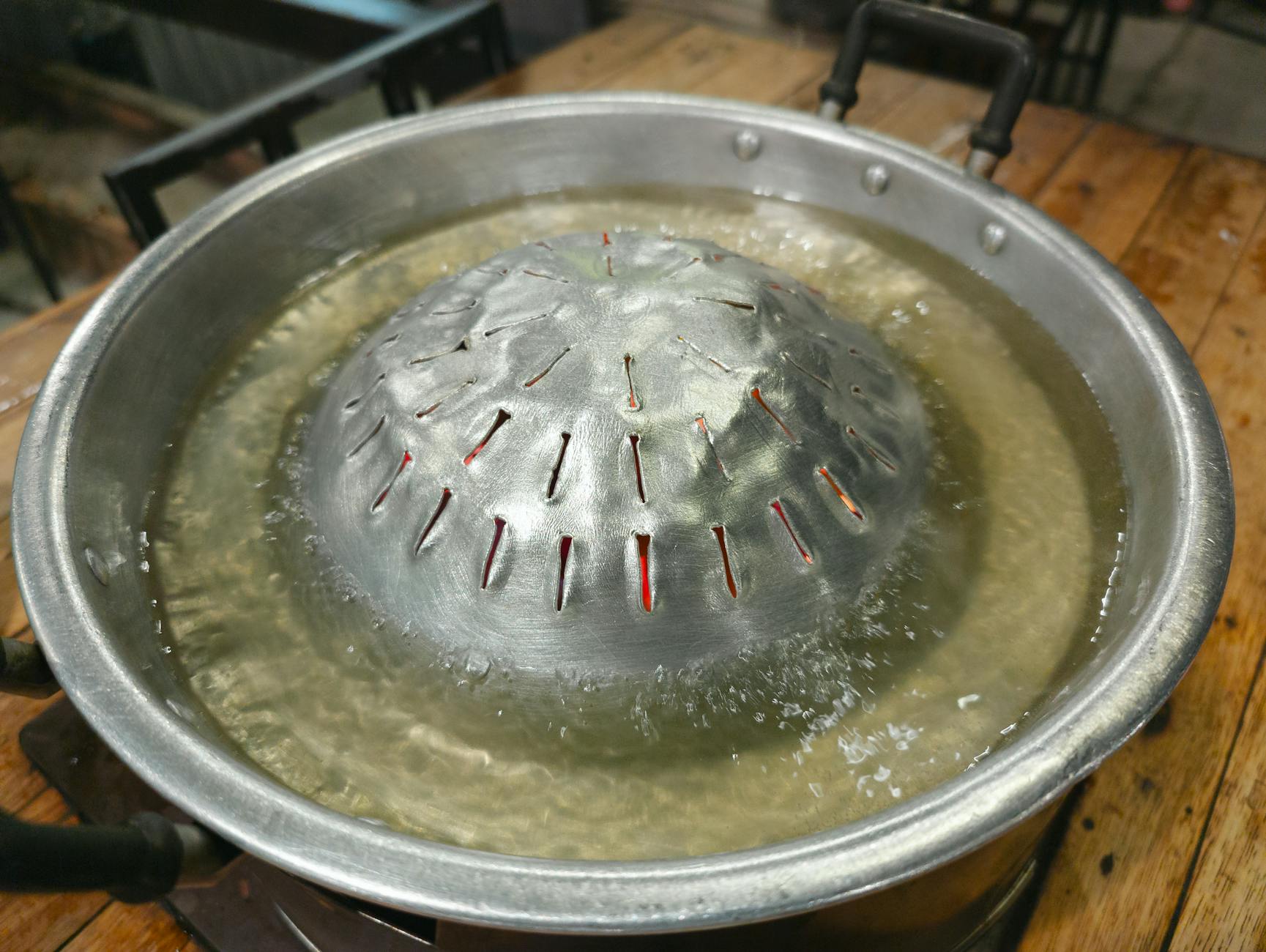
Discover practical methods to prevent liquid from boiling over in your microwave, from wooden chopstick techniques to container selection, while reducing cleanup time and energy waste.