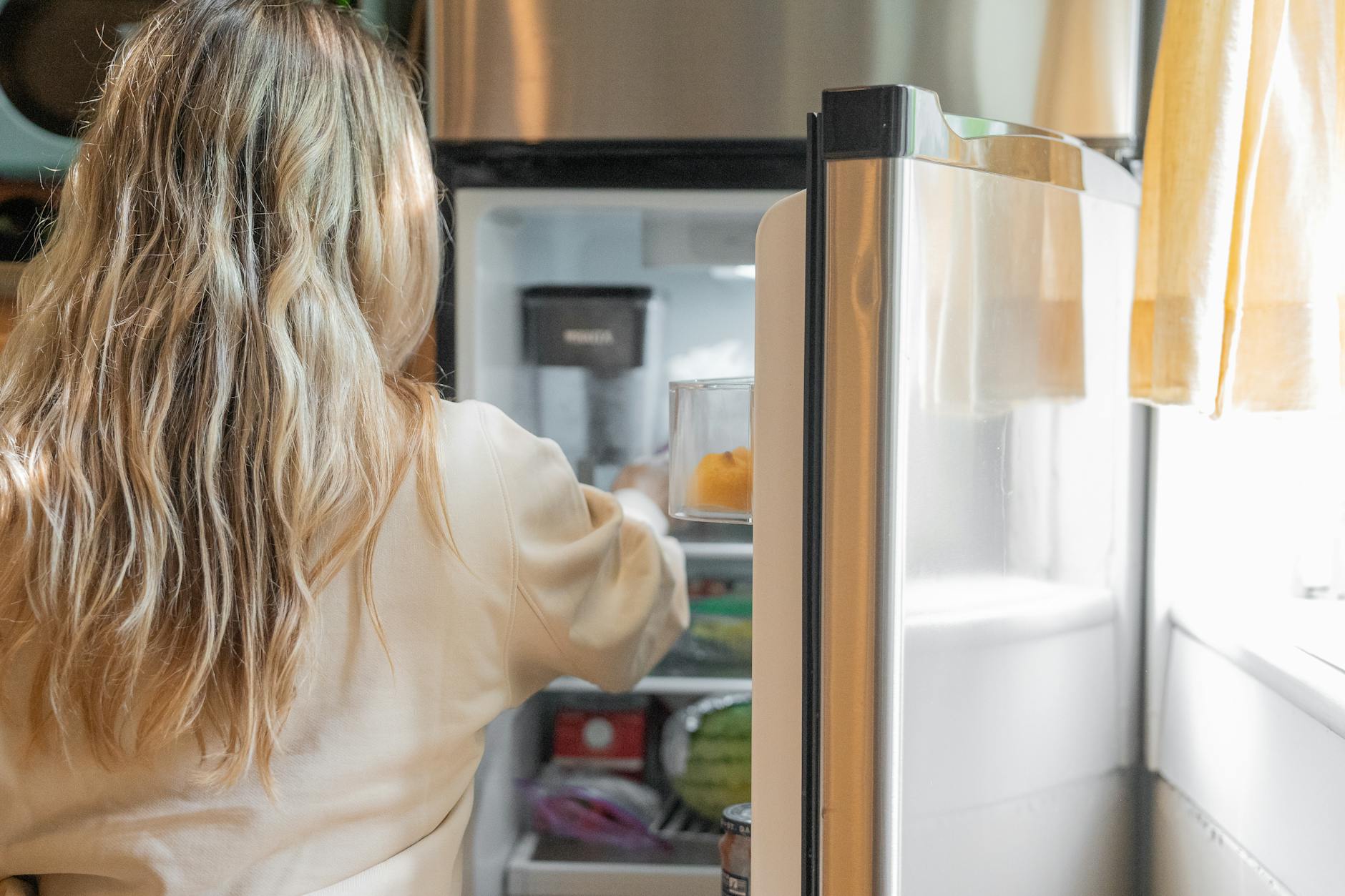
Opening your refrigerator should reveal a calibrated system, not a chaotic jumble. A fridge stocking system for efficiency transforms this essential appliance from a mere cooling box into an organized inventory that extends food longevity and reduces waste. By assigning specific zones based on temperature consistency and airflow patterns, you create an environment where produce remains crisp, proteins stay safe, and energy consumption drops. The methodology requires no specialized equipment—only a reassessment of how you arrange the space you already own.
⚡ In a Rush? Key Takeaways
- Improper storage wastes £60-£90 monthly in spoiled produce and leftovers.
- Efficient stocking reduces energy waste by £25-£40 annually.
- Door temperatures fluctuate 5-7 degrees, affecting egg freshness.
- ✅ Implement a fridge stocking system for optimal efficiency.
The benefits extend beyond aesthetics. When every item occupies designated real estate, you eliminate the excavation process that keeps doors open and temperatures unstable. You gain visibility into available ingredients, preventing duplicate purchases that strain your grocery budget. Most significantly, you reduce the volume of spoiled produce that enters your waste stream, which carries both environmental and financial costs.
What is a fridge stocking system for efficiency?
It is a zone-based organization method that stores foods at their ideal temperature and humidity, reducing spoilage by up to 30% and cutting energy waste from door-gazing.
Most households treat refrigeration as a passive storage unit rather than an active preservation system. Without intentional organization, temperature-sensitive items migrate to inappropriate zones, ethylene-producing fruits accelerate vegetable spoilage, and forgotten leftovers colonize the back shelf until they require disposal. A fridge stocking system for efficiency addresses these failures through deliberate placement based on thermal physics and visibility principles.
The approach recognizes that your refrigerator contains microclimates. The door experiences temperature swings of up to ten degrees during daily openings. The upper shelves maintain moderate cold suitable for cured items, while the lower shelves sit closest to the cooling element, keeping proteins at safer temperatures. Crisper drawers trap humidity through sealed gaskets, creating environments that extend leafy green longevity by days or weeks.
Implementing this system requires initial categorization of your typical groceries by ideal storage conditions. Dairy demands consistent temperatures away from the door fluctuations. Raw meats require the coldest zones to prevent bacterial proliferation. Produce needs breathable containment that regulates moisture without trapping ethylene gas. By assigning specific real estate to each category and maintaining that order through weekly resets, you establish kitchen workflow planning that minimizes thermal loss.
How much money does disorganization actually waste?
| Option | Key stat | Best for |
|---|---|---|
| Proper organization | Saves £60-£90 monthly | All households |
| Improper storage | Wastes £60-£90 monthly | Disorganized households |
Research from food waste advocacy organizations indicates that improper storage accounts for approximately 30% of household food waste. When vegetables disappear into opaque drawers or leftovers migrate behind tall containers, they remain invisible until they exceed safe consumption windows. The financial impact accumulates quietly—softened celery here, moldy yogurt there—until it represents a significant portion of your monthly grocery expenditure.
Beyond the direct cost of discarded food, disorganization creates secondary expenses. Duplicate purchases occur when you cannot locate the pre-existing jar of olives or block of cheddar. Emergency takeout meals happen when the planned ingredients have spoiled because they sat too close to the freezer vent or too far from proper humidity. These reactive solutions cost significantly more than the preventive organization that would have preserved the original ingredients.
Energy waste compounds the financial drain. A cluttered refrigerator forces the compressor to work harder as cold air cannot circulate efficiently. When you hold the door open for ninety seconds while searching for the soy sauce, the temperature rises sufficiently to trigger cooling cycles that consume excess electricity. Over a year, these incremental inefficiencies add approximately £25-£40 to your utility bills.
Which refrigerator zones maintain optimal freshness?
- Upper shelves: 40°F, ready-to-eat foods
- Lower shelves: 32-36°F, raw proteins
- Crisper drawers: 85-95% humidity, ethylene-sensitive produce
Understanding your refrigerator’s thermal architecture allows you to match foods with their ideal environments. The upper shelves experience the most consistent temperatures because warm air rises and cold air settles. These areas maintain approximately 40°F, making them appropriate for leftovers, drinks, and ready-to-eat items that do not require extreme cold for safety.
The lower shelves sit closest to the cooling element, often maintaining temperatures between 32°F and 36°F. This zone provides the safety margin necessary for raw fish, poultry, and ground meats that present higher bacterial risks. Keeping these proteins on lower shelves also prevents dangerous drips onto produce or prepared foods below.
Crisper drawers function through specialized seals that trap humidity while allowing slight air exchange. High-humidity drawers, typically marked with vegetable icons, maintain 85-95% humidity levels that prevent wilting in leafy greens. Low-humidity drawers suit fruits that emit ethylene gas, which accelerates ripening. Separating these categories prevents premature spoilage in mixed storage situations.
Why should eggs move from the door to the middle shelf?
Door temperatures fluctuate 5-7 degrees with each opening, while the middle shelf maintains consistent 38-40°F, extending egg freshness by two weeks.
Despite the convenient molded compartments in most refrigerator doors, eggs belong in interior zones. The door experiences the most dramatic temperature volatility because it absorbs ambient warmth whenever someone retrieves the milk or condiments. These fluctuations compromise the protective cuticle of eggs, accelerating moisture loss and bacterial penetration.
Storing eggs in their original cartons on middle shelves protects them from both temperature swings and odor absorption. The carton blocks porous eggshells from absorbing garlic, onions, or strong cheeses that might permeate the refrigerator atmosphere. This simple relocation preserves the firmness of whites and yolks for an additional ten to fourteen days compared to door storage.
Does the deli drawer justify its existence?
Yes, it maintains slightly higher humidity than standard shelves and sits at 32-34°F, making it ideal for cured meats and cheese storage.
The specialized drawer typically positioned above the crispers serves a distinct purpose often overlooked in standard organization schemes. Deli drawers maintain temperatures slightly colder than upper shelves but warmer than the bottom zones, creating optimal conditions for charcuterie and aged cheeses that suffer in extreme cold or dry air.
Unlike standard shelves where air circulates freely, deli drawers trap just enough moisture to prevent cheese from drying and cracking without allowing condensation that promotes mold. The slightly restricted airflow also protects cured meats from developing the surface slime that indicates bacterial growth. If your refrigerator lacks this feature, you can simulate the conditions using a dedicated sealed container with a small damp cloth placed away from direct ventilation.
How do you implement a first-in, first-out rotation system?
- Label containers with purchase dates
- Place newer items behind older ones during restocking
- Designate a dedicated “eat first” shelf
Commercial kitchens operate on FIFO principles—First In, First Out—to minimize waste and ensure safety. Home refrigerators benefit equally from this discipline. The system requires only that you consume older items before newer ones, preventing the burial of perishables that leads to discovery of science experiments months later.
Practical implementation begins with date labeling. When you return from shopping, apply masking tape and permanent marker to containers noting the purchase date. During restocking, move existing inventory forward and place new acquisitions behind them. This rotation ensures that the half-empty jar of mustard gets used before the unopened twin purchased during a sale.
The “eat first” shelf provides visual accountability for leftovers and items approaching expiration. Designate a specific eye-level shelf or bin for these priority items. When family members open the refrigerator searching for snacks, they encounter the leftover roasted vegetables or approaching-deadline yogurt before they reach for fresh alternatives. This simple behavioral nudge reduces waste by approximately 20% in most households.
Can proper stocking reduce refrigerator energy consumption?
📊 Efficiency Verdict
A well-stocked fridge maintains thermal mass, requiring 10-15% less compressor cycling than an empty one, saving approximately £25-£40 annually on electricity.
Energy efficiency in refrigeration relies partially on thermal mass—the ability of contained items to hold temperature and resist fluctuations. An overstocked refrigerator restricts airflow and forces overwork, but an understocked one allows rapid temperature drops every time the door opens. The ideal appliance energy consumption occurs when shelves hold sufficient contents to stabilize temperatures without blocking vents.
Strategic stocking also minimizes door-open duration. When you know exactly which shelf holds the butter and which bin contains the carrots, you reduce the time spent searching with the door ajar. Each reduction of thirty seconds in door-open time saves approximately 0.5-1.0 kilowatt-hours monthly depending on your ambient kitchen temperature.
Allowing hot foods to cool before placing them in the refrigerator also reduces energy strain. While modern refrigerators can handle warm items, introducing significant heat forces the compressor to trigger immediately and run longer. Letting roasted vegetables or soups reach room temperature on the counter (for no longer than two hours for safety) before refrigerating prevents these energy spikes.
What organizational tools justify the expense?
- Clear acrylic bins with handles
- Glass storage containers with silicone seals
- Magnetic inventory whiteboards
While a stocking system requires no specialized equipment, certain investments improve adherence and longevity. Clear acrylic bins with handles allow you to pull out entire categories—snack cheeses, condiment jars, juice boxes—without disturbing surrounding items. The visibility prevents the hidden spoilage that occurs in opaque cardboard or plastic bags.
Glass storage containers with silicone seals outperform plastic for both visibility and preservation. The transparency allows you to identify leftover contents without lifting lids, while the airtight seals prevent odor transfer and moisture loss. Unlike disposable wrap or foil, these containers pay for themselves within months through reduced waste and replacement costs.
Magnetic whiteboards attached to the refrigerator door enable inventory tracking without opening the appliance. When you finish the last pickle or use the final yogurt, you note it immediately rather than discovering the absence during meal preparation. This airtight storage awareness prevents the emergency grocery run