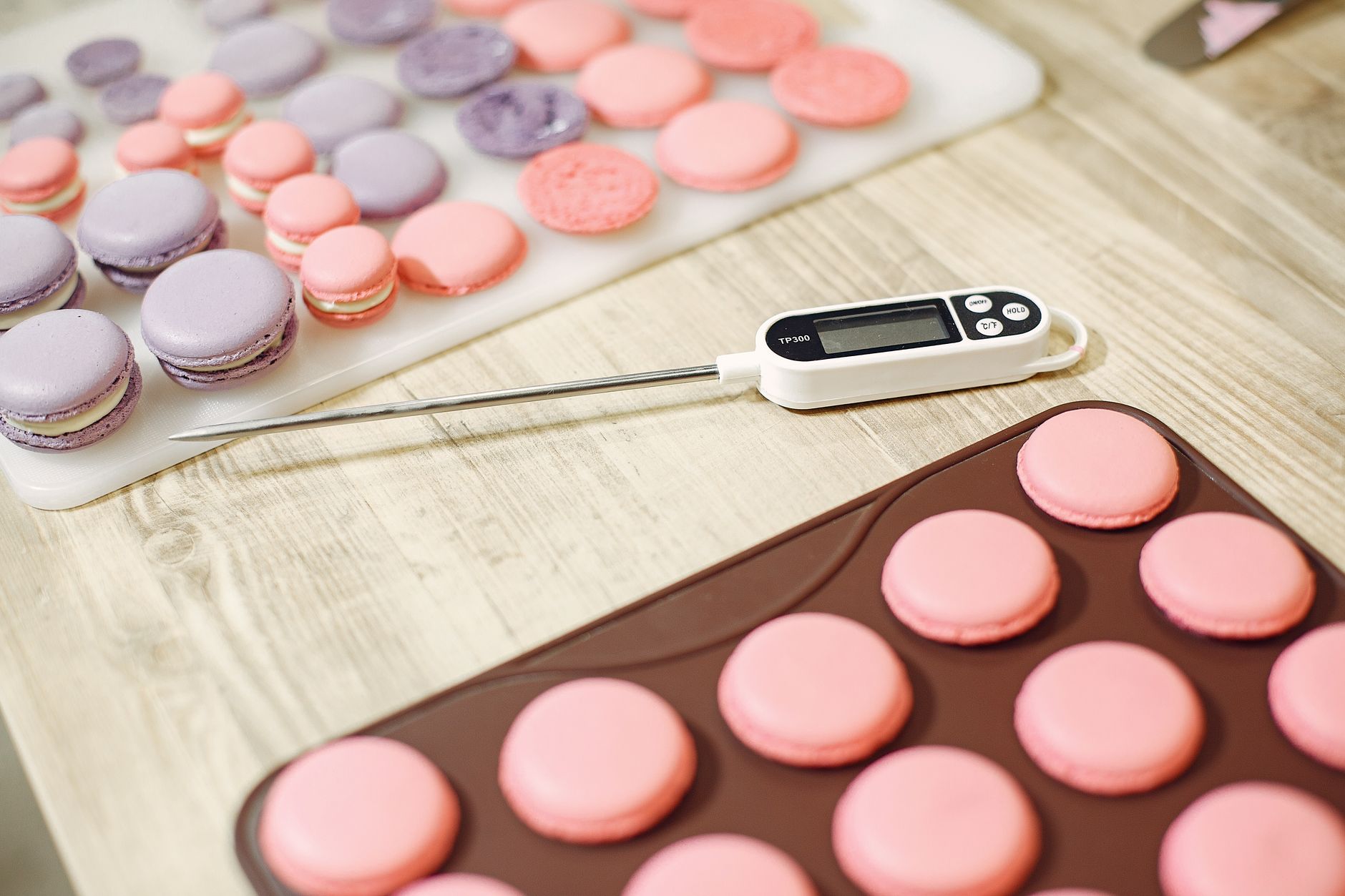
Finding a reliable food thermometer is a small step that makes a big difference in kitchen safety and cost.
Below, I break down every factor that matters, from sensor type to calibration, so you can buy with confidence.
⚡ In a Rush? Key Takeaways
- Instant‑read probes register a temperature within 2–4 °F, meeting USDA accuracy standards.
- Fiber‑optic probes are the only type that work reliably in ovens and smokers without metal‑induced interference.
- Thermometers with a 0‑210 °F range cover most cooking tasks; above that, a dedicated candy‑thermometer is needed.
- Calibration kits cost $15‑$30 and can restore accuracy within ±1 °F, extending the device’s useful life.
- ✅ Verdict: Choose a dual‑probe instant‑read model with a clear LCD, then add a calibration kit for long‑term precision.
How Do Different Thermometer Types Work and Which Is Best for Home Cooking?
Thermometers use a metal probe (thermocouple or thermistor) or fiber‑optic cable to sense temperature, each with distinct speed and accuracy.
There are three primary families: instant‑read (thermocouple/thermistor), dial (bimetal), and fiber‑optic (light‑based). Understanding how they convert heat into an electrical signal helps you match a device to your cooking style.
What are the speed and accuracy differences between thermocouple and thermistor probes?
Thermocouples read 0‑210 °F in 2‑3 seconds with ±2 °F accuracy; thermistors take 4‑6 seconds but stay within ±1 °F.
Thermocouples are built from two dissimilar metals joined at the tip; the voltage generated varies with temperature. This makes them exceptionally fast, ideal for searing meat or checking grill zones.
Thermistors use a semiconductor that changes resistance with heat. The slower response is offset by tighter tolerance, perfect for low‑and‑slow cooking where precision matters more than speed.
- Fast response (2‑3 s) – best for high‑heat finishes.
- Higher precision (±1 °F) – best for sous‑vide or candy.
- Both operate without batteries for the probe itself; the display unit supplies power.
Can a dial (bimetal) thermometer compete with digital models?
Dial thermometers use a bimetal coil that expands with heat, offering 5‑10 °F accuracy and a 30‑second response.
While durable and battery‑free, dial models lag behind digital units in both speed and precision. They are still useful for oven temperature checks where a few degrees variation is acceptable.
Because they lack electronic components, dial thermometers never need calibration, but their limited range (usually 0‑250 °F) restricts them to meat and baked goods.
| Feature | Dial | Thermocouple | Thermistor |
|---|---|---|---|
| Response Time | 30 s | 2‑3 s | 4‑6 s |
| Accuracy | ±5 °F | ±2 °F | ±1 °F |
| Battery Needed | No | Yes (display) | Yes (display) |
| Typical Cost | $15‑$30 | $40‑$120 | $35‑$100 |
Why are fiber‑optic probes necessary for oven and smoker use?
Fiber‑optic probes transmit light, avoiding metal interference, and can operate safely up to 500 °F.
Metal probes can cause inaccurate readings inside the moist, metallic environment of a smoker because the metal itself conducts heat differently than the food. Fiber‑optic sensors use a glass cable that relays temperature data via light, eliminating this bias.
The trade‑off is cost: fiber‑optic kits start around $150, but the precision they provide for low‑and‑slow cooking can offset the investment through better food safety and reduced waste.
- Works in ovens, smokers, and grills up to 500 °F.
- Immune to metal‑induced reading errors.
- Higher upfront cost but longer lifespan.
How Important Is Accuracy, and How Can I Verify It?
USDA requires food thermometers to be accurate within ±2‑4 °F; proper calibration keeps them in that range.
Accuracy directly impacts food safety. An under‑read by just 5 °F can leave poultry in the danger zone (40‑140 °F) for longer, increasing bacterial growth risk.
What simple method can I use at home to test thermometer accuracy?
Place the probe in ice water (32 °F) and boiling water (212 °F) to see if readings fall within ±2 °F.
This two‑point test uses readily available reference temperatures. If the thermometer reads 30‑34 °F in ice water and 210‑214 °F in boiling water, it meets USDA standards.
Most devices include a built‑in calibration button; if they deviate, follow the manufacturer’s instructions or use a calibration offset feature.
- Fill a glass with ice and water, stir, and insert the probe.
- Record the reading; it should be 32 °F ± 2 °F.
- Repeat with a pot of rolling boil (cover to avoid evaporation loss).
How does a calibration kit improve long‑term accuracy?
Calibration kits provide a reference block and screw‑adjustable knob to correct ±1 °F drift.
Temperatures drift over time due to sensor aging and mechanical shock. A $20 calibration kit lets you fine‑tune the sensor without sending it back to the manufacturer.
Use the kit every six months, or whenever you suspect a read is off. The adjustment process involves placing the probe against the reference block and rotating the screw until the display matches the known temperature.
- Cost: $15‑$30 for a basic kit.
- Adjustment range: typically ±5 °F.
- Time: 5‑10 minutes per calibration.
Do digital displays affect reading precision?
LCD screens with 0.1 °F resolution display more precise numbers, but sensor accuracy still limits true precision.
A high‑resolution display can give a false sense of accuracy. The sensor’s inherent tolerance (+‑2 °F) remains the limiting factor, so a reading of 139.8 °F is effectively 140 °F ±2 °F.
When comparing models, prioritize sensor type and calibration options over screen resolution.
What Features Should I Prioritize When Buying a Food Thermometer?
Key features include probe type, read‑time, range, waterproof rating, and easy calibration.
Beyond accuracy, convenience features can affect how often you actually use the thermometer, which in turn influences safety and waste reduction.
Which probe length and design best fits home kitchens?
A 4‑6 inch stainless probe fits most roasts, poultry, and grills without bending.
Longer probes (8‑12 in) are useful for deep turkey or large pork loins, but they add cost and storage bulk. A heat‑resistant silicone grip helps pull the probe out of hot foods safely.
Flat‑head designs sit flush on thin cuts like fish fillets, providing more accurate surface readings.
- 4‑6 in stainless – versatile, budget‑friendly.
- 8‑12 in for large roasts – optional.
- Silicone grip – improves safety.
How important is a waterproof rating for everyday use?
IPX7 waterproof rating ensures the device survives submersion up to 1 m for 30 minutes, ideal for cleaning.
Thermometers that aren’t fully sealed can corrode at the probe tip, especially after frequent exposure to marinades and juices.
Look for IPX7 or higher; it also means you can wash the entire unit under the tap without worrying about damage.
Should I invest in a Bluetooth‑enabled thermometer?
Bluetooth models send alerts to phones, but they add $20‑$40 to price and rely on battery life.
For most home cooks, a simple audible beep when target temperature is reached is sufficient. Bluetooth is useful if you frequently monitor large roasts while doing other tasks, but the added cost may not justify the benefit.
What is the best temperature range for a versatile kitchen thermometer?
A 0‑210 °F range covers meat, fish, eggs, and most baking; above that you need a separate candy or deep‑fry probe.
Thermometers that stop at 200 °F cannot verify oil temperatures for frying (typically 350‑375 °F). If you fry occasionally, consider a dual‑probe set: one for low‑temp cooking, another for high‑temp tasks.
| Use Case | Recommended Range | Typical Model |
|---|---|---|
| Meat & poultry | 120‑210 °F | Instant‑read thermocouple |
| Eggs & fish | 120‑160 °F | Thermistor probe |
| Frying / candy | 300‑400 °F | Candy‑thermometer |
| Smoking | 180‑250 °F | Fiber‑optic probe |
How Can I Save Money While Getting a Reliable Thermometer?
Purchasing during sales, choosing dual‑probe kits, and using a calibration kit extend value and cut long‑term costs.
Thermometers are a one‑time purchase, but selecting the right features prevents re‑buying and reduces food waste.
When is the best time to buy a food thermometer?
Major sales events like Black Friday, Cyber Monday, and Prime Day often discount premium models by 20‑30%.
Retailers also run “back‑to‑school” promos in August, targeting kitchen gadgets for students moving into apartments.
Sign up for price‑track alerts on Amazon or specialty kitchen sites to catch price drops.
Is a dual‑probe kit more cost‑effective than buying separate units?
Dual‑probe kits usually cost $10‑$20 less than two single‑probe devices of comparable quality.
Having a dedicated low‑temp probe for eggs and a high‑temp probe for roasts eliminates the need to switch tips, saving time and reducing wear on the sensor.
Many reputable brands bundle a calibration offset feature and a carrying case, adding value.
How does proper maintenance reduce replacement costs?
Cleaning the probe after each use and calibrating quarterly extends lifespan by up to 3 years.
Corrosion from acidic marinades can degrade the probe tip, but an IPX7 rating and a quick rinse under running water prevent buildup.
Store the thermometer in a dry drawer or on a magnetic strip to avoid accidental drops.
FAQ
What temperature range does the USDA require for food safety?
USDA mandates cooking poultry to 165 °F, ground meats to 160 °F, and steaks to at least 145 °F with a three‑minute rest.
Can I use a meat thermometer for candy making?
Most meat thermometers stop at 210 °F, below the 240‑350 °F range needed for candy; a dedicated candy thermometer is recommended.
How often should I calibrate my thermometer?
Calibrate every six months, or sooner if the device is dropped or shows inconsistent readings.
Do infrared thermometers work for checking internal food temperature?
Infrared devices measure surface temperature only; they cannot reliably assess internal doneness of meat.
Is a Bluetooth thermometer safe to use near a furnace?
Bluetooth operates on low‑power 2.4 GHz; it does not interfere with furnace electronics but keep the probe away from direct heat.
Conclusion
Choose a dual‑probe instant‑read model with a clear LCD, waterproof rating, and easy calibration to balance speed, accuracy, and cost.
By testing accuracy with the ice‑water method, calibrating quarterly, and buying during major sales, you’ll protect your meals, your wallet, and the environment. A well‑chosen food thermometer turns guesswork into precision, ensuring every dish is safely cooked and perfectly done.