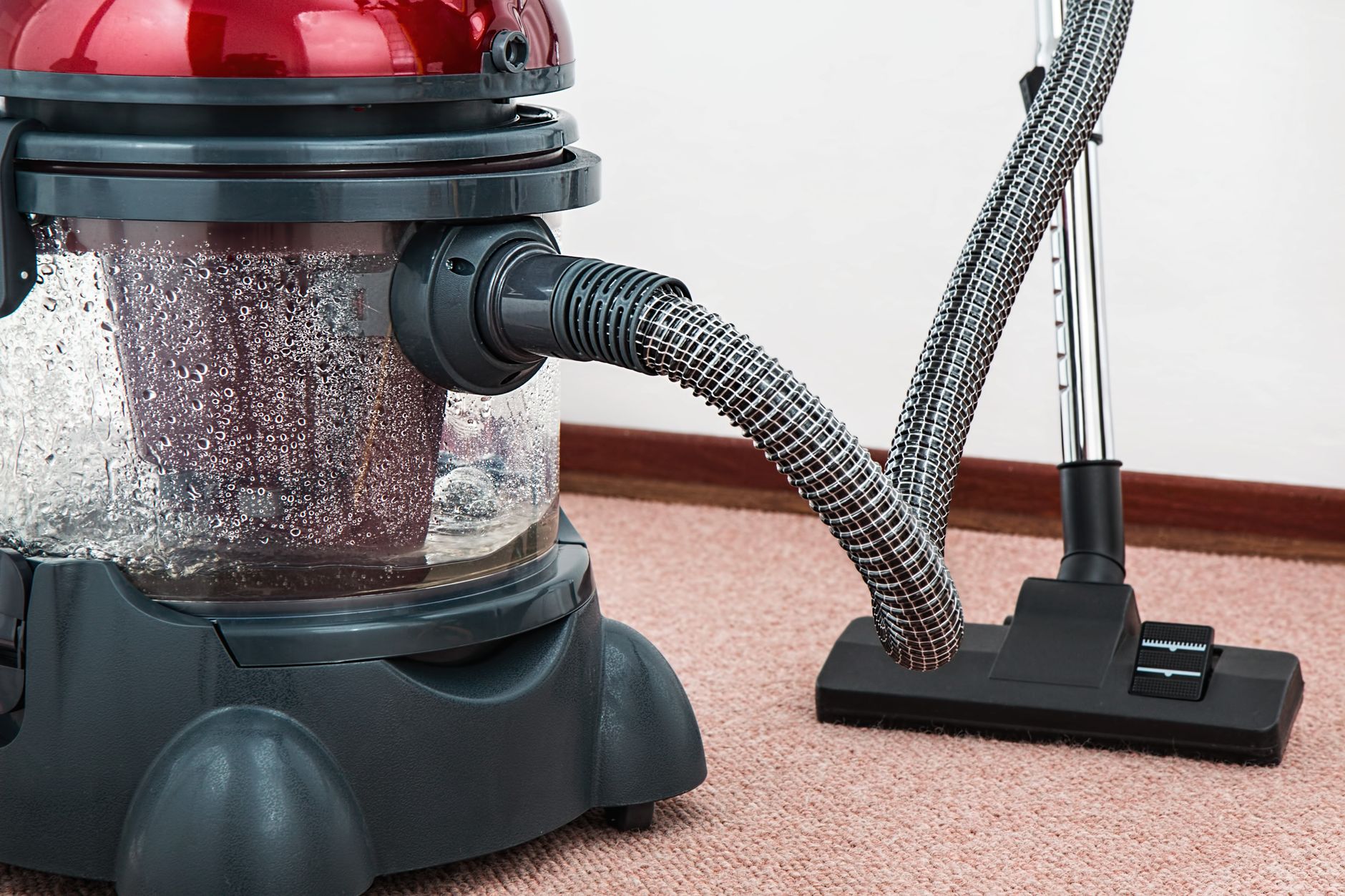
A vacuum cleaner is an essential home appliance defined by its ability to maintain floor hygiene through airflow and filtration efficiency. Selecting the right model for your space requires balancing suction power against the specific physical demands of your floor surfaces and your household’s maintenance routine.
⚡ In a Rush? Key Takeaways
- Cordless models offer 30–60 minutes of runtime on a single charge.
- HEPA filtration removes 99.97% of dust particles for better air quality.
- Bagged models cost $20–40 annually in replacement supplies.
- Choosing the correct head type improves carpet longevity by 15-20%.
- The best vacuum for most homes remains a high-performance canister unit.
What Type of Vacuum Cleaner Fits Your Home?
Choosing between canister, upright, and cordless stick models depends on your square footage, floor types, and your storage space limitations.
Why choose an upright vacuum for large carpets?
Upright vacuums provide deep cleaning power for wall-to-wall carpeting by using motorized brush rolls to agitate deep carpet fibers.
These units are designed for heavy-duty work. If your home has significant areas of carpeting, the weight of an upright machine is usually an asset rather than a drawback, as it pushes the brushes deeper into the pile.
- Stronger motor efficiency for thick carpets
- Integrated hoses for easier upholstery cleaning
- Higher dust capacity than stick models
How do canister vacuums provide better versatility?
Canister vacuums offer superior reach under furniture and provide better handling for stairs due to their separate floor head design.
Because the motor unit stays on the ground, the floor head is lighter, making it easier to maneuver. This is the preferred design for homes with mixed flooring types including hardwood and tile.
- Excellent maneuverability in tight corners
- Longer hose reach for high-up dusting
- Quieter operation than most upright models
Are cordless stick vacuums worth the convenience?
Cordless stick vacuums are ideal for quick daily maintenance in small apartments or as a secondary vacuum for high-traffic areas.
While they excel at convenience, their battery life is the primary constraint. For a deeper look at how these compare to corded options, see our appliance buying intelligence hub for current performance data.
- Extremely low storage footprint
- No cable management required
- Ideal for quick spot-cleaning tasks
How Do Filtration and Maintenance Impact Your Costs?
Long-term ownership costs depend heavily on your choice between bagged and bagless designs and the quality of the onboard filtration system.
What is the difference between bagged and bagless?
Bagged vacuums contain allergens more effectively during disposal, whereas bagless models eliminate recurring costs for disposable bags.
Bagged systems are generally the gold standard for allergy sufferers. The dust stays trapped until you dispose of the entire bag, preventing a cloud of particles from returning to your air.
| Feature | Bagged | Bagless |
|---|---|---|
| Maintenance | Periodic bag changes | Frequent filter cleaning |
| Cost | Ongoing bag purchases | Zero bag costs |
| Hygiene | Very high | Moderate |
Does your vacuum need a true HEPA filter?
A true HEPA filter captures 99.97% of particles as small as 0.3 microns, which is essential for homes with pets or allergy sufferers.
Many brands label filters as “HEPA-style” but these often fall short of the true medical-grade standard. Always look for the certification on the packaging to ensure the filtration system is actually sealed.
- Reduces airborne dust during operation
- Maintains motor health by preventing intake clogs
- Critical for managing indoor air quality
How Should You Evaluate Vacuum Performance?
Evaluating performance requires checking suction power ratings in air watts rather than relying solely on the advertised motor wattage.
Why does air watt rating matter more than motor size?
Air watts measure the actual suction power at the head, providing a clearer picture of cleaning performance than total motor power.
Higher motor wattage does not guarantee better suction. Efficiency is the key to a better home, which we explore further in our guide on home energy efficiency standards for major appliances.
What brush roll features do you actually need?
Motorized brush rolls are necessary for carpet agitation, but look for “tangle-free” designs to reduce hair wrapping around the rollers.
If you have pets, check if the brush roll is easily removable. This prevents hair from burning out the motor, which is a common cause of premature appliance failure.
What Are the Most Frequently Asked Questions?
-
How long should a quality vacuum cleaner last?
A well-maintained quality vacuum cleaner typically lasts between 7 and 10 years with standard residential usage and filter upkeep.
-
Is it cheaper to repair or replace a vacuum?
If the motor fails, replacement is usually necessary, but minor issues like broken belts or clogged hoses are cheap and easy to fix.
-
How often should you replace your vacuum filters?
Washable filters should be cleaned every 3 months, while non-washable HEPA filters typically require a full replacement annually.
Homeowners often ask about the lifespan of their machines and how to properly maintain them for the best possible performance.
For further advice on managing home systems, refer to our home organisation and cleaning systems guide to keep your equipment in top condition.
Final Verdict on Vacuum Selection
Choose a bagged canister vacuum for large homes with mixed flooring, or a high-quality cordless stick for daily maintenance in small spaces.
Your floor types dictate the tool. For deep-pile carpets, prioritize motorized agitation; for hardwood, focus on gentle brushes and strong airflow. Maintaining your filters and clearing brush roll tangles will extend the life of any model you choose.