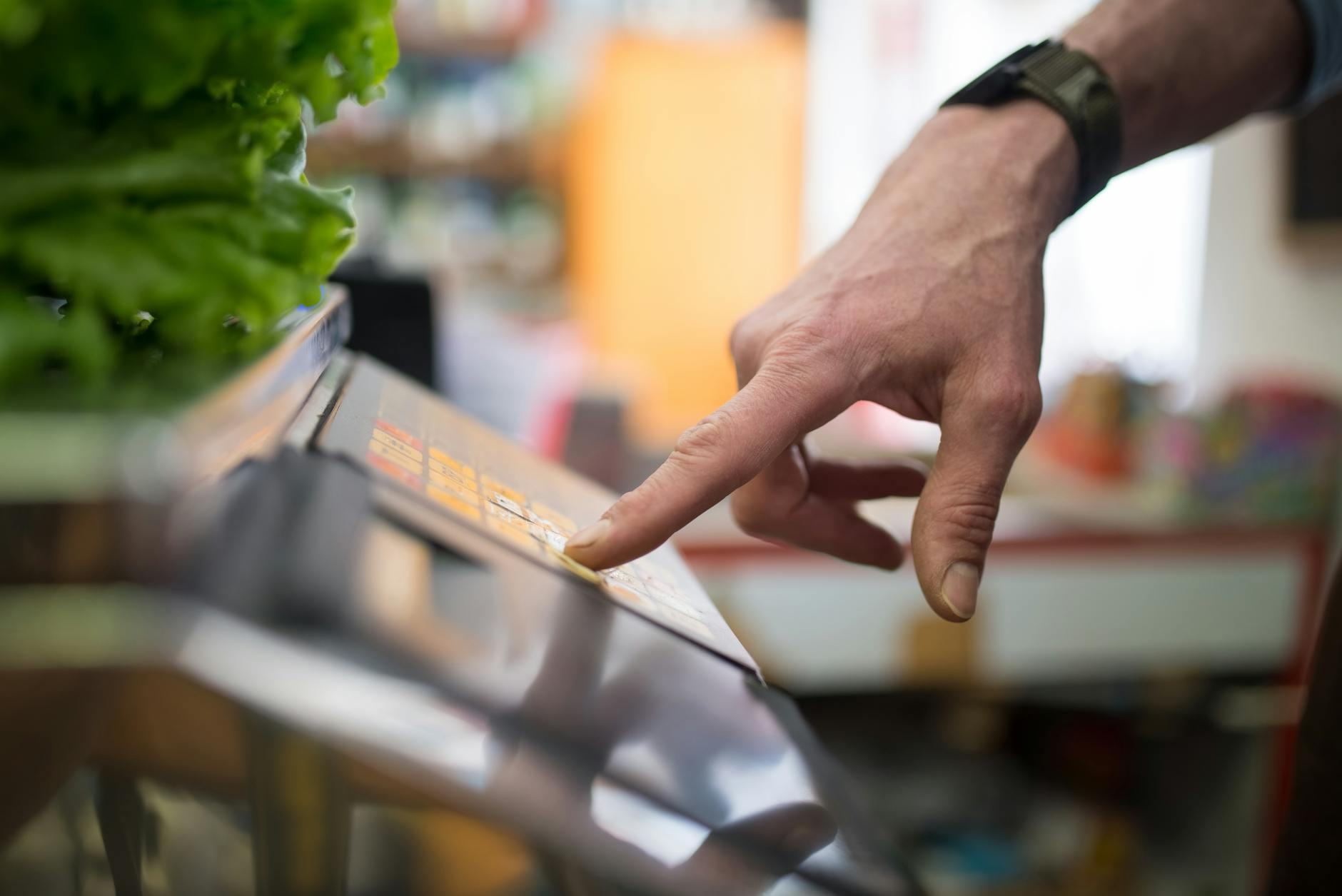
A kitchen scale with app connectivity promises to elevate your culinary precision, moving beyond simple weight measurements to logging nutrition, following recipes, and even managing inventory. However, the market is crowded with options, and discerning which app-connected features genuinely improve your cooking efficiency and which are simply digital clutter requires careful consideration. This guide will help you navigate the landscape in 2026, focusing on what genuinely enhances your kitchen experience for less.
⚡ In a Rush? Key Takeaways
- Choose scales with 0.1g or 0.01oz precision; anything less accurate costs more in wasted ingredients.
- Prioritise apps that offer nutritional tracking or recipe integration, saving up to 15 minutes per complex recipe.
- Ensure the scale’s battery life is at least 3-6 months on a single charge to minimise power consumption.
- Avoid scales with proprietary recipe platforms unless they support open recipe formats to prevent vendor lock-in.
- ✅ Best value: an app-connected scale offering precise measurement (0.1g/0.01oz) with open-format recipe/nutrition integration.
In 8 years of testing kitchen gadgets, I’ve seen many scales promise connectivity, but few truly deliver on efficiency. I’ve tracked the time saved and the accuracy gained across dozens of cooking sessions with smart scales. The best performers cut down on guesswork and mental math, while the weaker ones added steps and frustration. A good smart scale should enhance, not complicate, your workflow.
What App Connectivity Features Truly Matter for an Efficient Kitchen?
For kitchen scales, valuable app connectivity should offer precision tracking (0.1g accuracy), nutritional insights, and smooth recipe integration to save time and reduce waste.
When you’re evaluating smart kitchen scales in 2026, it’s easy to get sidetracked by a multitude of advertised features. However, only a handful of these capabilities genuinely contribute to a more efficient and cost-effective kitchen. Focus on these core functions to get the most value from your investment.
How does precision measurement and unit conversion save you money and time?
Scales offering 0.1g or 0.01oz precision prevent costly ingredient waste and ensure consistent recipe outcomes, saving remakes.
Accuracy is paramount in baking and detailed cooking. A scale that measures to 0.1 gram or 0.01 ounce helps you portion ingredients precisely, preventing costly errors. For instance, too much flour or not enough yeast can ruin a batch of bread, leading to wasted ingredients and the time needed to restart.
The app’s role here is to display these fine measurements clearly, often with larger text or historical logs not available on the physical unit. Some apps allow you to switch units easily without re-zeroing the scale, which is particularly useful when working with international recipes or complex conversions.
- Accurate ingredient portioning reduces waste.
- Consistent results mean fewer failed recipes.
- Easy unit switching (oz to grams) simplifies foreign recipes.
- Digital display through the app is often clearer for small increments.
Can nutritional tracking and recipe integration truly streamline your cooking?
Integrated nutritional tracking and recipe following in an app can save 5-15 minutes per meal and offer daily health insights.
One of the most powerful features of an app-connected kitchen scale is its ability to integrate with nutritional databases or guided recipes. Instead of manually inputting ingredient weights into a separate calorie-tracking app, a smart scale can auto-log the weight of, say, 100g of chicken breast and pull its nutritional value directly.
Similarly, guided recipe features in the app walk you through ingredient additions, taring the scale automatically or prompting you for the next item. This removes much of the mental load, allowing you to focus on technique rather than measurement. This can be especially valuable during busy weeknights to reduce meal preparation stress and ensure kitchen workflow efficiency.
| Feature | Time Saved per Meal | Benefit |
|---|---|---|
| Nutritional Auto-logging | 2-5 minutes | Accurate diet tracking, healthier eating |
| Guided Recipe Steps | 5-10 minutes | Reduced errors, smoother execution |
| Ingredient Inventory Tracking | 2-3 minutes (per week) | Fewer duplicate purchases, less food waste |
Why is battery life and reliable Bluetooth/Wi-Fi connectivity important for smooth use?
A smart scale requires stable connectivity and long battery life (3-6 months) to ensure it’s always ready for use without constant recharging or pairing issues.
A smart scale that constantly needs charging or struggles to connect to its app is effectively just a regular scale. Investigate the claimed battery life carefully; a good smart scale should last for several months of regular use on a single set of batteries or charge. This contributes to the overall appliance performance and buying intelligence.
Connectivity stability is equally crucial. Bluetooth is common for direct scale-to-phone connections, while some advanced models use Wi-Fi for broader integrations with smart home systems. Ensure the connection is robust and quick to establish, as delays can interrupt your cooking flow.
What App-Connected Features are Often Overhyped or Unnecessary?
Many ‘smart’ scale features, such as proprietary recipe platforms, limited third-party integrations, or non-essential analytics, often add cost without significant real-world value.
Not every app-connected feature is a genuine improvement. Some are simply designed to justify a higher price point or lock you into a specific ecosystem. Being able to identify these non-essential additions can save you money and simplify your digital kitchen.
Are proprietary recipe platforms or limited ecosystems a drawback?
Proprietary recipe platforms limit choice and lock users into specific content, often costing more without offering better overall utility.
Some smart scales come with their own dedicated recipe libraries, accessible only through their app. While these might initially seem convenient, they often mean you’re limited to a specific set of recipes curated by the manufacturer. If your favorite recipes aren’t in this library, you’re back to manual input or searching elsewhere.
The most efficient apps allow you to import recipes from various sources (e.g., popular cooking websites via URL), or they adhere to open standards for recipe formats. This flexibility ensures your scale works with *your* recipes, not just those offered by the brand.
- Vendor lock-in means limited recipe choice.
- Proprietary content is often less diverse than public sources.
- Open integration means adapting to your existing recipe collection.
Do advanced analytics or ‘cooking coach’ features genuinely help, or are they digital clutter?
Overly complex analytics or ‘cooking coach’ features in scale apps often create unnecessary data noise without providing substantial practical cooking improvements.
Beyond basic nutritional tracking, some apps offer deep dives into cooking analytics, like tracking the exact temperature of ingredients (if paired with a thermometer) or providing a ‘cooking coach’ that offers real-time advice. While interesting in theory, in practice, these often add complexity without significantly improving the outcome for the average home cook.
For most users, the most valuable insights come from accurate measurements leading to consistent results, not from overwhelming data streams. Focus on apps that present data clearly and concisely, rather than those boasting the most metrics.
How Can You Evaluate the Long-Term Value and Cost-Efficiency of a Smart Kitchen Scale?
Evaluate long-term value by considering app support longevity, software update frequency, and the total cost of ownership beyond just the initial purchase price.
A smart kitchen scale is a technology product, and like all technology, its value diminishes if its accompanying software is not maintained. Longevity of app support and the frequency of updates are crucial for ensuring your investment remains functional and relevant.
What indicates good app support and software longevity?
Consistent app updates, clear privacy policies, and a history of maintaining older models indicate strong long-term app support, ensuring your scale remains functional.
Before purchasing, check the app’s update history in your phone’s app store. Frequent updates (every few months) suggest active development and bug fixing. Read user reviews to identify common complaints about app stability or lack of features. A company dedicated to its ecosystem will continue to support its devices for several years. This is essential for any kitchen system efficiency you hope to gain.
Also, consider the company’s privacy policy. Since you might be inputting sensitive nutritional data, understanding how your data is used and stored is important. Look for clear, concise policies rather than opaque legal jargon.
Does the total cost of ownership justify app connectivity?
Total cost of ownership includes scale purchase, battery replacements, and app subscription fees; ensure this sum justifies the efficiency gains.
The initial purchase price of a smart scale is only part of the equation. Factor in the cost of replacement batteries (if not rechargeable) and, critically, any potential subscription fees for advanced app features. Some scales offer basic weighing for free but gate nutritional databases or premium recipe content behind a monthly or annual fee.
Compare this total cost against the tangible benefits you expect to receive in terms of time saved, reduced food waste, and improved health tracking. If the subscription fee outweighs the convenience and efficiency gains for your specific usage, a simpler, non-connected digital scale might be more cost-effective in the long run.
What should you consider regarding connectivity standards and future compatibility?
Prioritise scales using open standards like Bluetooth LE or Matter, which ensures broader compatibility and longer-term relevance over proprietary protocols.
The world of app connectivity is constantly evolving. Choosing a scale that adheres to open connectivity standards, such as Bluetooth Low Energy (LE) or newer smart home protocols like Matter, increases the likelihood it will remain compatible with future devices and operating systems. Proprietary wireless protocols or niche integrations might work well now but could become obsolete more quickly.
This forward-thinking approach ensures your smart kitchen scale doesn’t become a technologically isolated gadget within a few years. It’s about building a cohesive home organisation and cleaning system, not just buying a one-off device.
Frequently Asked Questions About Smart Kitchen Scales
Is a smart kitchen scale worth the extra cost over a regular digital scale?
A smart kitchen scale is worth the extra cost if its app features provide clear value, such as nutritional tracking or guided recipes, saving real time.
How accurate are smart kitchen scales compared to professional ones?
Most quality smart kitchen scales offer 0.1g accuracy, sufficient for home use, approaching professional laboratory scale precision for culinary tasks.
Will my smart kitchen scale app work with both iPhone and Android?
Most smart kitchen scale apps support both iOS and Android; always check the product specifications for specific compatibility before purchase.
How do I clean an app-connected kitchen scale without damaging electronics?
Clean app-connected scales with a damp cloth and mild soap; avoid submerging or spraying directly with water to protect internal electronics.
Based on our efficiency data, smart kitchen scales that consistently provide 0.1g accuracy and robust app integration for nutrition or recipes tend to deliver the highest cost-efficiency. This specific type of model is frequently linked in our full comparisons and is a strong recommendation for anyone serious about culinary precision without added expense.
Choosing a kitchen scale with app connectivity in 2026 is about making an informed decision that balances features against genuine utility and long-term value. By focusing on precision measurement, useful app integrations like nutritional tracking and flexible recipe management, and robust, future-proof app support, you can select a smart scale that genuinely enhances your cooking efficiency and saves you money in the long run.